THE ADVENTURE COLLECTIVE® · Independent discovery and booking for outdoor travel

Spend a day tracing Lebanon’s southern coast from Beirut to Sidon, Maghdouche and Tyre. This small-group tour combines seaside ruins, living souks and a sacred shrine with transport, guide, and lunch included.
Spend a day tracing Lebanon’s southern coast from Beirut to Sidon, Maghdouche and Tyre. This small-group tour combines seaside ruins, living souks and a sacred shrine with transport, guide, and lunch included.
You step into the bus in Beirut as the city thins into coastal road and salt air presses against the window — the Mediterranean daring you toward ruins and seaside souks. In Sidon, the low-lying Sea Castle rises from shallow waves, its stone causeway forcing a conversation between Crusader fortification and enduring Levantine harbor life.
Verified experiences and guided adventures in the surrounding area.
Operated by Lebanon Tours · Sidon (Saida), South Governorate
You step into the bus in Beirut as the city thins into coastal road and salt air presses against the window — the Mediterranean daring you toward ruins and seaside souks. In Sidon, the low-lying Sea Castle rises from shallow waves, its stone causeway forcing a conversation between Crusader fortification and enduring Levantine harbor life.
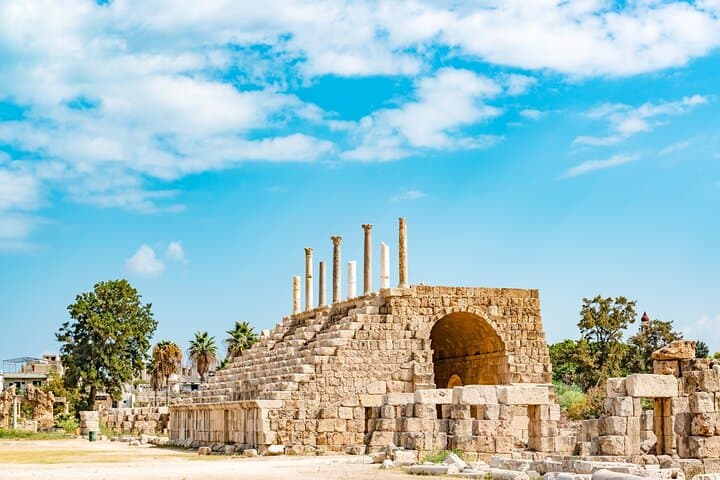
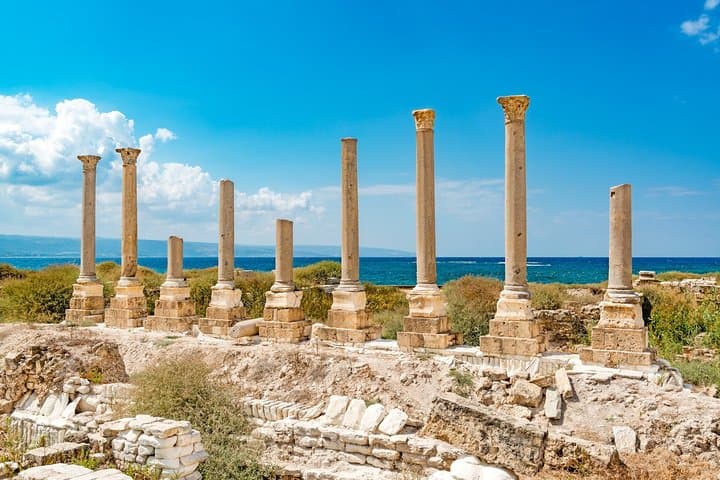
The route threads centuries: Sidon’s khans and soap workshops reflect Ottoman and Mamluk commerce; Maghdouche’s shrine is a modern pilgrimage anchored to a rock shelter; Tyre unfolds Phoenician colonnades, Roman hippodrome slabs, and a coastline that once shipped purple dye across antiquity. Geology here is coastal limestone and reclaimed sand spits where ancient harbors still show their submerged bones.
Culture is tactile — bargaining in the souk, a soapmaker’s olive-oil scent, fishermen hauling nets at dawn. Local guides sketch layered histories with plain language and point out inscriptions, sarcophagi, and seawalls that speak to millennia of trade and conquest.
Practicalities: the tour is an eight-hour, small-group day trip with hotel pickup in Beirut, entrance fees and lunch included. Expect short walks on uneven stone, steps in museums and open-air ruins, and sun exposure on seaside sites. Bring comfortable walking shoes, sun protection, a refillable water bottle and a light rain shell in shoulder seasons. Mornings are cooler and best for photography; afternoons warm quickly. Allow extra time at the Tyre archaeological zones if you want to linger — these ruins repay slow attention.
easy.
8 hours.
Suitable for people who can walk short distances and climb stairs; no special fitness required
The tour departs from Beirut with hotel pickup and returns to central Beirut—pickup location will be confirmed at booking.
Yes; the tour description includes entrance fees to listed sites and a provided lunch.
The tour is described as suitable for all fitness levels, but sites have uneven surfaces and steps; travelers with limited mobility should check accessibility for specific attractions.
Local guides typically speak English and Arabic; check with the operator for other language availability at booking.
Tyre and Sidon are ancient Phoenician ports tied to maritime trade and the famed purple dye industry; many visible ruins span Phoenician, Roman and Crusader eras.
These coastal archaeological sites are sensitive to erosion and visitor pressure — stick to marked paths, avoid climbing fragile stones, and minimize plastic waste.
Lebanon Tours operates guided outdoor trips and adventures with an emphasis on safety, stewardship, and memorable experiences.
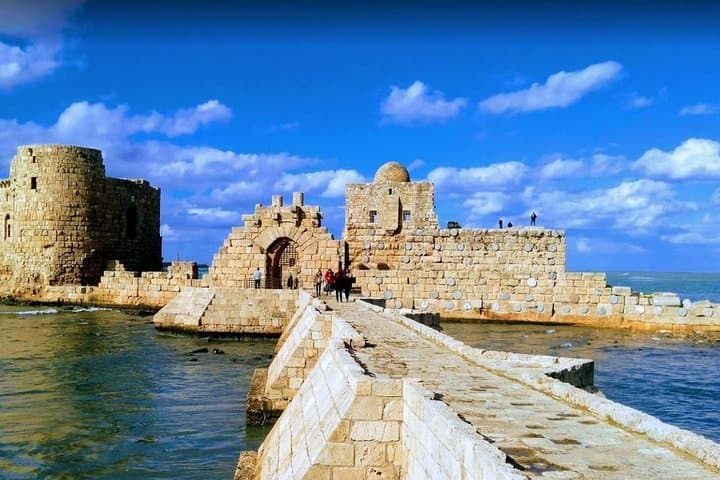
You step into the bus in Beirut as the city thins into coastal road and salt air presses against the window — the Mediterranean daring you toward ruins and seaside souks. In Sidon, the low-lying Sea Castle rises from shallow waves, its stone causeway forcing a conversation between Crusader fortification and enduring Levantine harbor life.
You step into the bus in Beirut as the city thins into coastal road and salt air presses against the window — the Mediterranean daring you toward ruins and seaside souks. In Sidon, the low-lying Sea Castle rises from shallow waves, its stone causeway forcing a conversation between Crusader fortification and enduring Levantine harbor life.
The route threads centuries: Sidon’s khans and soap workshops reflect Ottoman and Mamluk commerce; Maghdouche’s shrine is a modern pilgrimage anchored to a rock shelter; Tyre unfolds Phoenician colonnades, Roman hippodrome slabs, and a coastline that once shipped purple dye across antiquity. Geology here is coastal limestone and reclaimed sand spits where ancient harbors still show their submerged bones.
Culture is tactile — bargaining in the souk, a soapmaker’s olive-oil scent, fishermen hauling nets at dawn. Local guides sketch layered histories with plain language and point out inscriptions, sarcophagi, and seawalls that speak to millennia of trade and conquest.
Practicalities: the tour is an eight-hour, small-group day trip with hotel pickup in Beirut, entrance fees and lunch included. Expect short walks on uneven stone, steps in museums and open-air ruins, and sun exposure on seaside sites. Bring comfortable walking shoes, sun protection, a refillable water bottle and a light rain shell in shoulder seasons. Mornings are cooler and best for photography; afternoons warm quickly. Allow extra time at the Tyre archaeological zones if you want to linger — these ruins repay slow attention.