THE ADVENTURE COLLECTIVE® · Independent discovery and booking for outdoor travel

Spend a day tracing Phoenician and Roman history along Lebanon’s southern coast. This small-group tour from Beirut visits Sidon’s Sea Castle, Tyre’s Roman hippodrome and the hilltop shrine at Maghdouche with guided stops and museum entry.
Spend a day tracing Phoenician and Roman history along Lebanon’s southern coast. This small-group tour from Beirut visits Sidon’s Sea Castle, Tyre’s Roman hippodrome and the hilltop shrine at Maghdouche with guided stops and museum entry.
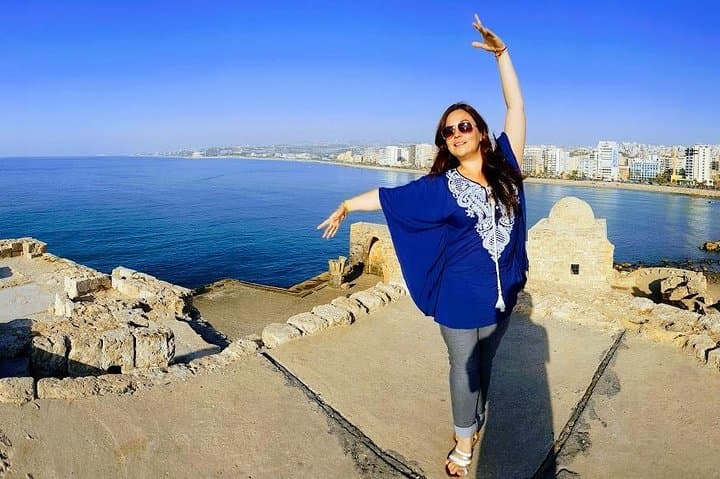
The minivan eases out of Beirut at first light and the Mediterranean unfurls to the left: low cliffs, fishing boats, and a coastline that has seen empires come and go. Within an hour the stone silhouette of Sidon’s Sea Castle rises from the water, a Crusader keep clinging to a rocky islet while gulls wheel above the harbor.
Verified experiences and guided adventures in the surrounding area.
Operated by Beirut Airport Transfer · Sidon, South Governorate
The minivan eases out of Beirut at first light and the Mediterranean unfurls to the left: low cliffs, fishing boats, and a coastline that has seen empires come and go. Within an hour the stone silhouette of Sidon’s Sea Castle rises from the water, a Crusader keep clinging to a rocky islet while gulls wheel above the harbor.
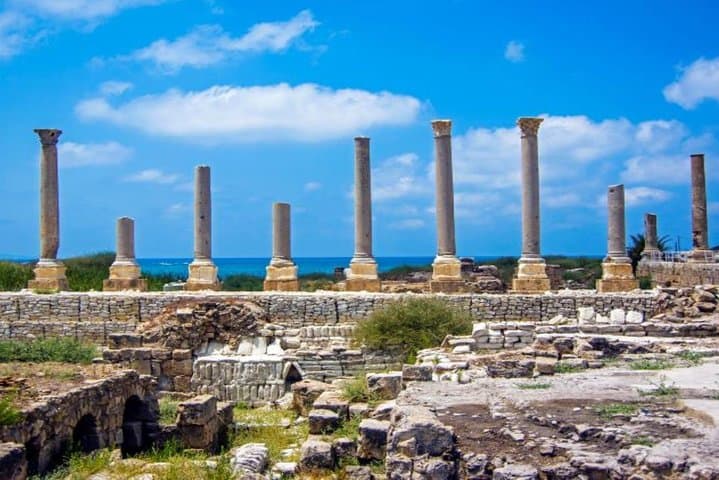
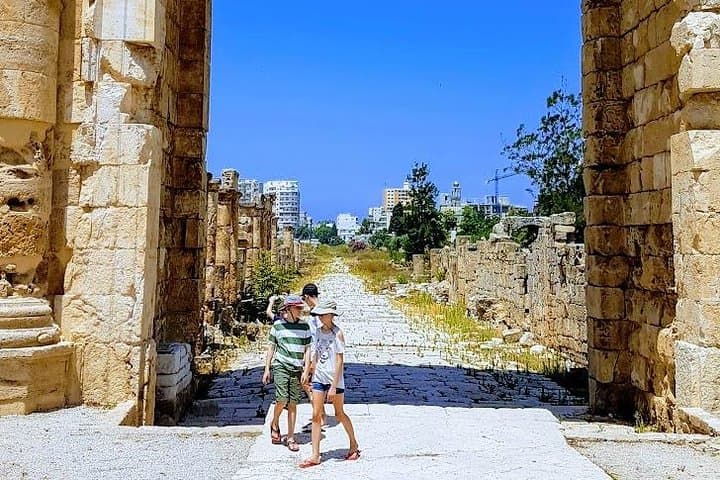
This one-day route threads together three distinct layers of Lebanon’s past. Sidon (Saida) began as a Phoenician urban center in the 3rd millennium BC, later giving way to Hellenistic and Crusader rebuilds — its old souk and soap-maker’s houses recall centuries of coastal trade. Geologically the coast is mostly limestone and marl; Roman engineers used local stone to build Tyre’s monumental hippodrome and colonnaded streets. Maghdouche’s Our Lady of Mantara sits on a hill that has served as both lookout and place of pilgrimage for generations, offering wide views over the olive-studded shore.
Expect short, manageable walks on cobbled alleys and low-friction archaeological stone. The schedule bundles two hours in Sidon with a guided visit to the Sea Castle, a soap museum stop, then two hours in Tyre to see the Roman hippodrome and the harbor, finishing with the hilltop shrine at Maghdouche.
Practical notes: bring sun protection and comfortable walking shoes — cobbles and exposed ruins mean uneven footing. Carry local currency for lunch and small purchases; museums are included but restaurant meals are not. The pace is relaxed but timed, so be ready to board promptly. Respect religious sites (modest dress) and avoid climbing on fragile ruins — the coast is beautiful and historically fragile.
easy.
8 hours.
Light fitness; suitable for travelers comfortable with short, guided walks and stairs
The tour is approximately 8 hours and departs from hotels or residences in Beirut between 8:00–8:30 AM with return around 5:00 PM.
Yes — admission to Sidon Sea Castle, the Soap Museum, and the Tyre Hippodrome is included in the tour price.
The tour is labeled easy and suitable for most fitness levels, but some sites have steps and uneven terrain that may be challenging for visitors with limited mobility.
Lunch is optional and not included — there’s a seaside lunch stop in Tyre where you can buy fresh seafood or mezze at your own expense.
Sidon and Tyre are among the oldest continuously inhabited Phoenician cities, later reshaped by Roman and Crusader eras; Tyre’s Roman hippodrome is one of the largest known.
These coastal archaeological sites face pressure from erosion, development and visitor wear — follow marked paths, avoid touching mosaics or climbing ruins, and support local guides who help protect fragile sites.
Beirut Airport Transfer operates guided outdoor trips and adventures with an emphasis on safety, stewardship, and memorable experiences.
The minivan eases out of Beirut at first light and the Mediterranean unfurls to the left: low cliffs, fishing boats, and a coastline that has seen empires come and go. Within an hour the stone silhouette of Sidon’s Sea Castle rises from the water, a Crusader keep clinging to a rocky islet while gulls wheel above the harbor.
The minivan eases out of Beirut at first light and the Mediterranean unfurls to the left: low cliffs, fishing boats, and a coastline that has seen empires come and go. Within an hour the stone silhouette of Sidon’s Sea Castle rises from the water, a Crusader keep clinging to a rocky islet while gulls wheel above the harbor.
This one-day route threads together three distinct layers of Lebanon’s past. Sidon (Saida) began as a Phoenician urban center in the 3rd millennium BC, later giving way to Hellenistic and Crusader rebuilds — its old souk and soap-maker’s houses recall centuries of coastal trade. Geologically the coast is mostly limestone and marl; Roman engineers used local stone to build Tyre’s monumental hippodrome and colonnaded streets. Maghdouche’s Our Lady of Mantara sits on a hill that has served as both lookout and place of pilgrimage for generations, offering wide views over the olive-studded shore.
Expect short, manageable walks on cobbled alleys and low-friction archaeological stone. The schedule bundles two hours in Sidon with a guided visit to the Sea Castle, a soap museum stop, then two hours in Tyre to see the Roman hippodrome and the harbor, finishing with the hilltop shrine at Maghdouche.
Practical notes: bring sun protection and comfortable walking shoes — cobbles and exposed ruins mean uneven footing. Carry local currency for lunch and small purchases; museums are included but restaurant meals are not. The pace is relaxed but timed, so be ready to board promptly. Respect religious sites (modest dress) and avoid climbing on fragile ruins — the coast is beautiful and historically fragile.