THE ADVENTURE COLLECTIVE® · Independent discovery and booking for outdoor travel

Walk quiet paths between emerald rice terraces, meet farmers, and watch Mount Agung rise above the fields. This two‑hour Sidemen trek blends easy terrain with cultural stops and striking views.
Walk quiet paths between emerald rice terraces, meet farmers, and watch Mount Agung rise above the fields. This two‑hour Sidemen trek blends easy terrain with cultural stops and striking views.
You step off a bright yellow bridge and the air changes—rice leaves whisper, river water dares you to pause, and Mount Agung pins the horizon with volcanic authority. Narrow footpaths thread through terraces that slope like hand-cut stairs, farmers moving with practiced rhythm; a temple bell punctuates the walk and village dogs mark your passage.
Verified experiences and guided adventures in the surrounding area.
Operated by Celuk Bali Silver Class · Sidemen, Bali
You step off a bright yellow bridge and the air changes—rice leaves whisper, river water dares you to pause, and Mount Agung pins the horizon with volcanic authority. Narrow footpaths thread through terraces that slope like hand-cut stairs, farmers moving with practiced rhythm; a temple bell punctuates the walk and village dogs mark your passage.
The landscape here is shaped by eruptions and human hands: fertile volcanic soils from Mount Agung feed Bali’s iconic terraced subak system, a cooperative irrigation tradition centuries old. Small temples such as Pura Dalem Desa Adat Dukuh Sakti sit at field edges, anchoring community rituals to planting cycles. Geology and culture are inseparable—every contour in Sidemen tells of lava, water, and ritual farming.
On the two-hour trek expect mostly gentle, undulating trails that cross stream fords, narrow dirt lanes and stone steps; little elevation gain but uneven footing. Interactions with local farmers are common—ask before photographing and follow polite village etiquette. Practical preparation matters: sturdy shoes, long pants, sun protection and at least one liter of water keep you moving comfortably.
Plan an early morning start for cooler temperatures and clearer views of Mount Agung; afternoons can cloud or bring brief tropical showers. The route begins and ends near the Yellow Bridge at Tukad Yeh Unda and passes Selisian View—ideal stops for photography and brief rests. Respect temple boundaries, pack out trash, and move quietly through cultivated fields to protect crops and local life. Sidemen rewards slow attention: the landscape is alive, demanding both curiosity and care.
easy.
2 hours.
Suitable for most fitness levels; expect 2 hours of walking on uneven surfaces and short stone steps.
The advertised walk is about 2 hours round-trip along cultivated ridges and village lanes with multiple short stops for views and temples.
Most itineraries begin and end at the Yellow Bridge (Tukad Yeh Unda) near Sidemen village, making logistics straightforward for pickups.
Yes—terrain is generally easy, but uneven footing and steps mean children and older walkers should move at a steady pace and use proper footwear.
Yes—wear long pants at temple stops, ask permission before photographing people, and avoid walking through planted paddies to respect local livelihoods.
Sidemen’s terraces are part of Bali’s traditional subak irrigation system, a community-managed method tied to Hindu rituals and local temples.
Stick to paths and carry out trash; limiting single-use plastics and staying on trails helps protect crops and water sources that local communities rely on.
Celuk Bali Silver Class operates guided outdoor trips and adventures with an emphasis on safety, stewardship, and memorable experiences.
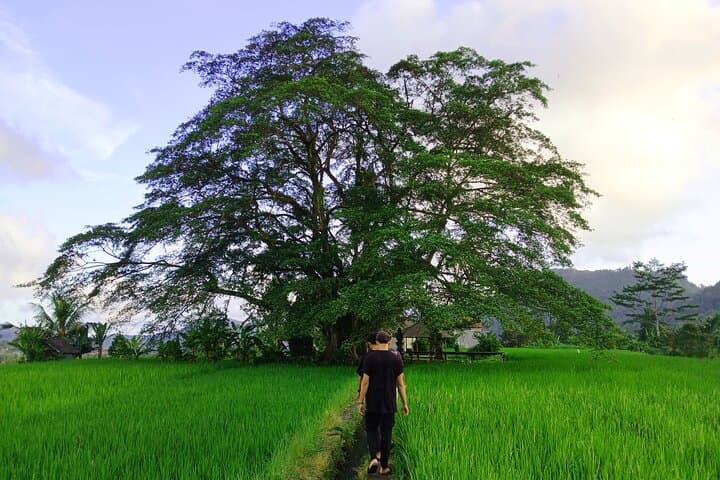
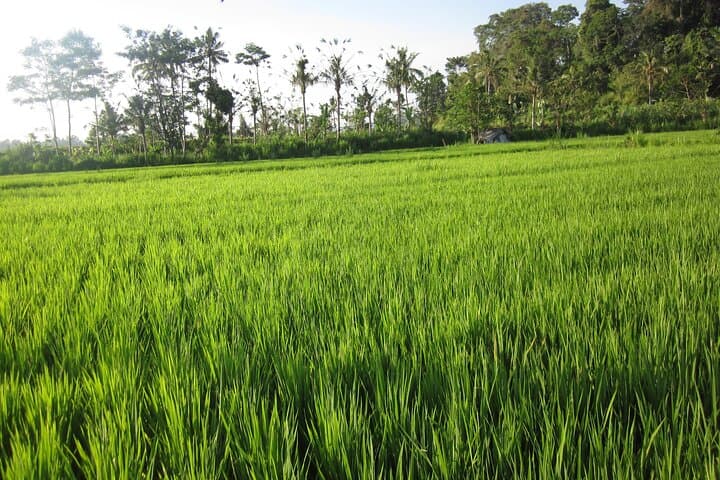
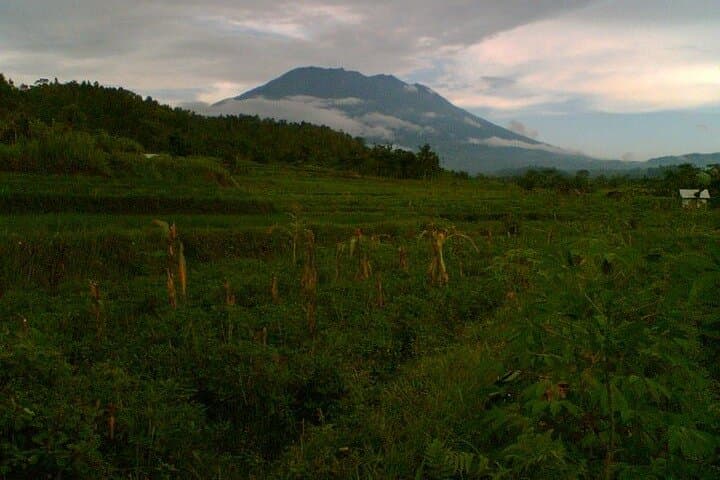
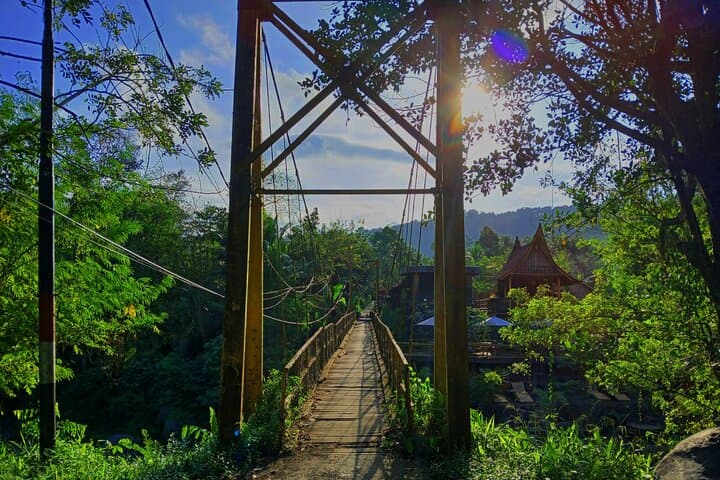
You step off a bright yellow bridge and the air changes—rice leaves whisper, river water dares you to pause, and Mount Agung pins the horizon with volcanic authority. Narrow footpaths thread through terraces that slope like hand-cut stairs, farmers moving with practiced rhythm; a temple bell punctuates the walk and village dogs mark your passage.
You step off a bright yellow bridge and the air changes—rice leaves whisper, river water dares you to pause, and Mount Agung pins the horizon with volcanic authority. Narrow footpaths thread through terraces that slope like hand-cut stairs, farmers moving with practiced rhythm; a temple bell punctuates the walk and village dogs mark your passage.
The landscape here is shaped by eruptions and human hands: fertile volcanic soils from Mount Agung feed Bali’s iconic terraced subak system, a cooperative irrigation tradition centuries old. Small temples such as Pura Dalem Desa Adat Dukuh Sakti sit at field edges, anchoring community rituals to planting cycles. Geology and culture are inseparable—every contour in Sidemen tells of lava, water, and ritual farming.
On the two-hour trek expect mostly gentle, undulating trails that cross stream fords, narrow dirt lanes and stone steps; little elevation gain but uneven footing. Interactions with local farmers are common—ask before photographing and follow polite village etiquette. Practical preparation matters: sturdy shoes, long pants, sun protection and at least one liter of water keep you moving comfortably.
Plan an early morning start for cooler temperatures and clearer views of Mount Agung; afternoons can cloud or bring brief tropical showers. The route begins and ends near the Yellow Bridge at Tukad Yeh Unda and passes Selisian View—ideal stops for photography and brief rests. Respect temple boundaries, pack out trash, and move quietly through cultivated fields to protect crops and local life. Sidemen rewards slow attention: the landscape is alive, demanding both curiosity and care.