THE ADVENTURE COLLECTIVE® · Independent discovery and booking for outdoor travel

Catch a short, scenic ride on a wooden swing set between coconut trees above Sidemen’s rice terraces, with Mount Agung framing the horizon. This easy, photogenic stop pairs cultural touches with raw valley views—ideal for a half-day outing from Sidemen or nearby towns.
Catch a short, scenic ride on a wooden swing set between coconut trees above Sidemen’s rice terraces, with Mount Agung framing the horizon. This easy, photogenic stop pairs cultural touches with raw valley views—ideal for a half-day outing from Sidemen or nearby towns.
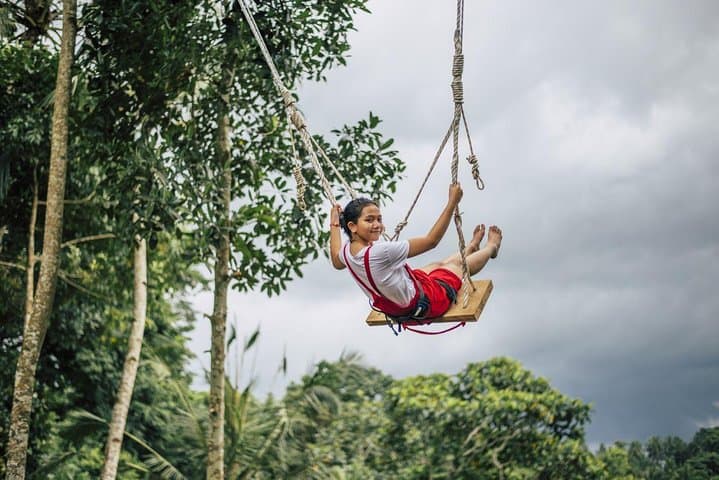
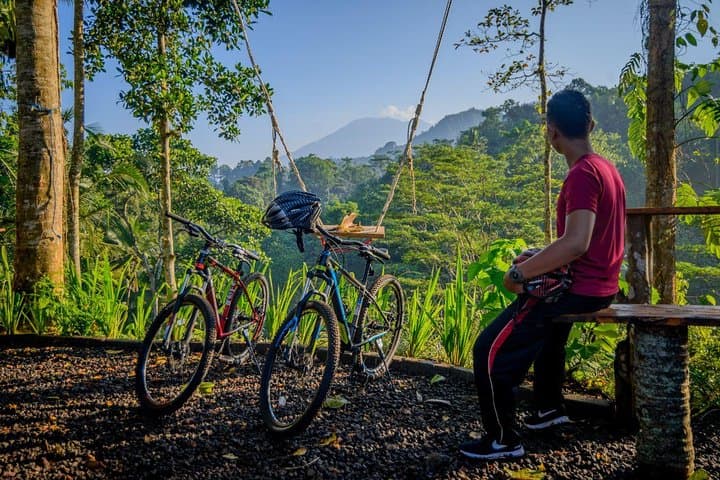
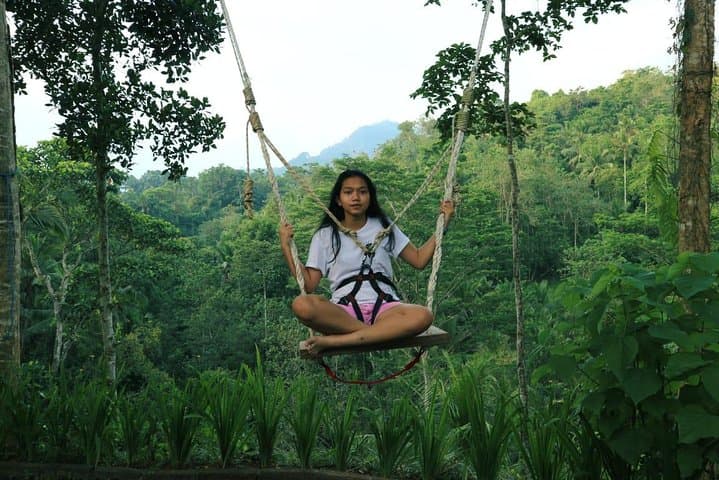
You push off a simple wooden seat and the valley opens beneath you: stepped rice paddies tilt like green shelves, a slow river threads the lowlands, and Mount Agung looms, a distant, restless presence. The swing at Sidemen hangs between tall coconut trunks on a grassy knoll; the motion is small but the views amplify every breath.
Verified experiences and guided adventures in the surrounding area.
Operated by Sidemen Adventures · Sidemen, Bali
You push off a simple wooden seat and the valley opens beneath you: stepped rice paddies tilt like green shelves, a slow river threads the lowlands, and Mount Agung looms, a distant, restless presence. The swing at Sidemen hangs between tall coconut trunks on a grassy knoll; the motion is small but the views amplify every breath.
Sidemen sits on Bali’s eastern flank, an agricultural zone shaped by volcanic soils and traditional subak irrigation. The rice terraces here are recent generations’ work stacked onto older lava-flows, and the local hamlets maintain craft and textile traditions that date back centuries. The geology—fertile ash over hardened lava—feeds the region’s palette of greens and supports coconut groves that make the swing possible.
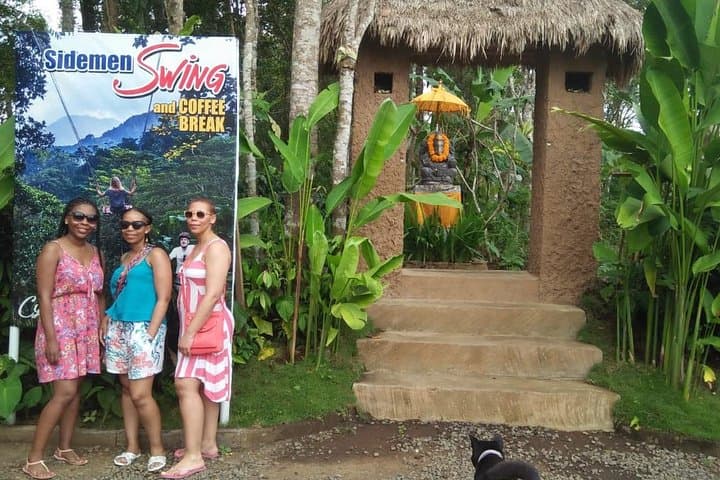
The experience is brief and cinematic: a guided approach along paths and terraces, a secured swing photo, and time to take in the vista. Expect local hospitality—tea, coconut refreshment, and often a short cultural demonstration or chance to visit a weaving stall.
Practical guidance: arrive in the dry season mid-morning for clear air and softer light; wear shoes that handle muddy terrace paths and bring cash for photos or snacks. Motion on the swing can jar the back—avoid if you have spine concerns. The site is family-friendly but spaces on peak days can feel crowded; plan for a short visit within a broader Sidemen or Karangasem day trip.
This is an accessible, low-effort outdoors stop that rewards simple gear and a readiness to step into a postcard view while supporting small, local operations.
easy.
2–3 hours.
Minimal fitness required; able-bodied walkers who can handle short, uneven paths
Plan 1–3 hours depending on transfer time and how much you explore terraces or nearby craft stalls.
Operators typically secure children but require adult supervision; infants should sit on laps and very young kids may be discouraged from swinging high.
Yes—many local operators include air-conditioned transfers; expect 60–90 minutes from central Ubud depending on traffic.
Basic facilities and snack options are often available, and many visits include bottled water, coffee or tea, and a light lunch as part of the package.
Sidemen’s terraces grew alongside Bali’s subak irrigation culture; the valley’s villages have long balanced rice cultivation with craft production and ritual life.
Respect planted rice fields and stay on paths—tourism revenue supports many households, so low-impact behavior helps preserve both views and livelihoods.
Sidemen Adventures operates guided outdoor trips and adventures with an emphasis on safety, stewardship, and memorable experiences.
You push off a simple wooden seat and the valley opens beneath you: stepped rice paddies tilt like green shelves, a slow river threads the lowlands, and Mount Agung looms, a distant, restless presence. The swing at Sidemen hangs between tall coconut trunks on a grassy knoll; the motion is small but the views amplify every breath.
You push off a simple wooden seat and the valley opens beneath you: stepped rice paddies tilt like green shelves, a slow river threads the lowlands, and Mount Agung looms, a distant, restless presence. The swing at Sidemen hangs between tall coconut trunks on a grassy knoll; the motion is small but the views amplify every breath.
Sidemen sits on Bali’s eastern flank, an agricultural zone shaped by volcanic soils and traditional subak irrigation. The rice terraces here are recent generations’ work stacked onto older lava-flows, and the local hamlets maintain craft and textile traditions that date back centuries. The geology—fertile ash over hardened lava—feeds the region’s palette of greens and supports coconut groves that make the swing possible.
The experience is brief and cinematic: a guided approach along paths and terraces, a secured swing photo, and time to take in the vista. Expect local hospitality—tea, coconut refreshment, and often a short cultural demonstration or chance to visit a weaving stall.
Practical guidance: arrive in the dry season mid-morning for clear air and softer light; wear shoes that handle muddy terrace paths and bring cash for photos or snacks. Motion on the swing can jar the back—avoid if you have spine concerns. The site is family-friendly but spaces on peak days can feel crowded; plan for a short visit within a broader Sidemen or Karangasem day trip.
This is an accessible, low-effort outdoors stop that rewards simple gear and a readiness to step into a postcard view while supporting small, local operations.