THE ADVENTURE COLLECTIVE® · Independent discovery and booking for outdoor travel

Ride in a vintage sidecar through Paso Robles wine country, stopping at three premier wineries for guided tastings and vineyard views. This four-hour Luxe Wine Trail pairs motion with terroir education and a signature tasting at Cass Winery.
Ride in a vintage sidecar through Paso Robles wine country, stopping at three premier wineries for guided tastings and vineyard views. This four-hour Luxe Wine Trail pairs motion with terroir education and a signature tasting at Cass Winery.
You ease into the leather seat of a vintage sidecar as the valley opens up — rolling vineyards, scrub oaks, and the warm wind that seems to push you forward. The engine hums; vines lean in like curious onlookers. Over four hours you’ll visit three distinct wineries, each offering curated pours and a brief look at the craft behind Paso Robles’ rising reputation.
Verified experiences and guided adventures in the surrounding area.
Operated by Third Wheel Tours · Paso Robles, California
You ease into the leather seat of a vintage sidecar as the valley opens up — rolling vineyards, scrub oaks, and the warm wind that seems to push you forward. The engine hums; vines lean in like curious onlookers. Over four hours you’ll visit three distinct wineries, each offering curated pours and a brief look at the craft behind Paso Robles’ rising reputation.
Paso Robles sits on a collage of ancient soils and shifting fault lines. Limestone and calcareous clay combined with warm days and cool nights produce wines with firm structure — a fact guides point out between tastings. The town grew from a saloon-and-stagecoach outpost to a center of viticulture after the 1970s boutique-winery boom; today family estates sit beside experimental urban producers in Tin City.
Culturally, the area blends ranching roots with a food-and-wine scene: casual tasting rooms, wood-fired kitchens, and seasonal farmers’ markets. Geology shows in vineyard rows that contour hillsides and in views toward the Paso Robles foothills.
Practicalities are straightforward. Arrive 10 minutes early for check-in and a safety briefing. Bring government ID for tastings, pace yourself between pours, and sip water between flights. Closed-toe shoes and a light jacket handle dusty roads and breezy vineyard overlooks. Cameras are welcome — guides often stop for photos at Cass Winery’s estate views.
This is an accessible, sensory-forward way to experience Paso Robles: equal parts motion, terroir talk, and tasting, with safety and comfort kept front and center.
easy.
4 hours.
Suitable for most fitness levels; requires ability to mount a low step into a sidecar and stand during brief winery stops.
Yes — the tour includes private transportation in the sidecar experience; meet at the designated parking area for check-in.
Wineries vary; notify the operator when booking about dietary needs and they will coordinate with tasting rooms when possible.
This tour is not recommended for pregnant travelers due to alcohol tastings and the physical dynamics of riding in a sidecar.
Full refunds are available if you cancel at least 24 hours before the scheduled departure; within 24 hours bookings are nonrefundable.
Paso Robles’ modern wine industry expanded rapidly after the 1970s as winemakers recognized the region’s limestone-rich soils and diurnal temperature swings that favor structured wines.
Water management is a local focus; many vineyards use dry farming, cover crops, and drip irrigation to reduce water use and protect soil health.
Third Wheel Tours operates guided outdoor trips and adventures with an emphasis on safety, stewardship, and memorable experiences.
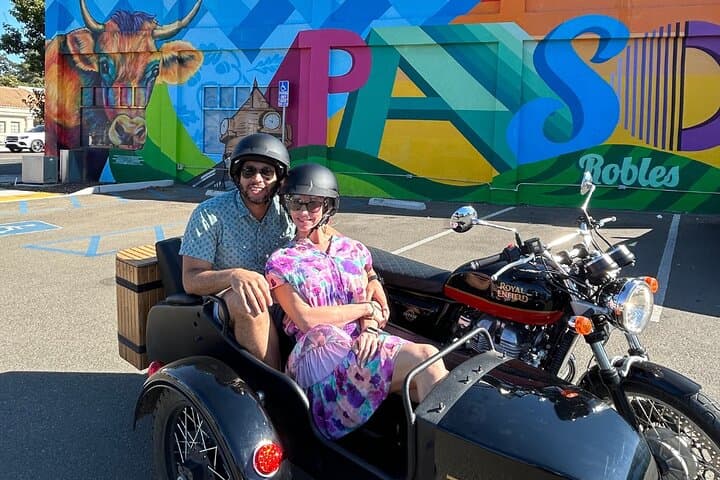

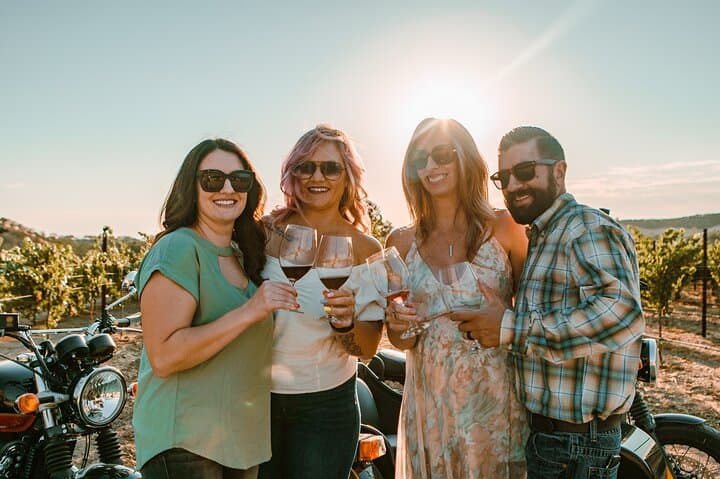
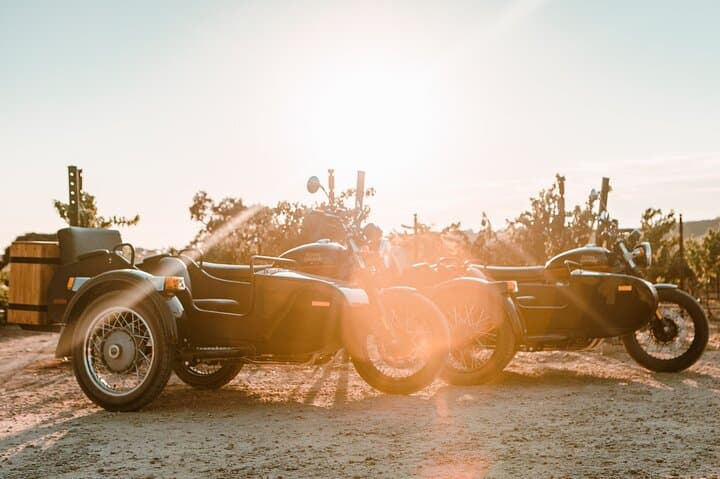
You ease into the leather seat of a vintage sidecar as the valley opens up — rolling vineyards, scrub oaks, and the warm wind that seems to push you forward. The engine hums; vines lean in like curious onlookers. Over four hours you’ll visit three distinct wineries, each offering curated pours and a brief look at the craft behind Paso Robles’ rising reputation.
You ease into the leather seat of a vintage sidecar as the valley opens up — rolling vineyards, scrub oaks, and the warm wind that seems to push you forward. The engine hums; vines lean in like curious onlookers. Over four hours you’ll visit three distinct wineries, each offering curated pours and a brief look at the craft behind Paso Robles’ rising reputation.
Paso Robles sits on a collage of ancient soils and shifting fault lines. Limestone and calcareous clay combined with warm days and cool nights produce wines with firm structure — a fact guides point out between tastings. The town grew from a saloon-and-stagecoach outpost to a center of viticulture after the 1970s boutique-winery boom; today family estates sit beside experimental urban producers in Tin City.
Culturally, the area blends ranching roots with a food-and-wine scene: casual tasting rooms, wood-fired kitchens, and seasonal farmers’ markets. Geology shows in vineyard rows that contour hillsides and in views toward the Paso Robles foothills.
Practicalities are straightforward. Arrive 10 minutes early for check-in and a safety briefing. Bring government ID for tastings, pace yourself between pours, and sip water between flights. Closed-toe shoes and a light jacket handle dusty roads and breezy vineyard overlooks. Cameras are welcome — guides often stop for photos at Cass Winery’s estate views.
This is an accessible, sensory-forward way to experience Paso Robles: equal parts motion, terroir talk, and tasting, with safety and comfort kept front and center.