THE ADVENTURE COLLECTIVE® · Independent discovery and booking for outdoor travel

Ride a vintage sidecar between Amsterdam and Utrecht to sample riverside estates, forest lanes and the Loosdrecht lakes. This three-hour tour pairs local history with hands-on motorbike charm and regular photo stops.
Ride a vintage sidecar between Amsterdam and Utrecht to sample riverside estates, forest lanes and the Loosdrecht lakes. This three-hour tour pairs local history with hands-on motorbike charm and regular photo stops.
The wind lifts from the polder as a vintage sidecar rumbles away from the city, the canal light slivering across glassy lakes. You sit low beside the driver, helmets snug, while farmland, windmills and tidy tree lines slide past — a compact portrait of central Holland carved by water and hands.
Verified experiences and guided adventures in the surrounding area.
Operated by Holland Sidecar Tour · Utrecht, Utrecht
The wind lifts from the polder as a vintage sidecar rumbles away from the city, the canal light slivering across glassy lakes. You sit low beside the driver, helmets snug, while farmland, windmills and tidy tree lines slide past — a compact portrait of central Holland carved by water and hands.
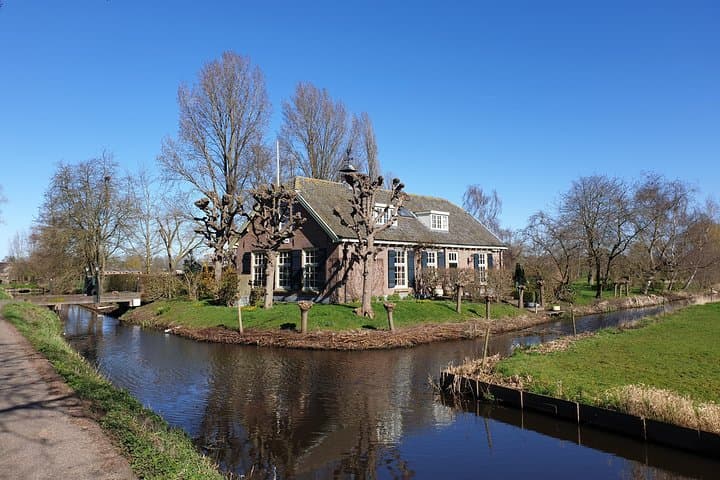
This three-hour route threads the Vecht estates where 17th-century merchants built riverside country houses, loops past Soestdijk palace and skirts the Loosdrechtse Plassen, a patchwork of lakes shaped by peat extraction and centuries of Dutch water management. Geology here is recent — reclaimed lowlands, polders and peat bogs under a thin glacial veneer — which makes the straight drainage ditches and raised dikes obvious players in the landscape.
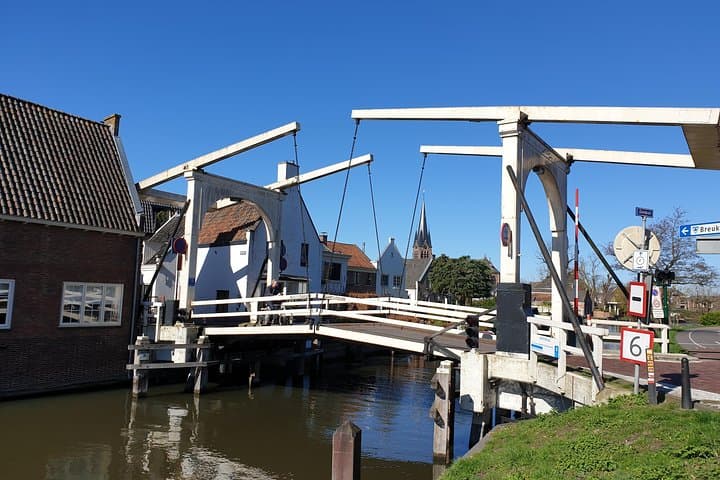
Culturally the route mixes aristocratic villas, humble farmhouses, and small villages with 19th-century churches; local cuisine touches on Dutch pancakes and farmhouse cheeses. Your guide often narrates history between corners, and the sidecar itself gives the trip a kinetic intimacy: you feel the road and the wind differently than in a minibus.
Practical guidance: wear a windproof layer and closed-toe shoes; helmets are supplied and required. Expect frequent short stops for photos and brief walks — some surfaces are paved, some gravel. The trip is suitable for most fitness levels but not recommended for people with spinal issues or pregnancy. In wet weather the operator may substitute a minivan. Timed mid-morning or late afternoon gives softer light and less traffic on rural lanes.
This is a fast, sensory way to sample the central Dutch countryside — history and hydraulics on two wheels with room for laughter and local stories.
easy.
2–4 hours.
Minimal fitness required; passengers should be able to mount and dismount a sidecar and tolerate short walks.
Yes, helmets are provided and required for both the sidecar and the bike passenger.
Children of at least 12 years can ride; one adult must be responsible for any non-adult participant.
In case of rain the operator may use a minivan instead; cancellation for full refund is possible if you cancel at least 24 hours prior.
The guide welcomes tailor-made ideas; discuss preferences when booking or before the tour starts.
The Vecht corridor surfaced as a 17th-century leisure strand where Amsterdam merchants built country estates, while Soestdijk served as a royal residence from the 17th century onward.
These lowland ecosystems rely on active water management and conservation of reed beds; stick to paths and avoid trampling sensitive shoreline vegetation.
Holland Sidecar Tour operates guided outdoor trips and adventures with an emphasis on safety, stewardship, and memorable experiences.
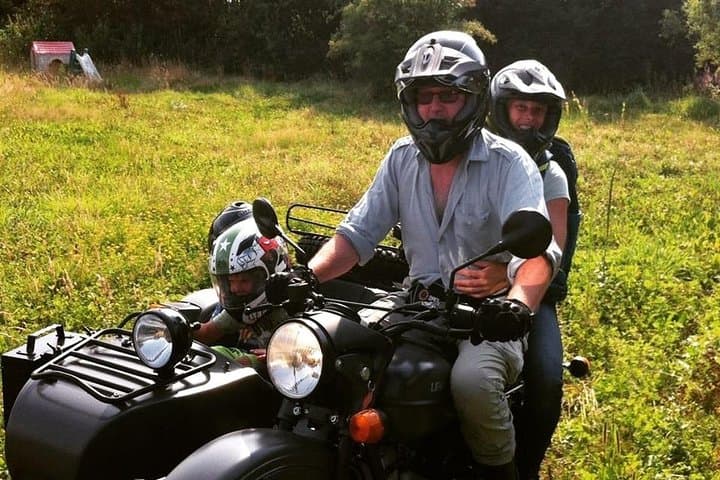
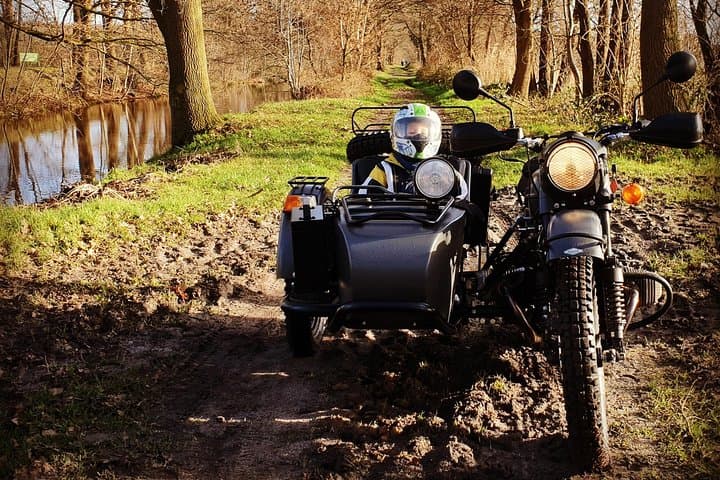
The wind lifts from the polder as a vintage sidecar rumbles away from the city, the canal light slivering across glassy lakes. You sit low beside the driver, helmets snug, while farmland, windmills and tidy tree lines slide past — a compact portrait of central Holland carved by water and hands.
The wind lifts from the polder as a vintage sidecar rumbles away from the city, the canal light slivering across glassy lakes. You sit low beside the driver, helmets snug, while farmland, windmills and tidy tree lines slide past — a compact portrait of central Holland carved by water and hands.
This three-hour route threads the Vecht estates where 17th-century merchants built riverside country houses, loops past Soestdijk palace and skirts the Loosdrechtse Plassen, a patchwork of lakes shaped by peat extraction and centuries of Dutch water management. Geology here is recent — reclaimed lowlands, polders and peat bogs under a thin glacial veneer — which makes the straight drainage ditches and raised dikes obvious players in the landscape.
Culturally the route mixes aristocratic villas, humble farmhouses, and small villages with 19th-century churches; local cuisine touches on Dutch pancakes and farmhouse cheeses. Your guide often narrates history between corners, and the sidecar itself gives the trip a kinetic intimacy: you feel the road and the wind differently than in a minibus.
Practical guidance: wear a windproof layer and closed-toe shoes; helmets are supplied and required. Expect frequent short stops for photos and brief walks — some surfaces are paved, some gravel. The trip is suitable for most fitness levels but not recommended for people with spinal issues or pregnancy. In wet weather the operator may substitute a minivan. Timed mid-morning or late afternoon gives softer light and less traffic on rural lanes.
This is a fast, sensory way to sample the central Dutch countryside — history and hydraulics on two wheels with room for laughter and local stories.