THE ADVENTURE COLLECTIVE® · Independent discovery and booking for outdoor travel

Spend a day moving between eras: ancient Side and Aspendos, a forested waterfall, riverside mezes, and tastings at a century-old Turkish delight maker. This full-day tour pairs archaeology with nature and local craft for a compact introduction to Turkey’s southern coast.
Spend a day moving between eras: ancient Side and Aspendos, a forested waterfall, riverside mezes, and tastings at a century-old Turkish delight maker. This full-day tour pairs archaeology with nature and local craft for a compact introduction to Turkey’s southern coast.
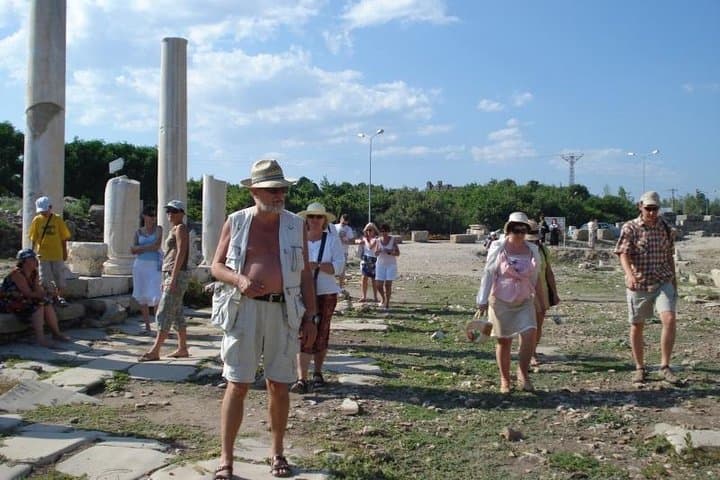
You step off the shuttle into morning light and the stones of Side feel cool underfoot — not silent, but patient. Guides move through archways and alleys like translators between eras: Hellenistic port, Roman theater, Byzantine village. The tour threads through that history and then lets the landscape take over, from the carved rows of Aspendos’s theater to a forested hollow where Kurşunlu Waterfall insists you slow down.
Verified experiences and guided adventures in the surrounding area.
Operated by Side, Aspendos & Waterfall Tour from Alanya · Side, Antalya Province
You step off the shuttle into morning light and the stones of Side feel cool underfoot — not silent, but patient. Guides move through archways and alleys like translators between eras: Hellenistic port, Roman theater, Byzantine village. The tour threads through that history and then lets the landscape take over, from the carved rows of Aspendos’s theater to a forested hollow where Kurşunlu Waterfall insists you slow down.
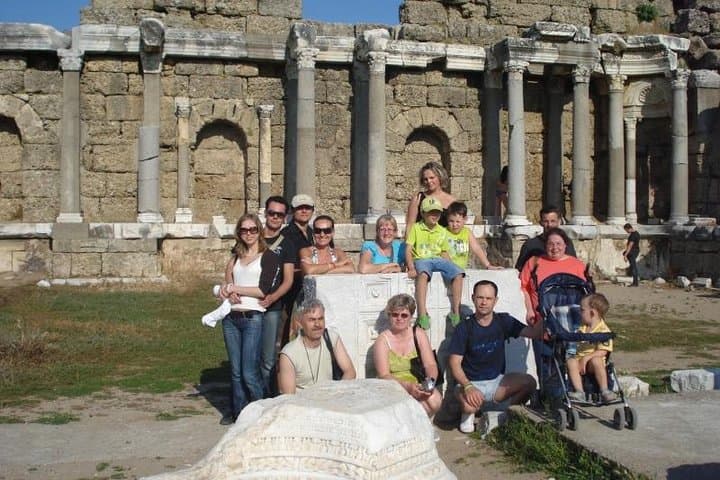
Side began as a Greek colony and later became a bustling Roman port; the Temple of Apollo stands on a headland where sea and city once met in trade and ceremony. A few miles inland, Aspendos delivers architectural clarity: a second-century Roman theater whose tiers were engineered to carry voice and applause across millennia. The limestone and travertine in the region tell a geological story of uplift and erosion — the same rock that frames the waterfall’s ledges and channels the river that dares you to follow its course.
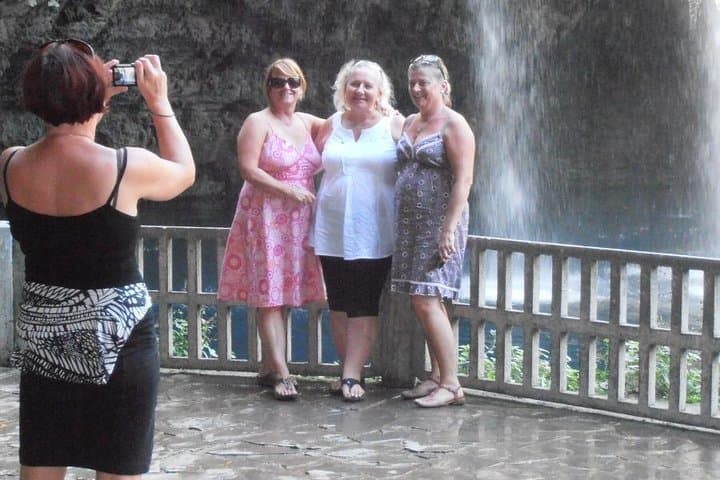
This day tour balances ruins and nature with local flavor. After exploring Side’s ruins and the Apollo promontory, the group heads to Aspendos for a guided walk through the auditorium and stage area — an acoustic marvel used for modern performances as often as ancient rites. Kurşunlu Waterfall arrives like a punctuation: a 50-minute pause among cedar and plane trees, wooden boardwalks, and fish that surface for crumbs. Lunch is riverside and unhurried: ten mezes shared family-style, followed by a main of fish, chicken, or köfte.
Practical details matter. The full-day experience runs roughly 8–9 hours with hotel pickup across Alanya; the tour is wheelchair- and stroller-accessible in many areas but expect uneven ancient stones at archaeological sites. Admission to Kurşunlu is included; Aspendos may have separate fees depending on the season. Guides explain not just architecture but social history — how currency, clergy, and conquest shaped these towns — and conclude with a stop at a century-old Turkish delight maker and a state-certified jewelry center for a snapshot of contemporary local crafts.
Tips for making the most of the day: wear sturdy walking shoes with good grip for cobbles and wet boardwalks, bring sun protection and a refillable water bottle, and carry a small daypack for layers and your camera. Timing matters — if you want softer light and fewer crowds at Side, ask for an early pickup. Respect the ruins: photography is fine, but refrain from climbing on fragile masonry.
Whether you go for architecture, the restorative hiss of falling water, or the taste of fresh lokum, this route stitches ancient roles to present rhythms. It’s a practical, sensory-rich day that rewards curiosity and leaves room for quiet — a reminder that history and landscape still argue, softly, for attention.
easy.
8–9 hours.
Suitable for most fitness levels; expect moderate walking (several short hikes, cobbles, and steps)
Pickup is available across Alanya — provide your hotel name and the operator will confirm a pickup time; allow 10 minutes before departure.
Kurşunlu Waterfall admission is included; Aspendos and some museums may require separate local fees depending on season—your booking page will note specifics.
The tour and transportation offer wheelchair-accessible options, but archaeological sites have uneven terrain; contact the operator ahead to plan accessibility needs.
Guides typically speak English (and often Russian or Turkish); check the booking to confirm other language options.
Lunch includes ten mezes shared at the riverside and a main course choice of fish, chicken, or köfte—vegetarian options can usually be accommodated with advance notice.
Tipping guides and drivers is appreciated; a modest amount (around 5–10% of the tour cost collectively) is typical if service meets expectations.
Side and Aspendos were important coastal centers in antiquity—Side grew as a Greek and Roman port, while Aspendos is famed for its remarkably preserved second-century Roman theater.
Visitors should avoid climbing ruins, stay on designated paths, and limit single-use plastics; support local craftspeople to help sustain traditional livelihoods.
Side, Aspendos & Waterfall Tour from Alanya operates guided outdoor trips and adventures with an emphasis on safety, stewardship, and memorable experiences.
You step off the shuttle into morning light and the stones of Side feel cool underfoot — not silent, but patient. Guides move through archways and alleys like translators between eras: Hellenistic port, Roman theater, Byzantine village. The tour threads through that history and then lets the landscape take over, from the carved rows of Aspendos’s theater to a forested hollow where Kurşunlu Waterfall insists you slow down.
You step off the shuttle into morning light and the stones of Side feel cool underfoot — not silent, but patient. Guides move through archways and alleys like translators between eras: Hellenistic port, Roman theater, Byzantine village. The tour threads through that history and then lets the landscape take over, from the carved rows of Aspendos’s theater to a forested hollow where Kurşunlu Waterfall insists you slow down.
Side began as a Greek colony and later became a bustling Roman port; the Temple of Apollo stands on a headland where sea and city once met in trade and ceremony. A few miles inland, Aspendos delivers architectural clarity: a second-century Roman theater whose tiers were engineered to carry voice and applause across millennia. The limestone and travertine in the region tell a geological story of uplift and erosion — the same rock that frames the waterfall’s ledges and channels the river that dares you to follow its course.
This day tour balances ruins and nature with local flavor. After exploring Side’s ruins and the Apollo promontory, the group heads to Aspendos for a guided walk through the auditorium and stage area — an acoustic marvel used for modern performances as often as ancient rites. Kurşunlu Waterfall arrives like a punctuation: a 50-minute pause among cedar and plane trees, wooden boardwalks, and fish that surface for crumbs. Lunch is riverside and unhurried: ten mezes shared family-style, followed by a main of fish, chicken, or köfte.
Practical details matter. The full-day experience runs roughly 8–9 hours with hotel pickup across Alanya; the tour is wheelchair- and stroller-accessible in many areas but expect uneven ancient stones at archaeological sites. Admission to Kurşunlu is included; Aspendos may have separate fees depending on the season. Guides explain not just architecture but social history — how currency, clergy, and conquest shaped these towns — and conclude with a stop at a century-old Turkish delight maker and a state-certified jewelry center for a snapshot of contemporary local crafts.
Tips for making the most of the day: wear sturdy walking shoes with good grip for cobbles and wet boardwalks, bring sun protection and a refillable water bottle, and carry a small daypack for layers and your camera. Timing matters — if you want softer light and fewer crowds at Side, ask for an early pickup. Respect the ruins: photography is fine, but refrain from climbing on fragile masonry.
Whether you go for architecture, the restorative hiss of falling water, or the taste of fresh lokum, this route stitches ancient roles to present rhythms. It’s a practical, sensory-rich day that rewards curiosity and leaves room for quiet — a reminder that history and landscape still argue, softly, for attention.