THE ADVENTURE COLLECTIVE® · Independent discovery and booking for outdoor travel

Spend 15 days in South Africa’s Eastern Cape taking part in hands-on conservation: elephant and rhino monitoring, dune hikes across the Alexandria Dune Fields, fish tagging on the Kariega River and community outreach in Kenton-on-Sea. This guided program blends fieldwork, guided safaris and coastal conservation education.
Spend 15 days in South Africa’s Eastern Cape taking part in hands-on conservation: elephant and rhino monitoring, dune hikes across the Alexandria Dune Fields, fish tagging on the Kariega River and community outreach in Kenton-on-Sea. This guided program blends fieldwork, guided safaris and coastal conservation education.
A damp morning mist lifts off the Kariega estuary as you step from Intaka Bird Lodge and feel the reserve breath around you — elephants crossing scrub, oxpeckers flitting like punctuation. Over the next 15 days the coastline, dunes and bushveld demand attention: you track rhino, patrol fences, clear alien vegetation and hike the Alexandria Dune Fields where wind-built slopes rise like living sand sculptures.
Verified experiences and guided adventures in the surrounding area.
Operated by Sibuya Wilderness Experience · Kenton-on-Sea, Eastern Cape
A damp morning mist lifts off the Kariega estuary as you step from Intaka Bird Lodge and feel the reserve breath around you — elephants crossing scrub, oxpeckers flitting like punctuation. Over the next 15 days the coastline, dunes and bushveld demand attention: you track rhino, patrol fences, clear alien vegetation and hike the Alexandria Dune Fields where wind-built slopes rise like living sand sculptures.
This itinerary threads natural history with community engagement. Addo Elephant National Park holds one of the densest elephant populations on earth and the greater Woody Cape area preserves a rare coastal mosaic — estuary, thicket and dune systems shaped by Quaternary sea-level changes and persistent onshore winds. Local culture centers on small coastal towns such as Kenton-on-Sea and Port Elizabeth (Gqeberha), whose fishing and conservation networks support the ORI fish-tagging research you’ll join.
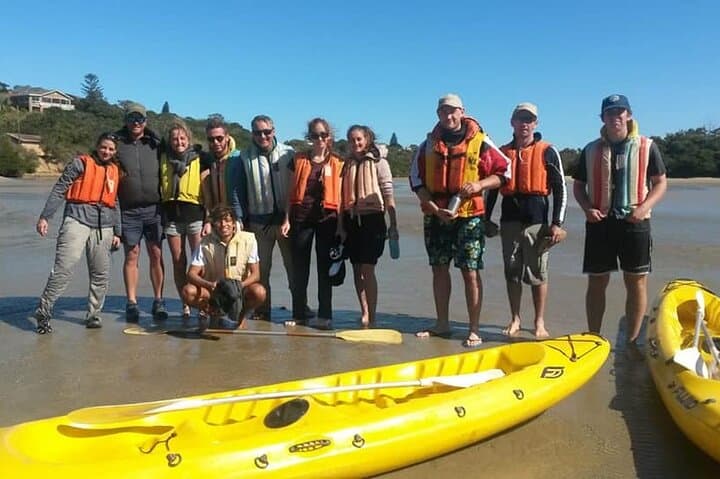
Expect field lectures, hands-on monitoring, boat tagging sessions and two sustained coastal hikes (20 km + 16 km) across wind-scoured dunes. Workdays include fence maintenance and alien plant removal; evenings bring group briefings and community outreach in nearby villages. Practical notes: the terrain alternates sandy, rocky and vegetated tracks; sun and wind are primary elements; wear sturdy boots, bring layered clothing and plan for dusty conditions.
This program is best for travelers with moderate fitness who want active conservation work paired with immersive wildlife encounters. Hydrate deliberately, follow biosecurity rules (boots and gear cleaned between sites) and allow a rest day mid-itinerary to recover before the longer hikes.
moderate.
15 days.
Participants should have a moderate level of fitness: able to hike 10–20 km with a daypack and perform light-to-moderate manual tasks.
Expect moderate physical demand: multiple full-day activities including two multi-kilometre coastal hikes, reserve patrols and light conservation labor; prior hiking experience is helpful.
Accommodation at Intaka Bird Lodge, most meals, private transport during the itinerary, project briefings and equipment for conservation activities are included; check the supplier page for exact inclusions.
Not recommended for infants or travelers with serious spinal, heart or pregnancy-related conditions; participants under 16 must be accompanied by adults.
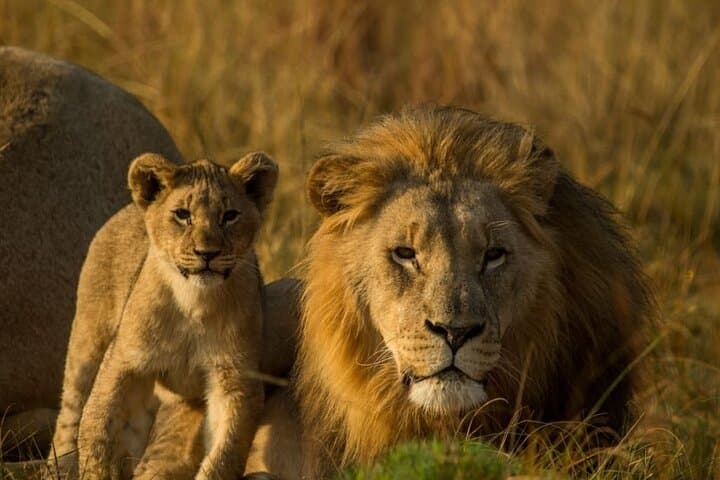
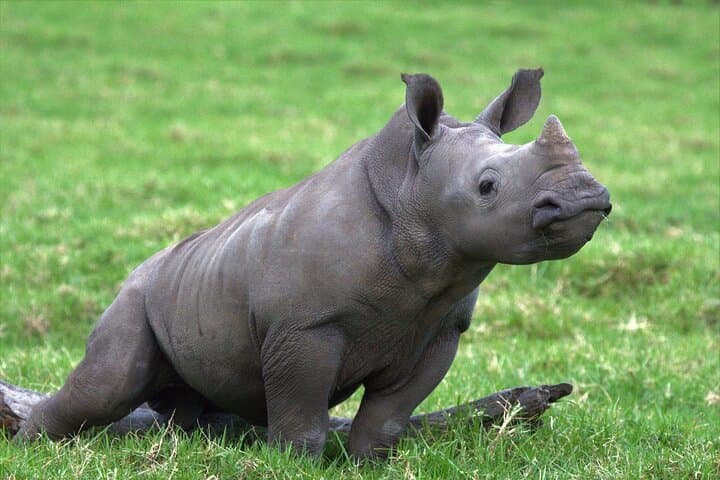
Typical sightings include African elephant, white rhino, buffalo and a wide range of coastal and estuarine birdlife; sightings depend on season and animal movement.
The greater Addo region has long been a crossroads of Khoisan, colonial and maritime histories; conservation initiatives here grew from 20th-century efforts to protect declining elephant populations.
Projects emphasize community-led conservation, alien plant removal and careful biosecurity; volunteers should minimize footprint by following boot-cleaning and waste protocols.
Sibuya Wilderness Experience operates guided outdoor trips and adventures with an emphasis on safety, stewardship, and memorable experiences.
A damp morning mist lifts off the Kariega estuary as you step from Intaka Bird Lodge and feel the reserve breath around you — elephants crossing scrub, oxpeckers flitting like punctuation. Over the next 15 days the coastline, dunes and bushveld demand attention: you track rhino, patrol fences, clear alien vegetation and hike the Alexandria Dune Fields where wind-built slopes rise like living sand sculptures.
A damp morning mist lifts off the Kariega estuary as you step from Intaka Bird Lodge and feel the reserve breath around you — elephants crossing scrub, oxpeckers flitting like punctuation. Over the next 15 days the coastline, dunes and bushveld demand attention: you track rhino, patrol fences, clear alien vegetation and hike the Alexandria Dune Fields where wind-built slopes rise like living sand sculptures.
This itinerary threads natural history with community engagement. Addo Elephant National Park holds one of the densest elephant populations on earth and the greater Woody Cape area preserves a rare coastal mosaic — estuary, thicket and dune systems shaped by Quaternary sea-level changes and persistent onshore winds. Local culture centers on small coastal towns such as Kenton-on-Sea and Port Elizabeth (Gqeberha), whose fishing and conservation networks support the ORI fish-tagging research you’ll join.
Expect field lectures, hands-on monitoring, boat tagging sessions and two sustained coastal hikes (20 km + 16 km) across wind-scoured dunes. Workdays include fence maintenance and alien plant removal; evenings bring group briefings and community outreach in nearby villages. Practical notes: the terrain alternates sandy, rocky and vegetated tracks; sun and wind are primary elements; wear sturdy boots, bring layered clothing and plan for dusty conditions.
This program is best for travelers with moderate fitness who want active conservation work paired with immersive wildlife encounters. Hydrate deliberately, follow biosecurity rules (boots and gear cleaned between sites) and allow a rest day mid-itinerary to recover before the longer hikes.