THE ADVENTURE COLLECTIVE® · Independent discovery and booking for outdoor travel

Learn to photograph the Milky Way and constellations in the near-total darkness of the Sibillini Mountains. This private half-day night workshop pairs local landscape insight with hands-on instruction in long-exposure and astro techniques.
Learn to photograph the Milky Way and constellations in the near-total darkness of the Sibillini Mountains. This private half-day night workshop pairs local landscape insight with hands-on instruction in long-exposure and astro techniques.
A cold wind from the high ridges pushes through stone walls as the group slips into darkness, cameras balanced on tripods like sentries. The Sibillini Mountains open their sky here: a wide, unlit vault where constellations cut crisply and the Milky Way can span from horizon to horizon on moonless nights.
Verified experiences and guided adventures in the surrounding area.
Operated by crusoe.travel · Norcia, Umbria
A cold wind from the high ridges pushes through stone walls as the group slips into darkness, cameras balanced on tripods like sentries. The Sibillini Mountains open their sky here: a wide, unlit vault where constellations cut crisply and the Milky Way can span from horizon to horizon on moonless nights.
This experience sits at the crossroads of Umbria, Marche and Lazio, a landscape shaped by limestone ridges, glacial cirques and centuries of shepherding. The 2016 earthquake left visible scars on villages and terraces, and the rugged geology now offers stark foregrounds for long-exposure work — folded strata, karst gullies and the plateau of Castelluccio provide compositional anchors.
Local culture is low-key and practical: mountain shepherding, seasonal lentil fields, and folklore about the Sibyl still thread the area’s identity. Guides combine this context with technical support: framing, exposure for stars, and techniques to minimize light pollution in images.
Expect a slow-paced, patient outing. The guide times stops to let photographers set up, test exposures and recompose. Paths are unlit and uneven; shoes and a steady tripod are essential. Plan around moon phases for the clearest skies, and watch temperature drop after sunset — the air sharpens detail but chills quickly.
Practical tips: bring a headlamp with a red filter, a wide-angle lens, spare batteries, and warm layers. Allow five hours for the session, including transit and setup. Above all, move deliberately and quietly to protect nocturnal wildlife and preserve the pristine dark that makes these skies so remarkable.
easy.
5 hours.
Suitable for most fitness levels; requires short walks on uneven terrain and standing for extended periods.
No — the guide accommodates beginners and advanced shooters, offering compositional and technical coaching tailored to your skill level.
Meeting details are provided at booking; most access is by car from Norcia or nearby towns — roads may be narrow and unlit at night.
The operator cancels in poor weather; you’ll get a full refund if the tour is cancelled at least 24 hours before departure or due to conditions.
Visibility depends on moon phase and clouds; new-moon nights give the best chance, and guides plan sessions to maximize visibility when possible.
The Sibillini region has long been shaped by pastoral livelihoods and medieval routes; recent earthquakes have changed village layouts and trail access but left the mountains’ character intact.
This area is within Monti Sibillini National Park with strict rules to limit light pollution and habitat disturbance — practice Leave No Trace and avoid using white lights during the workshop.
crusoe.travel operates guided outdoor trips and adventures with an emphasis on safety, stewardship, and memorable experiences.
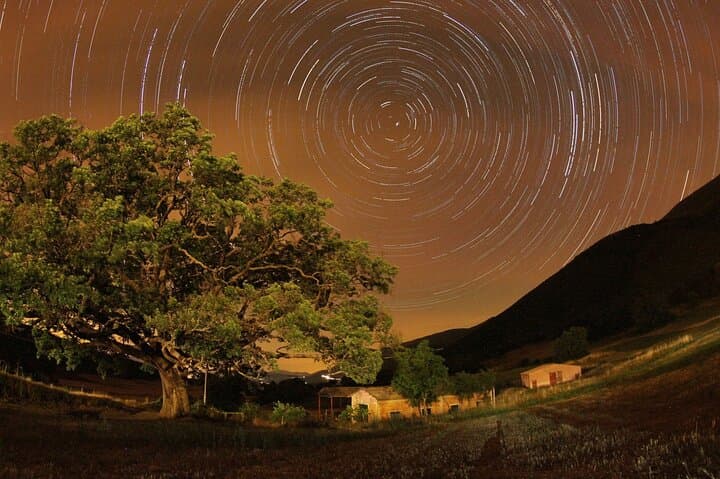
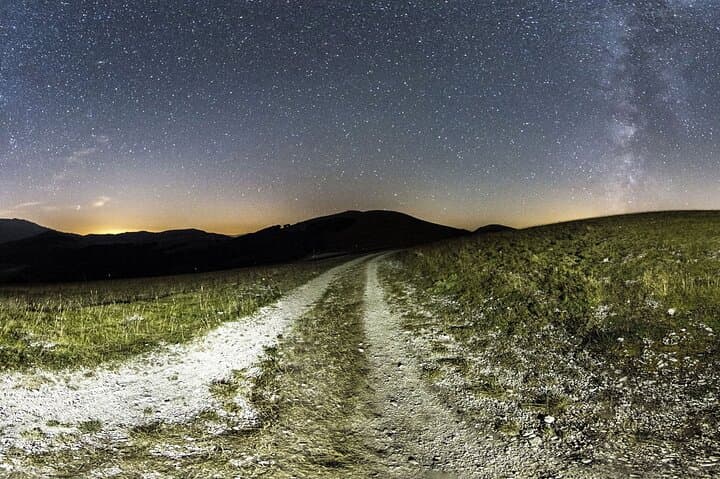
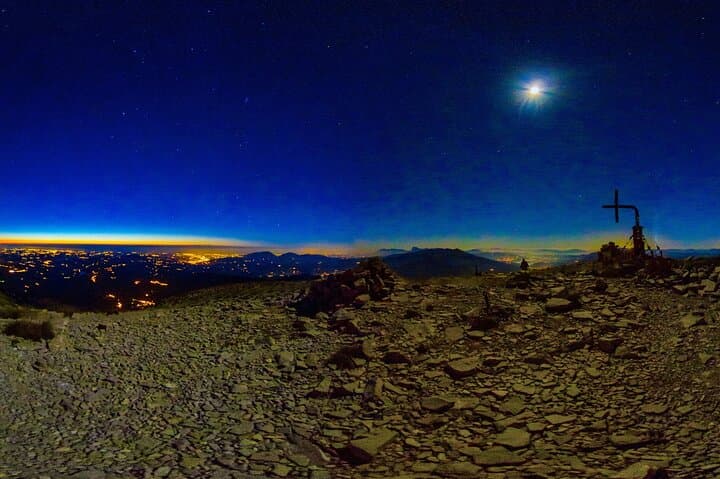
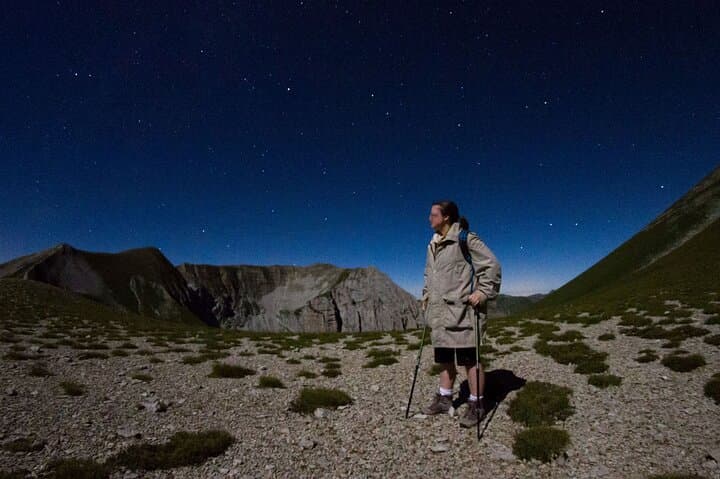
A cold wind from the high ridges pushes through stone walls as the group slips into darkness, cameras balanced on tripods like sentries. The Sibillini Mountains open their sky here: a wide, unlit vault where constellations cut crisply and the Milky Way can span from horizon to horizon on moonless nights.
A cold wind from the high ridges pushes through stone walls as the group slips into darkness, cameras balanced on tripods like sentries. The Sibillini Mountains open their sky here: a wide, unlit vault where constellations cut crisply and the Milky Way can span from horizon to horizon on moonless nights.
This experience sits at the crossroads of Umbria, Marche and Lazio, a landscape shaped by limestone ridges, glacial cirques and centuries of shepherding. The 2016 earthquake left visible scars on villages and terraces, and the rugged geology now offers stark foregrounds for long-exposure work — folded strata, karst gullies and the plateau of Castelluccio provide compositional anchors.
Local culture is low-key and practical: mountain shepherding, seasonal lentil fields, and folklore about the Sibyl still thread the area’s identity. Guides combine this context with technical support: framing, exposure for stars, and techniques to minimize light pollution in images.
Expect a slow-paced, patient outing. The guide times stops to let photographers set up, test exposures and recompose. Paths are unlit and uneven; shoes and a steady tripod are essential. Plan around moon phases for the clearest skies, and watch temperature drop after sunset — the air sharpens detail but chills quickly.
Practical tips: bring a headlamp with a red filter, a wide-angle lens, spare batteries, and warm layers. Allow five hours for the session, including transit and setup. Above all, move deliberately and quietly to protect nocturnal wildlife and preserve the pristine dark that makes these skies so remarkable.