THE ADVENTURE COLLECTIVE® · Independent discovery and booking for outdoor travel

Ride from Antigua to Pacaya for a half-day volcano experience that mixes fir forests, lava fields and steam vents. This accessible hike delivers close-up volcanic scenery, occasional lava viewing, and the odd marshmallow roast over geothermal heat.
Ride from Antigua to Pacaya for a half-day volcano experience that mixes fir forests, lava fields and steam vents. This accessible hike delivers close-up volcanic scenery, occasional lava viewing, and the odd marshmallow roast over geothermal heat.
The shuttle pulls out of Antigua before dawn, coffee-scented streets shrinking behind you as the road climbs through coffee farms and pine ridges. By the time the villages of San Vicente come into view the air has sharpened; the volcano ahead is a charcoal silhouette with plumes and steam pushing at the sky. You disembark, tighten boots, and step onto terrain that is equal parts loose volcanic scree and jagged lava—Pacaya’s surface has the personality of a landscape still learning how to cool.
Verified experiences and guided adventures in the surrounding area.
Operated by MB Guatemaya Travel · Antigua Guatemala, Sacatepéquez
The shuttle pulls out of Antigua before dawn, coffee-scented streets shrinking behind you as the road climbs through coffee farms and pine ridges. By the time the villages of San Vicente come into view the air has sharpened; the volcano ahead is a charcoal silhouette with plumes and steam pushing at the sky. You disembark, tighten boots, and step onto terrain that is equal parts loose volcanic scree and jagged lava—Pacaya’s surface has the personality of a landscape still learning how to cool.
Pacaya is one of Guatemala’s most active volcanoes and a visible member of the Central American Volcanic Arc. Its frequent Strombolian eruptions build fresh basaltic flows that spill over older cones; local communities have long adapted, using geothermal heat to roast food and harvest volcanic soils for coffee. The route climbs through a fir-and-pine band, then opens onto black, glassy flows where steam vents warm the air and, sometimes, small glowing rivers of lava put on a distant show.
Expect about 1.5 hours of steady ascent on uneven ground, then time to explore viewing areas and steam vents; the full excursion with round-trip transport runs roughly 6–7 hours. Practical prep: sturdy, grippy footwear for sharp lava and scree, layered clothing for sun and cooling winds, 2 liters of water, and cash for local snacks. Keep distance from fumaroles, follow your guide, and move deliberately—Pacaya’s landscape looks static until it reminds you that it isn’t.
moderate.
6–7 hours.
Moderate cardio fitness with good balance for uneven volcanic rock; able to walk uphill for 1–2 hours.
Possibly — Pacaya is active and small lava flows or glowing vents can sometimes be visible; visibility depends on current volcanic activity and safety restrictions set by guides.
The ascent is non-technical but includes loose volcanic scree and uneven basalt; expect steady uphill walking for about 1–1.5 hours to the main viewing areas.
Families often join; small children can do sections but infants must sit on laps in the vehicle and parents should judge kids’ comfort with uneven terrain and fumes—ask the operator for age guidance.
Facilities are limited; small vendors at the trailhead or village may sell snacks and marshmallows, so bring essentials and some cash for purchases.
Pacaya has been intermittently active for centuries and sits on the Central American Volcanic Arc; eruptions have shaped local settlements and agricultural use of volcanic soils.
Stay on designated paths to protect fragile volcanic soils and vegetation; pack out all trash and respect local access rules to minimize impact.
MB Guatemaya Travel operates guided outdoor trips and adventures with an emphasis on safety, stewardship, and memorable experiences.
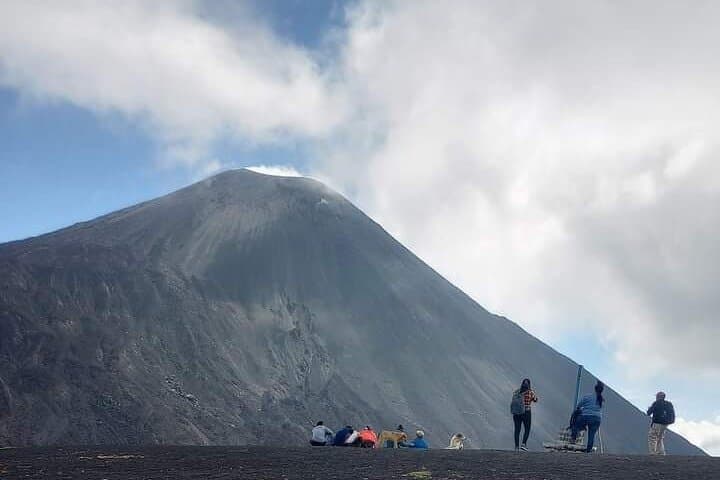
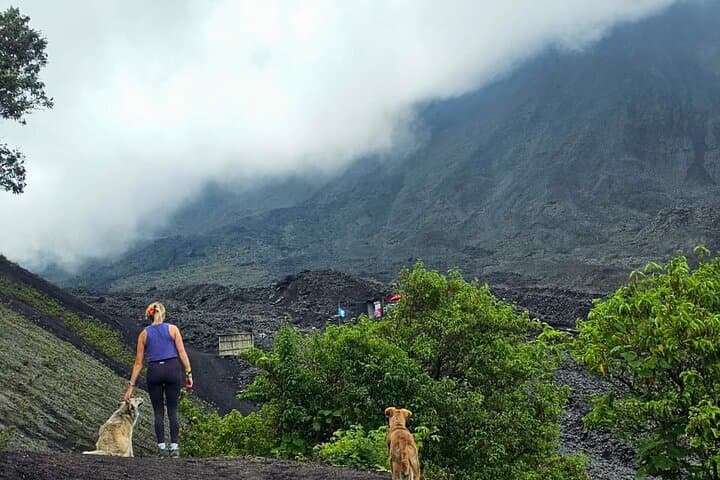
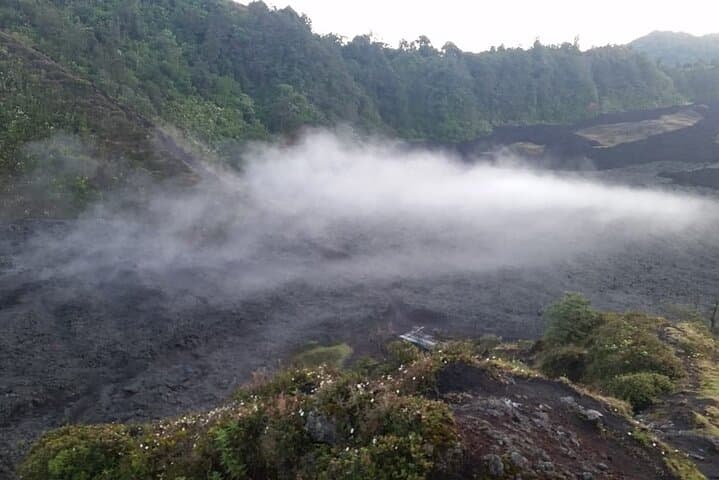
The shuttle pulls out of Antigua before dawn, coffee-scented streets shrinking behind you as the road climbs through coffee farms and pine ridges. By the time the villages of San Vicente come into view the air has sharpened; the volcano ahead is a charcoal silhouette with plumes and steam pushing at the sky. You disembark, tighten boots, and step onto terrain that is equal parts loose volcanic scree and jagged lava—Pacaya’s surface has the personality of a landscape still learning how to cool.
The shuttle pulls out of Antigua before dawn, coffee-scented streets shrinking behind you as the road climbs through coffee farms and pine ridges. By the time the villages of San Vicente come into view the air has sharpened; the volcano ahead is a charcoal silhouette with plumes and steam pushing at the sky. You disembark, tighten boots, and step onto terrain that is equal parts loose volcanic scree and jagged lava—Pacaya’s surface has the personality of a landscape still learning how to cool.
Pacaya is one of Guatemala’s most active volcanoes and a visible member of the Central American Volcanic Arc. Its frequent Strombolian eruptions build fresh basaltic flows that spill over older cones; local communities have long adapted, using geothermal heat to roast food and harvest volcanic soils for coffee. The route climbs through a fir-and-pine band, then opens onto black, glassy flows where steam vents warm the air and, sometimes, small glowing rivers of lava put on a distant show.
Expect about 1.5 hours of steady ascent on uneven ground, then time to explore viewing areas and steam vents; the full excursion with round-trip transport runs roughly 6–7 hours. Practical prep: sturdy, grippy footwear for sharp lava and scree, layered clothing for sun and cooling winds, 2 liters of water, and cash for local snacks. Keep distance from fumaroles, follow your guide, and move deliberately—Pacaya’s landscape looks static until it reminds you that it isn’t.