THE ADVENTURE COLLECTIVE® · Independent discovery and booking for outdoor travel

A full-day cultural tour through Khankendi and Shusha that pairs mountain viewpoints with restored mosques, fortresses and springs. Expect easy walking, commanding panoramas from Jidir Duzu, and meaningful encounters with Karabakh’s revived cultural sites.
A full-day cultural tour through Khankendi and Shusha that pairs mountain viewpoints with restored mosques, fortresses and springs. Expect easy walking, commanding panoramas from Jidir Duzu, and meaningful encounters with Karabakh’s revived cultural sites.
You arrive where stone meets sky: Shusha’s ramparts cut into the mountain, terraces slipping into the valley and the wind pushing your breath toward distant ridgelines. On Jidir Duzu Plateau the air opens, inviting a long gaze across folded mountains; Isa Spring offers cold, clear relief that seems to remember older travelers.
Verified experiences and guided adventures in the surrounding area.
Operated by Baku Heritage Tours · Shusha, Shusha District
You arrive where stone meets sky: Shusha’s ramparts cut into the mountain, terraces slipping into the valley and the wind pushing your breath toward distant ridgelines. On Jidir Duzu Plateau the air opens, inviting a long gaze across folded mountains; Isa Spring offers cold, clear relief that seems to remember older travelers.
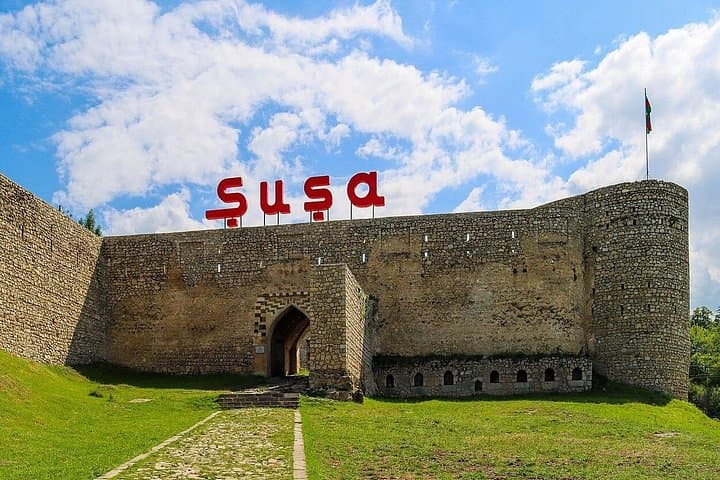
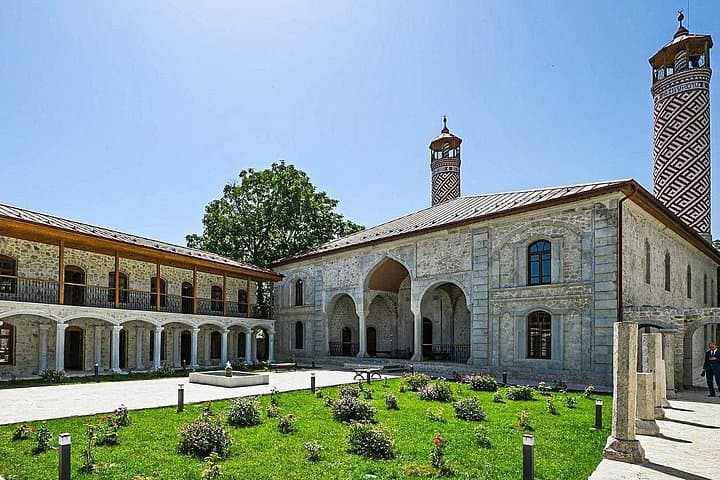
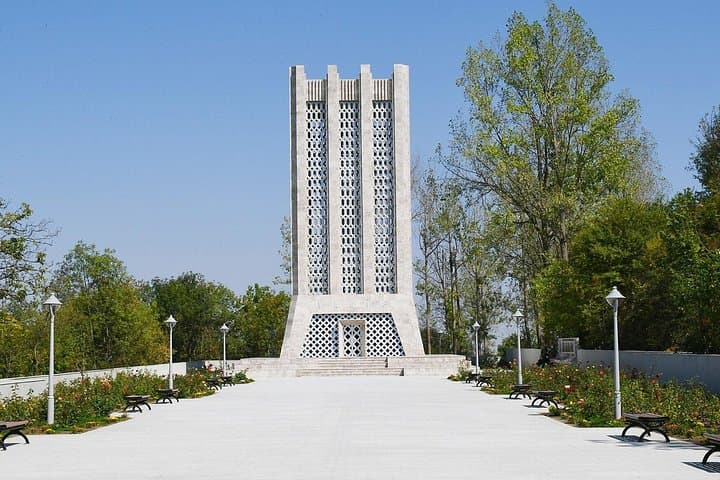
This route threads 18th- and 19th-century architecture with Soviet-era stonework and ancient oral traditions. Shusha Fortress, Yukhari Govhar Agha Mosque, and the Mausoleum of Molla Panah Vagif mark the city’s strategic and cultural role in Karabakh. The volcanic tuff sculpture and Natavan Fountain recall local artistic lines, while Khankendi’s Parliament Building and modern university underline recent social change.
Geologically the area sits on folded sedimentary layers pierced by volcanic tuff, creating dramatic cliffs and springs whose flow shaped settlements. Culturally, Shusha has long been a regional music and poetry center — its narrow streets once echoed with ashugs and ceremonies.
Practical guide: this is a full-day, low-impact tour with frequent stops and short walks on uneven stone and paved surfaces; expect stairs and loose gravel. Permission to enter the Karabakh zone is included with the tour, and transport plus a guide are provided. Wear sturdy walking shoes, layers for wind and sun, and bring 2 liters of water and a hat. Respect religious sites—modest dress required—and ask before photographing locals. Early light on Jidir Duzu makes for the best views; afternoons can be hazy.
The experience balances history and landscape: you’ll leave with images of stone, flowing water, and a clearer sense of a region rebuilding its public life.
easy.
14 hours.
Suitable for people in average fitness; requires walking short distances, climbing stairs, and standing during viewpoints.
The tour includes permission to enter the Karabakh zone; bring your passport and follow the guide’s instructions at checkpoints.
Walking is light to moderate with short stints on uneven ground and stairs at historic sites; most stops are accessible from the tour vehicle.
A lunch break in Khankendi is part of the itinerary; specific meals may be payable locally unless stated otherwise by the operator.
Most restored sites like Yukhari Govhar Agha Mosque are open to visitors; modest dress and quiet behavior are required inside religious buildings.
Shusha was founded in the 18th century as a fortified cultural center and later became synonymous with Azerbaijani music and poetry; recent restoration has reopened many public sites.
Visitor numbers are still managed; stick to paths, avoid disturbing spring sources, and support local guides who follow preservation protocols.
Baku Heritage Tours operates guided outdoor trips and adventures with an emphasis on safety, stewardship, and memorable experiences.
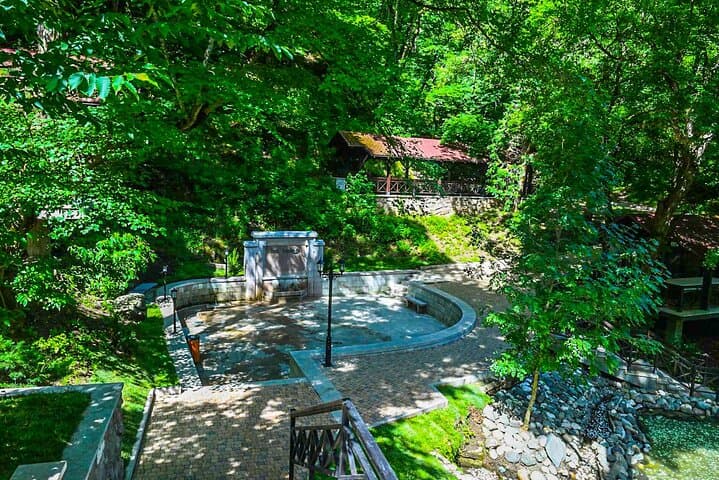
You arrive where stone meets sky: Shusha’s ramparts cut into the mountain, terraces slipping into the valley and the wind pushing your breath toward distant ridgelines. On Jidir Duzu Plateau the air opens, inviting a long gaze across folded mountains; Isa Spring offers cold, clear relief that seems to remember older travelers.
You arrive where stone meets sky: Shusha’s ramparts cut into the mountain, terraces slipping into the valley and the wind pushing your breath toward distant ridgelines. On Jidir Duzu Plateau the air opens, inviting a long gaze across folded mountains; Isa Spring offers cold, clear relief that seems to remember older travelers.
This route threads 18th- and 19th-century architecture with Soviet-era stonework and ancient oral traditions. Shusha Fortress, Yukhari Govhar Agha Mosque, and the Mausoleum of Molla Panah Vagif mark the city’s strategic and cultural role in Karabakh. The volcanic tuff sculpture and Natavan Fountain recall local artistic lines, while Khankendi’s Parliament Building and modern university underline recent social change.
Geologically the area sits on folded sedimentary layers pierced by volcanic tuff, creating dramatic cliffs and springs whose flow shaped settlements. Culturally, Shusha has long been a regional music and poetry center — its narrow streets once echoed with ashugs and ceremonies.
Practical guide: this is a full-day, low-impact tour with frequent stops and short walks on uneven stone and paved surfaces; expect stairs and loose gravel. Permission to enter the Karabakh zone is included with the tour, and transport plus a guide are provided. Wear sturdy walking shoes, layers for wind and sun, and bring 2 liters of water and a hat. Respect religious sites—modest dress required—and ask before photographing locals. Early light on Jidir Duzu makes for the best views; afternoons can be hazy.
The experience balances history and landscape: you’ll leave with images of stone, flowing water, and a clearer sense of a region rebuilding its public life.