THE ADVENTURE COLLECTIVE® · Independent discovery and booking for outdoor travel

Try a real shuriken under the guidance of senior ninja staff in historic Takayama. This 30-minute hands-on session blends practical throwing technique with local history and museum displays.
Try a real shuriken under the guidance of senior ninja staff in historic Takayama. This 30-minute hands-on session blends practical throwing technique with local history and museum displays.
You step off the quiet street into a room that feels more like a stage than a classroom: wooden floors, displays of helmets and swords catching the light, and the muted rush of the Miyagawa River outside daring you to try something precise and a little wild.
Verified experiences and guided adventures in the surrounding area.
Operated by Ninja Cafe TAKAYAMA (Ninjia Experience) · Takayama, Gifu
You step off the quiet street into a room that feels more like a stage than a classroom: wooden floors, displays of helmets and swords catching the light, and the muted rush of the Miyagawa River outside daring you to try something precise and a little wild.
Takayama was a prosperous Edo-period market town; its preserved merchant houses frame a city still shaped by timber, seasonal markets, and mountain weather. Ninja skills originated in feudal Japan—primarily Iga and Koga clans—but the shuriken remains an iconic, practical tool tied to stealth, timing, and focused technique. The Hida mountains around Takayama supply the dense forests and ironworking traditions that made edged tools central to local craft.
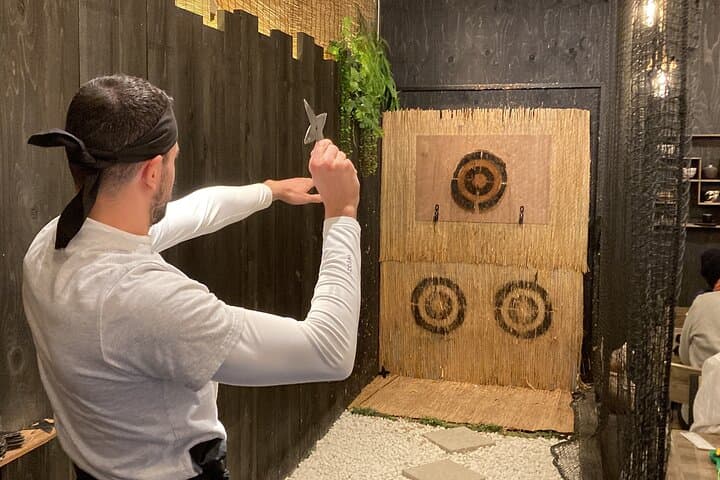
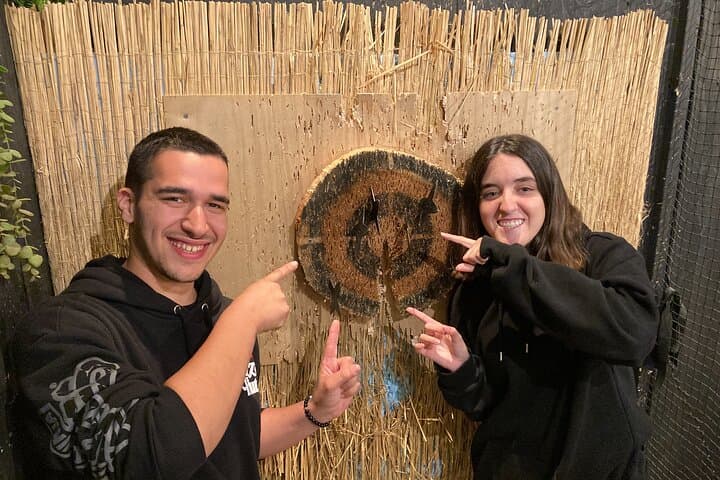
At Ninja Cafe Takayama the session is short and direct: an introduction to shuriken history and safety, guided throws from staff, then a few attempts at a wooden or straw target from up to five meters. The payoff is tactile—steel against palm, and the small, sharp satisfaction of a hit.
Practical details: the experience runs about 30 minutes, is wheelchair accessible, and welcomes all ages; staff adapt distance for children. Wear closed-toe shoes and non-restrictive sleeves, and bring a camera for the action shots. Public transit reaches central Takayama easily; booking online secures instant confirmation. Respect exhibits and follow instructions—steel shuriken are real, and safety is the first practice of any authentic demonstration. This is cultural learning with hands-on focus, ideal for families and travelers who want a concise, memorable dive into Japan’s martial past.
easy.
30 minutes.
Minimal fitness required; fine motor control and ability to stand for short periods recommended
Yes—staff provide steel shuriken and strict safety instructions; throws are directed at secured wooden or straw targets with distance adjusted for age.
Children can participate; staff move younger participants closer to the target and supervise closely, making it family friendly.
Yes; the location and surfaces are listed as wheelchair accessible and staff accommodate mobility needs.
Takayama’s central area is walkable from the station and local buses serve the historic district; public transportation options are available nearby.
Takayama grew as an Edo-period merchant center; displays at local museums reflect the city’s woodworking and ironcraft traditions that supported regional weapon and tool-making.
Respect historic exhibits and avoid touching artifacts; support small local businesses and follow waste-reduction practices when touring the old town.
Ninja Cafe TAKAYAMA (Ninjia Experience) operates guided outdoor trips and adventures with an emphasis on safety, stewardship, and memorable experiences.


You step off the quiet street into a room that feels more like a stage than a classroom: wooden floors, displays of helmets and swords catching the light, and the muted rush of the Miyagawa River outside daring you to try something precise and a little wild.
You step off the quiet street into a room that feels more like a stage than a classroom: wooden floors, displays of helmets and swords catching the light, and the muted rush of the Miyagawa River outside daring you to try something precise and a little wild.
Takayama was a prosperous Edo-period market town; its preserved merchant houses frame a city still shaped by timber, seasonal markets, and mountain weather. Ninja skills originated in feudal Japan—primarily Iga and Koga clans—but the shuriken remains an iconic, practical tool tied to stealth, timing, and focused technique. The Hida mountains around Takayama supply the dense forests and ironworking traditions that made edged tools central to local craft.
At Ninja Cafe Takayama the session is short and direct: an introduction to shuriken history and safety, guided throws from staff, then a few attempts at a wooden or straw target from up to five meters. The payoff is tactile—steel against palm, and the small, sharp satisfaction of a hit.
Practical details: the experience runs about 30 minutes, is wheelchair accessible, and welcomes all ages; staff adapt distance for children. Wear closed-toe shoes and non-restrictive sleeves, and bring a camera for the action shots. Public transit reaches central Takayama easily; booking online secures instant confirmation. Respect exhibits and follow instructions—steel shuriken are real, and safety is the first practice of any authentic demonstration. This is cultural learning with hands-on focus, ideal for families and travelers who want a concise, memorable dive into Japan’s martial past.