THE ADVENTURE COLLECTIVE® · Independent discovery and booking for outdoor travel

Four days of compact, lodge-based safari travel that pairs the elephant-swept floodplains of Tarangire with the wildlife-dense bowl of Ngorongoro Crater. Early starts and full-day game drives promise concentrated sightings with comfortable accommodations each night.
Four days of compact, lodge-based safari travel that pairs the elephant-swept floodplains of Tarangire with the wildlife-dense bowl of Ngorongoro Crater. Early starts and full-day game drives promise concentrated sightings with comfortable accommodations each night.
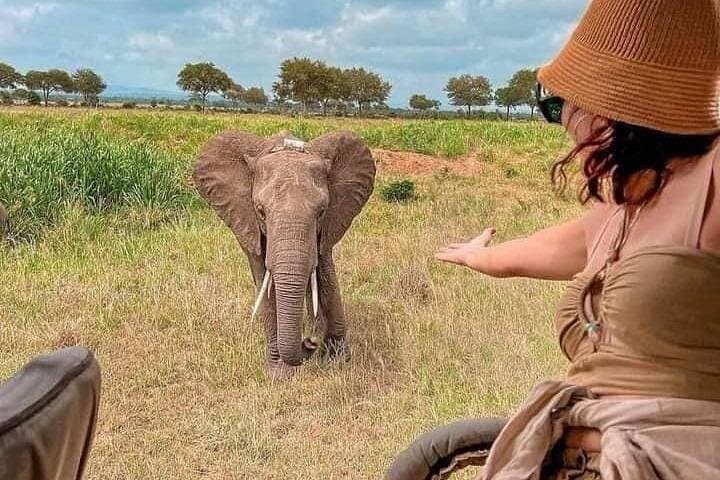
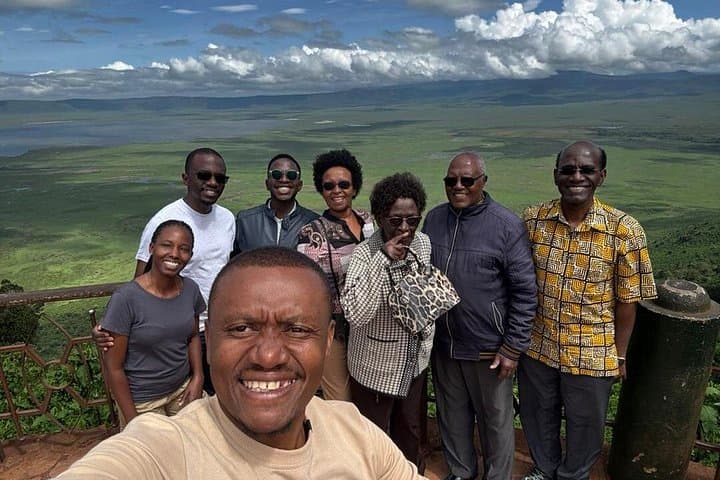
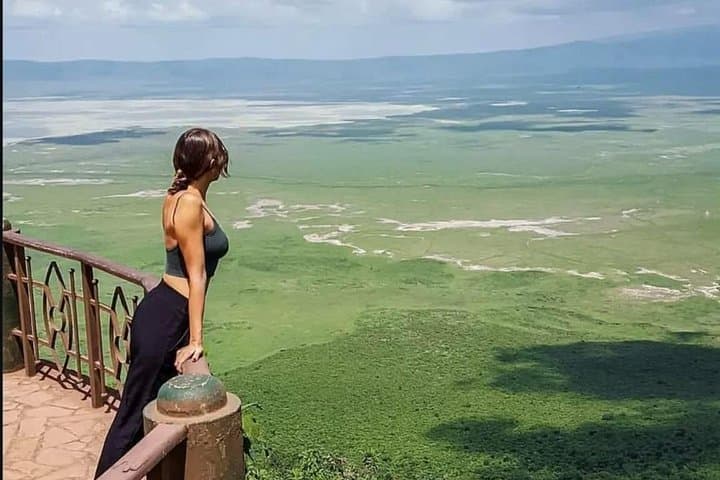
A dawn silhouette of baobabs and a slow-moving herd of elephants greets your first morning—the light edges their massive flanks as the driver eases the 4x4 forward. In Tarangire the river dares the dry season to run out; animals gather where water still remembers how to call them. Two days later you stand on the rim of Ngorongoro and peer into a bowl some 19 km across and roughly 600 m deep, a collapsed volcanic caldera that turned into Tanzania’s most concentrated wildlife theater.
Verified experiences and guided adventures in the surrounding area.
Operated by Grandezza Tours and Travel · Karatu, Arusha Region
A dawn silhouette of baobabs and a slow-moving herd of elephants greets your first morning—the light edges their massive flanks as the driver eases the 4x4 forward. In Tarangire the river dares the dry season to run out; animals gather where water still remembers how to call them. Two days later you stand on the rim of Ngorongoro and peer into a bowl some 19 km across and roughly 600 m deep, a collapsed volcanic caldera that turned into Tanzania’s most concentrated wildlife theater.
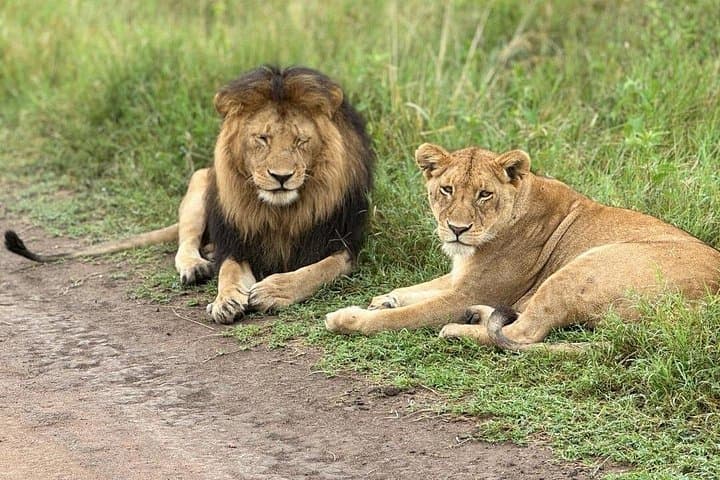
The parks blend geology and culture: Tarangire’s broad floodplains and kopjes contrast with Ngorongoro’s crater floor, where grasses, swamps and woodland create microhabitats for lions, black rhino and hippos. The Maasai have grazed the highlands for generations; their presence and pastoral practices remain part of the landscape’s human story. Lodges around Karatu and Arusha act as calm bases between long game drives.
Practical rhythm: days start early (pickups around 7:30), expect full-day game drives with picnic lunches and bumpy tracks, not hikes. Park stats matter—Tarangire covers roughly 2,850 km² of mixed woodland and savanna; Ngorongoro’s crater floor is a compact, wildlife-rich arena roughly 260 km² in area.
Prepare for altitude on the crater rim, bring sun and dust protection, and pack layers for cool mornings and hot midday sun. Vaccinations, a valid passport, and modest tipping etiquette are standard. This itinerary delivers concentrated wildlife viewing with lodge comfort—ideal for travelers who want maximum sightings on a compact schedule.
easy.
4 days.
Minimal hiking required; participants should be able to handle several hours seated in a vehicle, short walks at lodges, and occasional uneven terrain during short game-viewing exits.
This package lists entrance fees and most meals as included—confirm specific lodges and any extras like alcoholic drinks or private activities before booking.
Consult your doctor for up-to-date travel health advice; malaria prophylaxis is commonly recommended for northern Tanzania and routine vaccinations may be advised.
Expect full-day transfers of several hours between lodges and parks—Tarangire to Karatu and Ngorongoro approaches involve rural roads and bumpy stretches.
The itinerary is lodge-based and advertised as suitable for most fitness levels, but it’s not recommended for pregnant travelers or those with serious spinal or cardiovascular conditions.
Ngorongoro formed as a volcanic crater roughly 2–3 million years ago; the area has long been home to Maasai pastoralists whose grazing contributes to the region’s cultural landscape.
Ngorongoro and Tarangire are protected areas facing pressure from tourism and local land use; choose operators that support park fees and local communities to reduce impact.
Grandezza Tours and Travel operates guided outdoor trips and adventures with an emphasis on safety, stewardship, and memorable experiences.
A dawn silhouette of baobabs and a slow-moving herd of elephants greets your first morning—the light edges their massive flanks as the driver eases the 4x4 forward. In Tarangire the river dares the dry season to run out; animals gather where water still remembers how to call them. Two days later you stand on the rim of Ngorongoro and peer into a bowl some 19 km across and roughly 600 m deep, a collapsed volcanic caldera that turned into Tanzania’s most concentrated wildlife theater.
A dawn silhouette of baobabs and a slow-moving herd of elephants greets your first morning—the light edges their massive flanks as the driver eases the 4x4 forward. In Tarangire the river dares the dry season to run out; animals gather where water still remembers how to call them. Two days later you stand on the rim of Ngorongoro and peer into a bowl some 19 km across and roughly 600 m deep, a collapsed volcanic caldera that turned into Tanzania’s most concentrated wildlife theater.
The parks blend geology and culture: Tarangire’s broad floodplains and kopjes contrast with Ngorongoro’s crater floor, where grasses, swamps and woodland create microhabitats for lions, black rhino and hippos. The Maasai have grazed the highlands for generations; their presence and pastoral practices remain part of the landscape’s human story. Lodges around Karatu and Arusha act as calm bases between long game drives.
Practical rhythm: days start early (pickups around 7:30), expect full-day game drives with picnic lunches and bumpy tracks, not hikes. Park stats matter—Tarangire covers roughly 2,850 km² of mixed woodland and savanna; Ngorongoro’s crater floor is a compact, wildlife-rich arena roughly 260 km² in area.
Prepare for altitude on the crater rim, bring sun and dust protection, and pack layers for cool mornings and hot midday sun. Vaccinations, a valid passport, and modest tipping etiquette are standard. This itinerary delivers concentrated wildlife viewing with lodge comfort—ideal for travelers who want maximum sightings on a compact schedule.