THE ADVENTURE COLLECTIVE® · Independent discovery and booking for outdoor travel

This compact 5-day tour blends Kathmandu’s UNESCO heritage sites with an early-morning ascent to Nagarkot for Himalayan sunrise views. Ideal for travelers who want cultural depth and a front-row seat to the mountains without a multi-week trek.
This compact 5-day tour blends Kathmandu’s UNESCO heritage sites with an early-morning ascent to Nagarkot for Himalayan sunrise views. Ideal for travelers who want cultural depth and a front-row seat to the mountains without a multi-week trek.
You arrive to the crowded, honking arteries of Kathmandu and within hours the city’s low-rise pagodas and jasmine-scented courtyards give way to a quieter ridge road climbing toward Nagarkot. At dawn the horizon pushes light across the Himalaya; the peaks seem to lean forward, daring you to watch. This short tour pairs Kathmandu’s living medieval streets — Swayambhunath’s monkey-populated stupa, the prayer-wheel orbit of Boudhanath, and the cremation ghats of Pashupatinath — with a drive out to Nagarkot for a sunrise that, when skies are clear, frames Everest and the Annapurnas.
Verified experiences and guided adventures in the surrounding area.
Operated by Luxury Holidays Nepal Pvt. Ltd. · Kathmandu, Bagmati Province
You arrive to the crowded, honking arteries of Kathmandu and within hours the city’s low-rise pagodas and jasmine-scented courtyards give way to a quieter ridge road climbing toward Nagarkot. At dawn the horizon pushes light across the Himalaya; the peaks seem to lean forward, daring you to watch. This short tour pairs Kathmandu’s living medieval streets — Swayambhunath’s monkey-populated stupa, the prayer-wheel orbit of Boudhanath, and the cremation ghats of Pashupatinath — with a drive out to Nagarkot for a sunrise that, when skies are clear, frames Everest and the Annapurnas.
Historically the Kathmandu Valley has been a crossroads of Newar craftsmanship and Himalayan trade; Patan and Bhaktapur preserve carved woodwork and brick plazas that date to the Malla period. Geologically, the valley is a bowl of alluvial soils ringed by faulted ridges that give Nagarkot its sweeping vantage. Culturally, expect a visible mix of Hindu and Buddhist practice, small shrines at street corners, and marketplaces that still operate by handshake.
Practically: the trip is mostly road- and short-walk based — moderate elevation change (Kathmandu ~1,350–1,400 m to Nagarkot ~2,150–2,200 m) reached by private vehicle, with a short 1–3 km hill walk possible at sunrise. Dress in layers for pre-dawn chill, carry water and modest clothing for temple visits, and plan for variable mountain visibility; monsoon months hide the peaks. Guides handle logistics, but bring cash for small purchases and camera batteries — the light won’t wait.
easy.
5 days.
Normal travel fitness; able to walk short distances and handle an early-morning hillside walk.
On clear days—typically in late autumn and winter—you can see Everest and many other peaks; visibility is reduced during monsoon (June–Sept) and on hazy days.
The tour uses private vehicles with short walks; many sites have stairs and uneven surfaces, so mobility limitations should be discussed with the operator in advance.
Most heritage sites charge individual entrance fees rather than separate permits; your tour includes guided visits but carry small cash for any site fees.
Late September to November and December to February generally offer the most reliable clear skies and crisp views.
Kathmandu Valley was the political and cultural center of the Newar kingdoms; many palaces and temples visible today were built during the Malla era between the 12th and 18th centuries.
The valley faces air quality and waste-management challenges; visitors can reduce impact by using refillable water bottles, staying on marked paths, and supporting local guides and conservation-minded businesses.
Luxury Holidays Nepal Pvt. Ltd. operates guided outdoor trips and adventures with an emphasis on safety, stewardship, and memorable experiences.
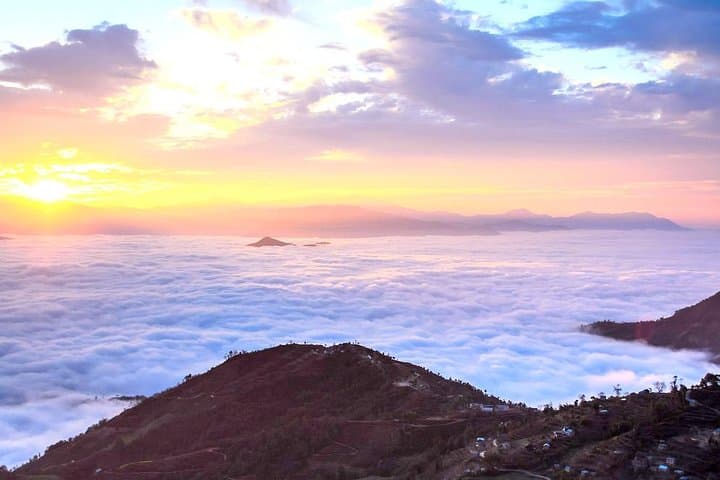
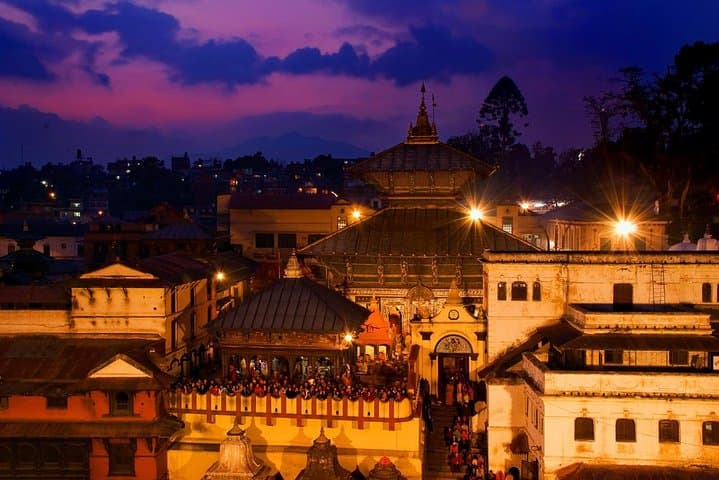
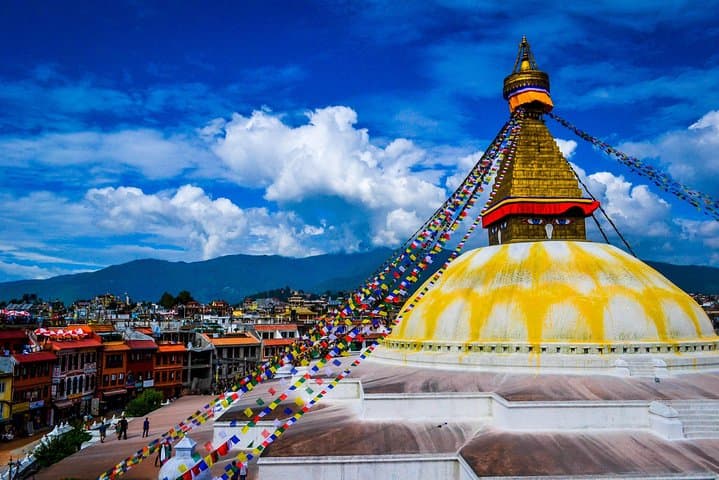
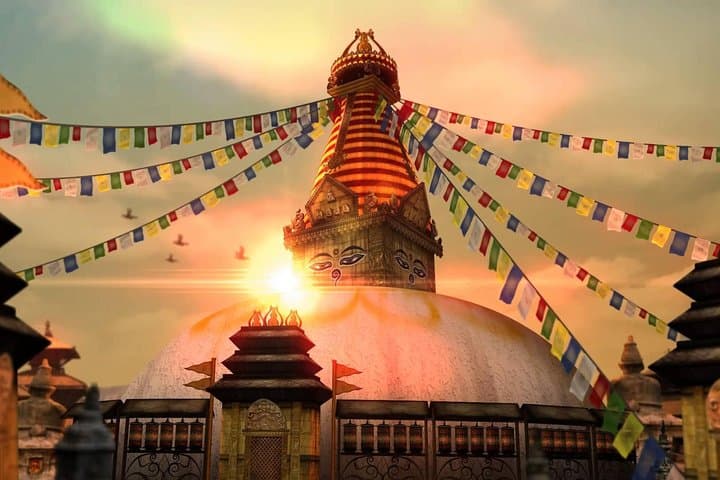
You arrive to the crowded, honking arteries of Kathmandu and within hours the city’s low-rise pagodas and jasmine-scented courtyards give way to a quieter ridge road climbing toward Nagarkot. At dawn the horizon pushes light across the Himalaya; the peaks seem to lean forward, daring you to watch. This short tour pairs Kathmandu’s living medieval streets — Swayambhunath’s monkey-populated stupa, the prayer-wheel orbit of Boudhanath, and the cremation ghats of Pashupatinath — with a drive out to Nagarkot for a sunrise that, when skies are clear, frames Everest and the Annapurnas.
You arrive to the crowded, honking arteries of Kathmandu and within hours the city’s low-rise pagodas and jasmine-scented courtyards give way to a quieter ridge road climbing toward Nagarkot. At dawn the horizon pushes light across the Himalaya; the peaks seem to lean forward, daring you to watch. This short tour pairs Kathmandu’s living medieval streets — Swayambhunath’s monkey-populated stupa, the prayer-wheel orbit of Boudhanath, and the cremation ghats of Pashupatinath — with a drive out to Nagarkot for a sunrise that, when skies are clear, frames Everest and the Annapurnas.
Historically the Kathmandu Valley has been a crossroads of Newar craftsmanship and Himalayan trade; Patan and Bhaktapur preserve carved woodwork and brick plazas that date to the Malla period. Geologically, the valley is a bowl of alluvial soils ringed by faulted ridges that give Nagarkot its sweeping vantage. Culturally, expect a visible mix of Hindu and Buddhist practice, small shrines at street corners, and marketplaces that still operate by handshake.
Practically: the trip is mostly road- and short-walk based — moderate elevation change (Kathmandu ~1,350–1,400 m to Nagarkot ~2,150–2,200 m) reached by private vehicle, with a short 1–3 km hill walk possible at sunrise. Dress in layers for pre-dawn chill, carry water and modest clothing for temple visits, and plan for variable mountain visibility; monsoon months hide the peaks. Guides handle logistics, but bring cash for small purchases and camera batteries — the light won’t wait.