THE ADVENTURE COLLECTIVE® · Independent discovery and booking for outdoor travel

Hike the final 12 km of the Classic Inka Trail on this 4-day private tour from Cusco. Expect steep stone steps, highland villages, and an afternoon arrival through the Sun Gate into Machu Picchu.
Hike the final 12 km of the Classic Inka Trail on this 4-day private tour from Cusco. Expect steep stone steps, highland villages, and an afternoon arrival through the Sun Gate into Machu Picchu.
The trail opens with a dawn train slice through the Sacred Valley, the river daring you to keep pace as terraces slide past the carriage window. By KM 104 you step onto the last stretch of the Inka Trail: 12 km of stone steps, switchbacks and the scent of wet forest that pushes you upward toward the Sun Gate.
Verified experiences and guided adventures in the surrounding area.
Operated by Peru Viva · Cusco, Cusco Region
The trail opens with a dawn train slice through the Sacred Valley, the river daring you to keep pace as terraces slide past the carriage window. By KM 104 you step onto the last stretch of the Inka Trail: 12 km of stone steps, switchbacks and the scent of wet forest that pushes you upward toward the Sun Gate.
This short Inka Trail threads living history into landscape. Built by Inca road engineers, the route links agricultural terraces, waystations and fortress-ruins that sit above the Vilcanota (Urubamba) River. Geology here is raw: folded Andean lithosphere, steep-cut valleys and microclimates that let cloud forest and highland scrub coexist within a few hundred meters of vertical change.
Culture is immediate. Quechua-speaking communities tend llamas and weave in techniques unchanged for generations; markets in Ollantaytambo show those textiles and offer quinoa-based stews that fuel the walk. Arrive at Inti Punku at afternoon light and Machu Picchu unveils itself against forested ridges — stonework so precise you can still trace the mortar-free joins.
Practical edge: allow 48–72 hours to acclimatize in Cusco (3,400 m) before hiking; the short trail is moderate but steep and involves 4–6 hours of sustained effort. Permits for the Inka Trail are limited and sold in advance. Bring layered clothing, 2–3 liters of water, sturdy ankle-support boots, and rain protection even in the dry season. Overnight stays in Aguas Calientes mean options for dinner and hot springs; return by train through the valley to Cusco when the tour closes the loop.
moderate.
4 days (trek: 4–6 hours on day 3).
Moderate fitness—able to sustain several hours of uphill hiking at altitude; prior conditioning for stairs/steep ascents recommended.
Yes—the one-day short Inka Trail follows part of the Classic Inka Trail and requires a permit; these are limited and must be booked in advance.
You should have moderate fitness: comfortable hiking 4–6 hours with steady uphill sections and uneven stone steps; prior stair or hill training helps.
Yes—the tour allows travelers to take the train directly to Aguas Calientes instead of hiking, subject to train schedules and ticket availability.
Acclimatize in Cusco for 24–48 hours, stay hydrated, avoid heavy exertion on arrival, and consult a doctor about medication if you have prior altitude issues.
The route uses sections of the Inca road network that linked Cusco to agricultural and ceremonial centers; Machu Picchu was a highland estate and ritual site with sophisticated drainage and terraces.
Foot traffic is managed through permit limits and guided access; visitors should stay on trails, pack out waste, and avoid feeding wildlife to protect fragile cloud-forest ecosystems.
Peru Viva operates guided outdoor trips and adventures with an emphasis on safety, stewardship, and memorable experiences.
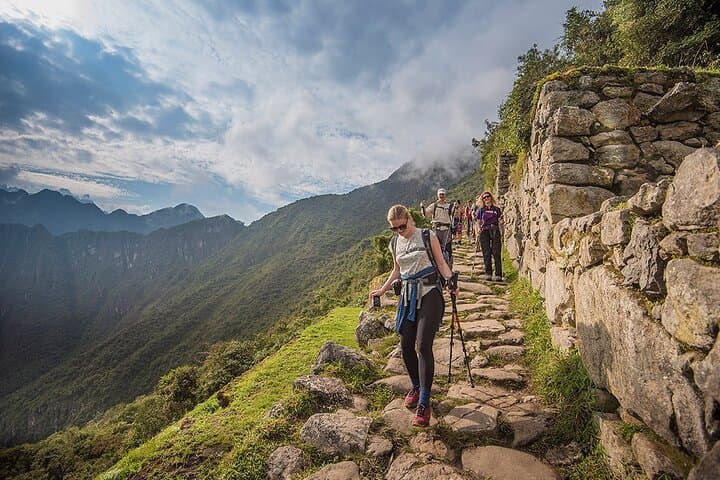

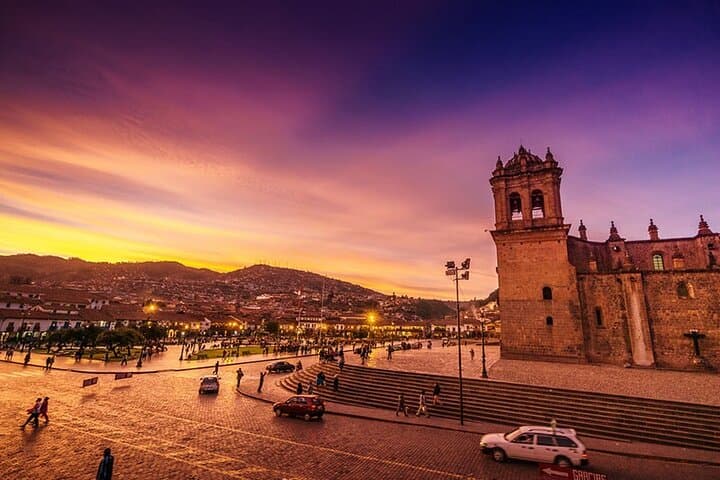
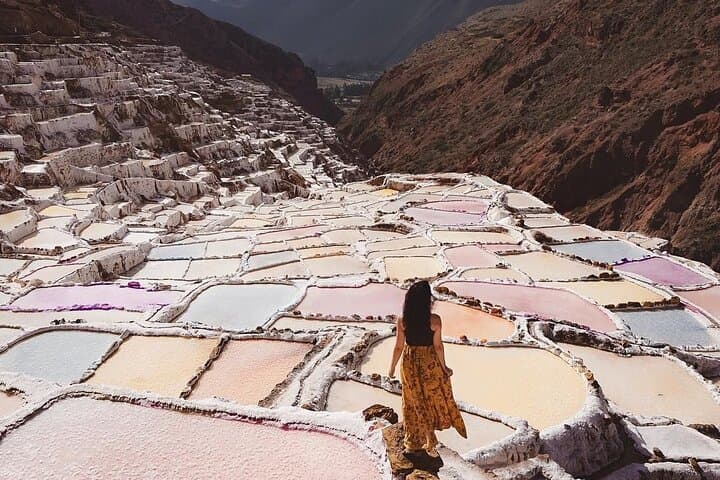
The trail opens with a dawn train slice through the Sacred Valley, the river daring you to keep pace as terraces slide past the carriage window. By KM 104 you step onto the last stretch of the Inka Trail: 12 km of stone steps, switchbacks and the scent of wet forest that pushes you upward toward the Sun Gate.
The trail opens with a dawn train slice through the Sacred Valley, the river daring you to keep pace as terraces slide past the carriage window. By KM 104 you step onto the last stretch of the Inka Trail: 12 km of stone steps, switchbacks and the scent of wet forest that pushes you upward toward the Sun Gate.
This short Inka Trail threads living history into landscape. Built by Inca road engineers, the route links agricultural terraces, waystations and fortress-ruins that sit above the Vilcanota (Urubamba) River. Geology here is raw: folded Andean lithosphere, steep-cut valleys and microclimates that let cloud forest and highland scrub coexist within a few hundred meters of vertical change.
Culture is immediate. Quechua-speaking communities tend llamas and weave in techniques unchanged for generations; markets in Ollantaytambo show those textiles and offer quinoa-based stews that fuel the walk. Arrive at Inti Punku at afternoon light and Machu Picchu unveils itself against forested ridges — stonework so precise you can still trace the mortar-free joins.
Practical edge: allow 48–72 hours to acclimatize in Cusco (3,400 m) before hiking; the short trail is moderate but steep and involves 4–6 hours of sustained effort. Permits for the Inka Trail are limited and sold in advance. Bring layered clothing, 2–3 liters of water, sturdy ankle-support boots, and rain protection even in the dry season. Overnight stays in Aguas Calientes mean options for dinner and hot springs; return by train through the valley to Cusco when the tour closes the loop.