THE ADVENTURE COLLECTIVE® · Independent discovery and booking for outdoor travel

A compact, permit-controlled version of the classic Inca Trail, this 2-day trek combines intense cloudforest hiking, the Winaywayna ruins, and the first breathtaking view of Machu Picchu from the Puerta del Sol. Ideal for travelers short on time who still want the trail experience with camping and a guided visit to the citadel.
A compact, permit-controlled version of the classic Inca Trail, this 2-day trek combines intense cloudforest hiking, the Winaywayna ruins, and the first breathtaking view of Machu Picchu from the Puerta del Sol. Ideal for travelers short on time who still want the trail experience with camping and a guided visit to the citadel.
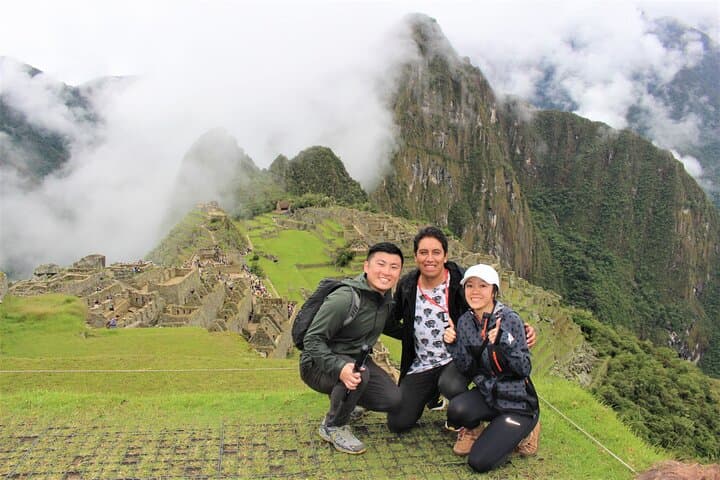
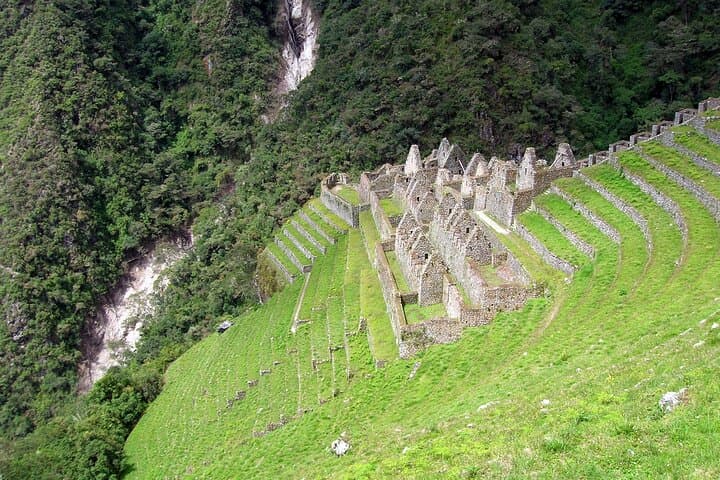
You leave Cusco before dawn: a sleepy hotel pickup at 4 a.m., a highland train that threads river valleys, and then the rail-side drop at Km 104 where the trail takes over. The first steps are in cloudforest—humid air, bromeliads clinging to stone, and the steady rhythm of boots on ancient Inca steps. After a serrated climb past Winaywayna, the trail crests at the Puerta del Sol and Machu Picchu appears, sitting like a engineered dream between ridges.
Verified experiences and guided adventures in the surrounding area.
Operated by Peru4Fun Servicios Turísticos EIRL · Aguas Calientes (Machu Picchu Pueblo), Cusco
You leave Cusco before dawn: a sleepy hotel pickup at 4 a.m., a highland train that threads river valleys, and then the rail-side drop at Km 104 where the trail takes over. The first steps are in cloudforest—humid air, bromeliads clinging to stone, and the steady rhythm of boots on ancient Inca steps. After a serrated climb past Winaywayna, the trail crests at the Puerta del Sol and Machu Picchu appears, sitting like a engineered dream between ridges.
This short trek follows a protected segment of the larger Inca Trail that once connected settlements along the Urubamba. The stonework underfoot is predominantly granite and schist sculpted by the Incas, with terraces and water channels that reflect a deep practical knowledge of mountain agriculture and hydrology. Locally, Quechua-speaking communities still maintain craft and culinary traditions—expect coca tea and anecdotes from your bilingual guide.
Practical guidance matters here: the first day covers about 15 km with roughly 720 m of ascent to 2,720 m at the Sun Gate; camps sit near 1,900–2,000 m. The itinerary mixes steep staircases, single-track forest, and well-preserved stone Inca causeways. Permit-controlled access and guided groups make logistics simple but bring ID and your printed or mobile permit.
Plan for variable weather—hot and humid in shaded valleys, sudden showers at higher points. Hydrate and pace your ascent to manage altitude; comfortable, broken-in hiking shoes, layered clothing, and a lightweight daypack will keep you moving. The reward is compact: a dawn exploration of Machu Picchu the following morning with a two-hour guided circuit before returning by train to the Sacred Valley and Cusco.
moderate.
2 days (overnight).
Requires good aerobic fitness for sustained uphill sections and stair climbing; some prior trekking experience helpful
Yes—this route uses a permit-controlled section of the Inca Trail and entry to Machu Picchu; tours include permits and admissions.
The route is shorter than the classic four-day trek but includes steep sections and altitude; it's suited to fit beginners who acclimatize in Cusco first.
Guided packages typically provide porters or arranged transport for group camping gear and limited personal luggage—confirm weight limits before packing.
Some operators offer options; this specific itinerary includes camping the first night and a guided visit to Machu Picchu the next morning—ask about alternatives when booking.
The Inca Trail is part of a broader pre-Columbian road network; many stone paths and terraces along the route are original Inca construction adapted to the steep terrain.
Visitor numbers are regulated by permit caps to protect fragile archaeological sites and cloudforest; follow leave-no-trace practices and stick to marked paths.
Peru4Fun Servicios Turísticos EIRL operates guided outdoor trips and adventures with an emphasis on safety, stewardship, and memorable experiences.
You leave Cusco before dawn: a sleepy hotel pickup at 4 a.m., a highland train that threads river valleys, and then the rail-side drop at Km 104 where the trail takes over. The first steps are in cloudforest—humid air, bromeliads clinging to stone, and the steady rhythm of boots on ancient Inca steps. After a serrated climb past Winaywayna, the trail crests at the Puerta del Sol and Machu Picchu appears, sitting like a engineered dream between ridges.
You leave Cusco before dawn: a sleepy hotel pickup at 4 a.m., a highland train that threads river valleys, and then the rail-side drop at Km 104 where the trail takes over. The first steps are in cloudforest—humid air, bromeliads clinging to stone, and the steady rhythm of boots on ancient Inca steps. After a serrated climb past Winaywayna, the trail crests at the Puerta del Sol and Machu Picchu appears, sitting like a engineered dream between ridges.
This short trek follows a protected segment of the larger Inca Trail that once connected settlements along the Urubamba. The stonework underfoot is predominantly granite and schist sculpted by the Incas, with terraces and water channels that reflect a deep practical knowledge of mountain agriculture and hydrology. Locally, Quechua-speaking communities still maintain craft and culinary traditions—expect coca tea and anecdotes from your bilingual guide.
Practical guidance matters here: the first day covers about 15 km with roughly 720 m of ascent to 2,720 m at the Sun Gate; camps sit near 1,900–2,000 m. The itinerary mixes steep staircases, single-track forest, and well-preserved stone Inca causeways. Permit-controlled access and guided groups make logistics simple but bring ID and your printed or mobile permit.
Plan for variable weather—hot and humid in shaded valleys, sudden showers at higher points. Hydrate and pace your ascent to manage altitude; comfortable, broken-in hiking shoes, layered clothing, and a lightweight daypack will keep you moving. The reward is compact: a dawn exploration of Machu Picchu the following morning with a two-hour guided circuit before returning by train to the Sacred Valley and Cusco.