THE ADVENTURE COLLECTIVE® · Independent discovery and booking for outdoor travel

A compact yet demanding route, the Short Inca Trail from KM104 delivers rainforest walking, ridge-top Inca sites like Wiñay Wayna, and a sunrise approach to Machu Picchu. Perfect for travelers short on time who still want the trail experience with guided logistics handled.
A compact yet demanding route, the Short Inca Trail from KM104 delivers rainforest walking, ridge-top Inca sites like Wiñay Wayna, and a sunrise approach to Machu Picchu. Perfect for travelers short on time who still want the trail experience with guided logistics handled.
Dawn breaks on the tracks between Cusco and the Sacred Valley, and the train threads a green throat of cloud forest that smells of wet earth and orchids. At KM104 you step onto the Short Inca Trail: a stone stairway carved into the mountainside that pulls you upward through ferns, orchids and archaeological niches. The trail narrows, bird calls cut the air, and the ruins of Wiñay Wayna appear like a folded page of history clinging to the slope.
Verified experiences and guided adventures in the surrounding area.
Operated by Machupicchu Inka Trek · Machu Picchu (Aguas Calientes), Cusco Region
Dawn breaks on the tracks between Cusco and the Sacred Valley, and the train threads a green throat of cloud forest that smells of wet earth and orchids. At KM104 you step onto the Short Inca Trail: a stone stairway carved into the mountainside that pulls you upward through ferns, orchids and archaeological niches. The trail narrows, bird calls cut the air, and the ruins of Wiñay Wayna appear like a folded page of history clinging to the slope.
The itinerary follows the same engineered lines the Inca used to connect settlements and ceremonial sites—terraced agriculture, finely cut stone, and strategically sited temples tied to solar observation. Geologically the route runs along steep granitic slopes above the Urubamba River, where erosion has left dramatic cliffs and sheltered microclimates. Local Quechua guides explain agricultural practices, cosmology and the imperial logistics of the empire.
Practical guide: this is a strenuous day of steep stairs and high-altitude walking—expect 8–12 km with significant elevation change up to roughly 2,400–2,700 m on the trail segments. Start early to avoid crowds at the Sun Gate (Puerta del Sol) and bring layered clothing, waterproofs and plenty of water; the weather swings fast. Trains and park entry are included on organized departures, but permits are controlled—book in advance.
Leave no trace: stick to designated paths, carry out waste, and follow guide instructions inside Machu Picchu. When the clouds lift over the citadel, the place seems to breathe; the ruins demand respectful quiet and careful feet so they can endure for the next generation.
moderate.
14 hours (split over 2 days).
Moderate fitness required: able to hike several hours on steep stone steps at altitude and handle uneven terrain.
Yes—access to the Short Inca Trail and Machu Picchu requires timed entry tickets; organized tours typically include these permits and train tickets.
The route is steep with many stone steps; beginners with good fitness and acclimatization can complete it, but pace yourself and use poles if needed.
Most organized excursions include round-trip train transport, local transfers, a professional guide, and park entrance; check the specific tour inclusions before booking.
Huayna Picchu requires a separate early ticket with limited availability; on short-trail packages it’s sometimes possible but must be reserved in advance.
Machu Picchu was built in the 15th century by the Inca as an administrative and ceremonial center linked to Cusco and the Sacred Valley’s agricultural network.
Visitor numbers are managed through timed entries and guided routes; stay on trails and follow guide instructions to reduce erosion and protect fragile archaeological features.
Machupicchu Inka Trek operates guided outdoor trips and adventures with an emphasis on safety, stewardship, and memorable experiences.
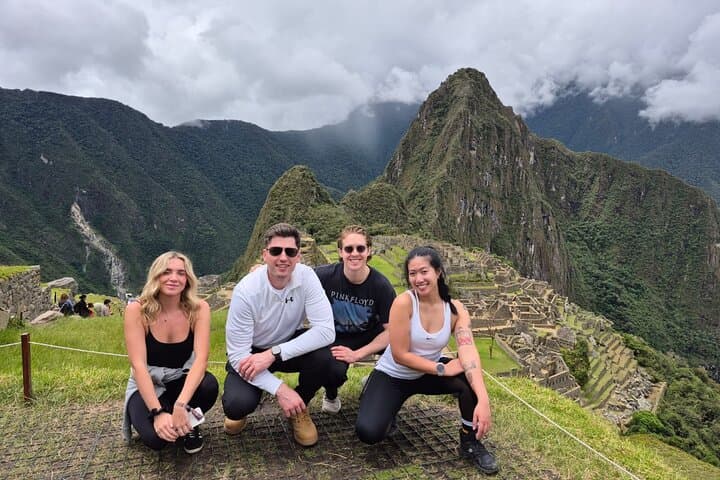
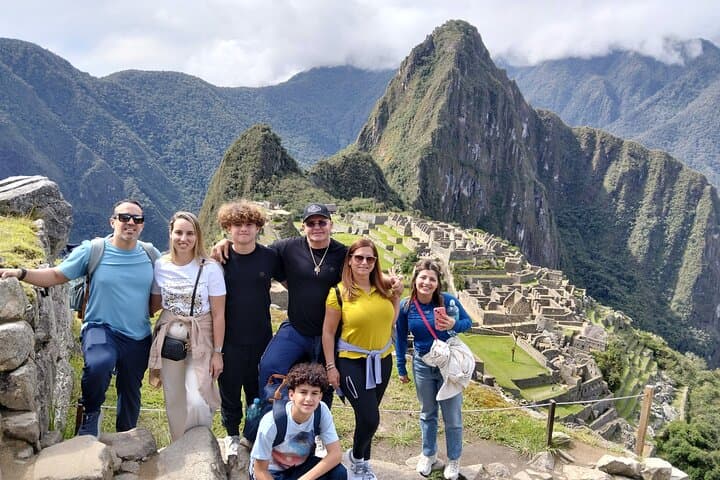
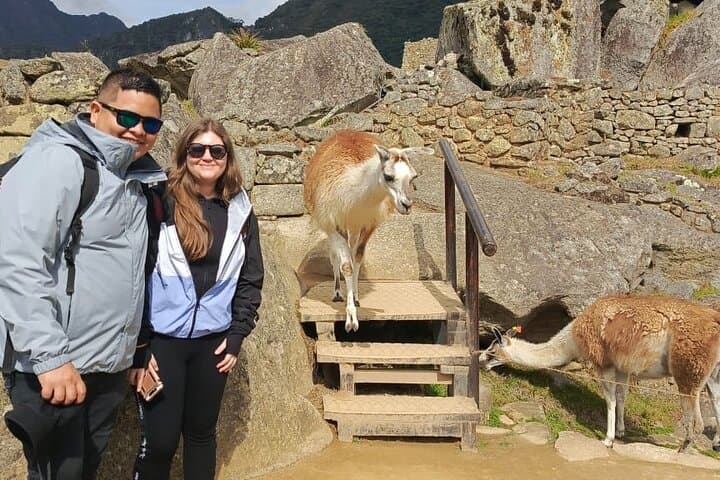

Dawn breaks on the tracks between Cusco and the Sacred Valley, and the train threads a green throat of cloud forest that smells of wet earth and orchids. At KM104 you step onto the Short Inca Trail: a stone stairway carved into the mountainside that pulls you upward through ferns, orchids and archaeological niches. The trail narrows, bird calls cut the air, and the ruins of Wiñay Wayna appear like a folded page of history clinging to the slope.
Dawn breaks on the tracks between Cusco and the Sacred Valley, and the train threads a green throat of cloud forest that smells of wet earth and orchids. At KM104 you step onto the Short Inca Trail: a stone stairway carved into the mountainside that pulls you upward through ferns, orchids and archaeological niches. The trail narrows, bird calls cut the air, and the ruins of Wiñay Wayna appear like a folded page of history clinging to the slope.
The itinerary follows the same engineered lines the Inca used to connect settlements and ceremonial sites—terraced agriculture, finely cut stone, and strategically sited temples tied to solar observation. Geologically the route runs along steep granitic slopes above the Urubamba River, where erosion has left dramatic cliffs and sheltered microclimates. Local Quechua guides explain agricultural practices, cosmology and the imperial logistics of the empire.
Practical guide: this is a strenuous day of steep stairs and high-altitude walking—expect 8–12 km with significant elevation change up to roughly 2,400–2,700 m on the trail segments. Start early to avoid crowds at the Sun Gate (Puerta del Sol) and bring layered clothing, waterproofs and plenty of water; the weather swings fast. Trains and park entry are included on organized departures, but permits are controlled—book in advance.
Leave no trace: stick to designated paths, carry out waste, and follow guide instructions inside Machu Picchu. When the clouds lift over the citadel, the place seems to breathe; the ruins demand respectful quiet and careful feet so they can endure for the next generation.