THE ADVENTURE COLLECTIVE® · Independent discovery and booking for outdoor travel

A compact, two-day hike from KM 104 to Machu Picchu that merges cloud-forest walking with Inca stonework and a sunrise arrival at the Sun Gate. Ideal for travelers who want the classic trail experience on a tighter schedule.
A compact, two-day hike from KM 104 to Machu Picchu that merges cloud-forest walking with Inca stonework and a sunrise arrival at the Sun Gate. Ideal for travelers who want the classic trail experience on a tighter schedule.
Dawn arrives as a thin mist clings to the Urubamba valley and the train slows to kilometer 104 — the trailhead where a two-day sprint through cloud forest and Inca engineering begins.
Verified experiences and guided adventures in the surrounding area.
Operated by Machu Picchu Peru Tours · Cusco, Cusco Region
Dawn arrives as a thin mist clings to the Urubamba valley and the train slows to kilometer 104 — the trailhead where a two-day sprint through cloud forest and Inca engineering begins.
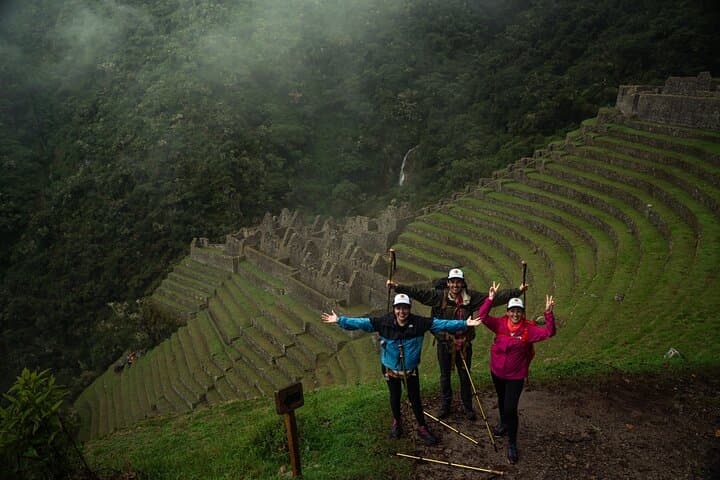
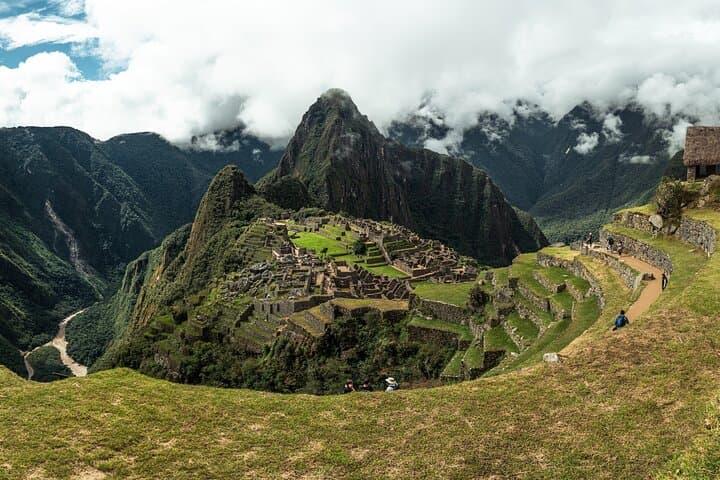
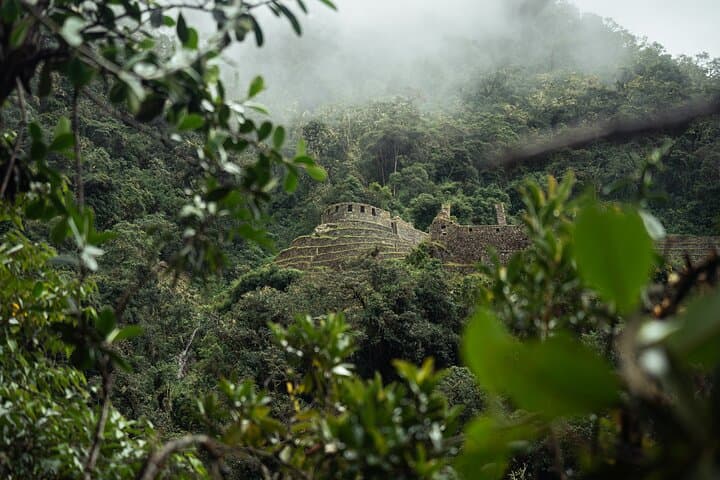
On day one the path threads past Chachabamba’s stone platforms and climbs through steep terraces and mossed stairways toward Wiñay Wayna, a late-afternoon arrival that offers the first high, green shelf before the Sun Gate reveal. At Inti Punku the valley opens: Machu Picchu’s terraces and temples sit below, shaped by centuries of stonework and the river’s below-sheer cut.
The route follows the same corridors used by Inca runners and pilgrims, crossing zones where tectonic uplift and erosion carved narrow ridges between cloud forest and the Urubamba gorge. Along the way the influence of Quechua agriculture is visible in potato varieties and terrace profiles, and local guides unpack stories of Inca astronomy and ritual tied to the peaks.
Practicalities shape the experience: permits are limited and the climb includes long stone staircases and uneven trails at altitude, so acclimatize in Cusco before you go. Day one ends in Aguas Calientes with a hot meal; day two starts early with a bus ride up to the citadel for a guided tour and time to explore the terraces and plazas.
Plan for layered clothing, steady boots, and 6–8 liters of water per day; carry your passport for entrance. Expect strong sun, sudden rain, lots of stairs, and unforgettable viewpoints — an intense, compact way to reach one of the world’s most storied archaeological sites.
challenging.
2 days.
Moderate to strong cardiovascular fitness with stair-climbing endurance; prior multi-hour hikes help.
Yes — Inca Trail permits are limited and tied to confirmed bookings; the tour operator handles permits but requires passport details in advance.
The short trail condenses distance and elevation change into one long trekking day with steep stone steps—it's more intense per day but skips remote camping logistics.
No — this short itinerary includes one night’s accommodation in Aguas Calientes, not camping on the trail.
Acclimatize in Cusco, stay hydrated, avoid alcohol before the trek, and consult a doctor about preventive medication if you have strong susceptibility.
The Inca Trail formed part of a larger network of royal and ritual roads connecting Cusco to mountain sanctuaries; many stone steps and terraces visible today are preserved sections of that network.
Access is limited by permit quotas and seasonality to protect fragile trails and archaeological sites; follow Leave No Trace principles and stay on designated paths to reduce erosion and impact.
Machu Picchu Peru Tours operates guided outdoor trips and adventures with an emphasis on safety, stewardship, and memorable experiences.
Dawn arrives as a thin mist clings to the Urubamba valley and the train slows to kilometer 104 — the trailhead where a two-day sprint through cloud forest and Inca engineering begins.
Dawn arrives as a thin mist clings to the Urubamba valley and the train slows to kilometer 104 — the trailhead where a two-day sprint through cloud forest and Inca engineering begins.
On day one the path threads past Chachabamba’s stone platforms and climbs through steep terraces and mossed stairways toward Wiñay Wayna, a late-afternoon arrival that offers the first high, green shelf before the Sun Gate reveal. At Inti Punku the valley opens: Machu Picchu’s terraces and temples sit below, shaped by centuries of stonework and the river’s below-sheer cut.
The route follows the same corridors used by Inca runners and pilgrims, crossing zones where tectonic uplift and erosion carved narrow ridges between cloud forest and the Urubamba gorge. Along the way the influence of Quechua agriculture is visible in potato varieties and terrace profiles, and local guides unpack stories of Inca astronomy and ritual tied to the peaks.
Practicalities shape the experience: permits are limited and the climb includes long stone staircases and uneven trails at altitude, so acclimatize in Cusco before you go. Day one ends in Aguas Calientes with a hot meal; day two starts early with a bus ride up to the citadel for a guided tour and time to explore the terraces and plazas.
Plan for layered clothing, steady boots, and 6–8 liters of water per day; carry your passport for entrance. Expect strong sun, sudden rain, lots of stairs, and unforgettable viewpoints — an intense, compact way to reach one of the world’s most storied archaeological sites.