THE ADVENTURE COLLECTIVE® · Independent discovery and booking for outdoor travel

Short on time but want the Inca Trail experience? This two-day trek from Cusco reaches Wiñay Wayna and the Sun Gate for a first glimpse of Machu Picchu, with an overnight in Aguas Calientes and a sunrise tour the next morning.
Short on time but want the Inca Trail experience? This two-day trek from Cusco reaches Wiñay Wayna and the Sun Gate for a first glimpse of Machu Picchu, with an overnight in Aguas Calientes and a sunrise tour the next morning.
Steam rises from the valley as the early train threads the Urubamba Gorge toward Km 104, where the trail waits like an old doorway. Hikers step off the rails into cloud forest—moss-limbed trees, orchids clinging to stone, and a path that angles upward through Inca-cut stairways. The first day is a sustained uphill of roughly four hours to Wiñay Wayna (≈2,700 m/8,850 ft), a compact complex of terraces and waterworks that shows the engineering the Incas left behind.
Verified experiences and guided adventures in the surrounding area.
Operated by Machupicchu USA · Aguas Calientes, Cusco
Steam rises from the valley as the early train threads the Urubamba Gorge toward Km 104, where the trail waits like an old doorway. Hikers step off the rails into cloud forest—moss-limbed trees, orchids clinging to stone, and a path that angles upward through Inca-cut stairways. The first day is a sustained uphill of roughly four hours to Wiñay Wayna (≈2,700 m/8,850 ft), a compact complex of terraces and waterworks that shows the engineering the Incas left behind.
The route continues along the classic Inca Trail toward Inti Punku (Sun Gate, ≈2,730 m/8,960 ft), which frames the first full view of Machu Picchu (≈2,430 m/7,970 ft). Geology here is sharp: eroded volcanic rock and steep ridgelines carved by the Urubamba River, while Quechua heritage threads through local markets and towns like Aguas Calientes.
Travelers spend the night in Aguas Calientes (≈2,000 m/6,560 ft) and return at dawn by bus for a guided tour of Machu Picchu’s central plazas and temples. Wayna Picchu is optional but requires advance tickets and adds a strenuous 90-minute ascent.
Practical edge: acclimatize in Cusco for 24–48 hours, carry 2–3 liters of water, and wear grippy boots for stone steps. Expect variable weather—sun, mist, and sudden rain—and plan layers. Guide-led logistics include train and bus transfers, one hotel night, meals, and oxygen/first-aid support. The two-day itinerary compresses the classic experience for travelers short on time while delivering the essential history, scenery, and sunrise reveal at the Sun Gate.
moderate.
2 days (approx. 8–10 hours hiking total).
Suitable for hikers with moderate fitness and comfort on uneven stone steps; prior altitude exposure helpful
Yes. A current valid passport is required on the day of travel and must match your ticket information.
Yes, but Wayna Picchu requires a separate, limited ticket that should be pre-purchased—your operator can advise availability.
Expect about four hours of uphill walking on stone and dirt trails with intermittent Inca steps; moderate fitness and steady pacing make it manageable.
Cusco is higher than the trail; spend a day or two in Cusco to acclimatize, stay hydrated, avoid alcohol, and tell guides if symptoms occur—oxygen and first-aid are typically available.
The Inca Trail was a maintenance and pilgrimage route linking important sites; terraces, stairways and water channels reflect integrated engineering and sacred landscape planning.
High foot traffic has pushed strict permit systems and limits on trail access; stick to paths, avoid littering, and support local conservation fees when possible.
Machupicchu USA operates guided outdoor trips and adventures with an emphasis on safety, stewardship, and memorable experiences.
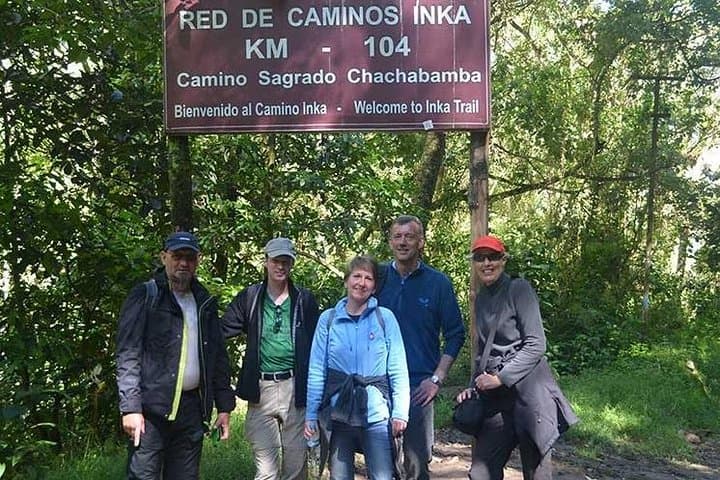
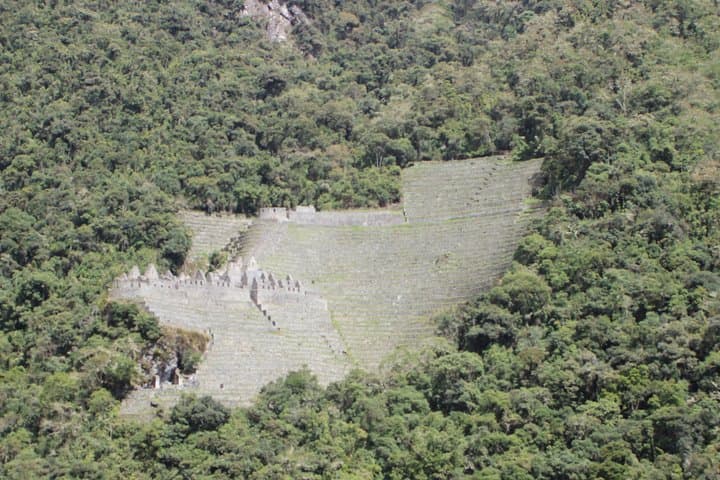
Steam rises from the valley as the early train threads the Urubamba Gorge toward Km 104, where the trail waits like an old doorway. Hikers step off the rails into cloud forest—moss-limbed trees, orchids clinging to stone, and a path that angles upward through Inca-cut stairways. The first day is a sustained uphill of roughly four hours to Wiñay Wayna (≈2,700 m/8,850 ft), a compact complex of terraces and waterworks that shows the engineering the Incas left behind.
Steam rises from the valley as the early train threads the Urubamba Gorge toward Km 104, where the trail waits like an old doorway. Hikers step off the rails into cloud forest—moss-limbed trees, orchids clinging to stone, and a path that angles upward through Inca-cut stairways. The first day is a sustained uphill of roughly four hours to Wiñay Wayna (≈2,700 m/8,850 ft), a compact complex of terraces and waterworks that shows the engineering the Incas left behind.
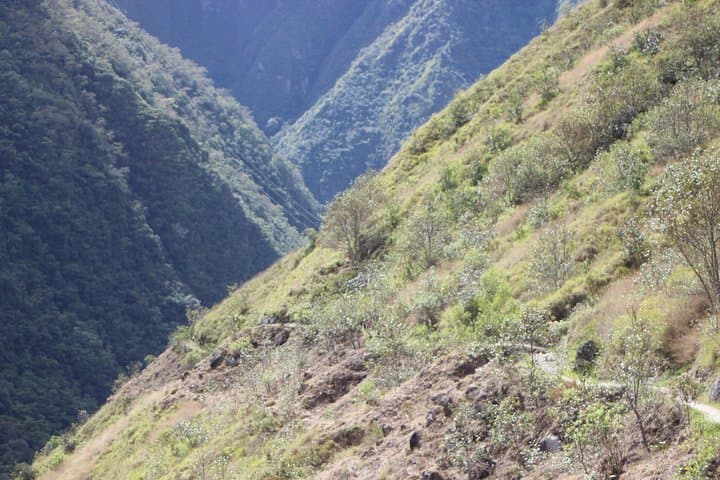
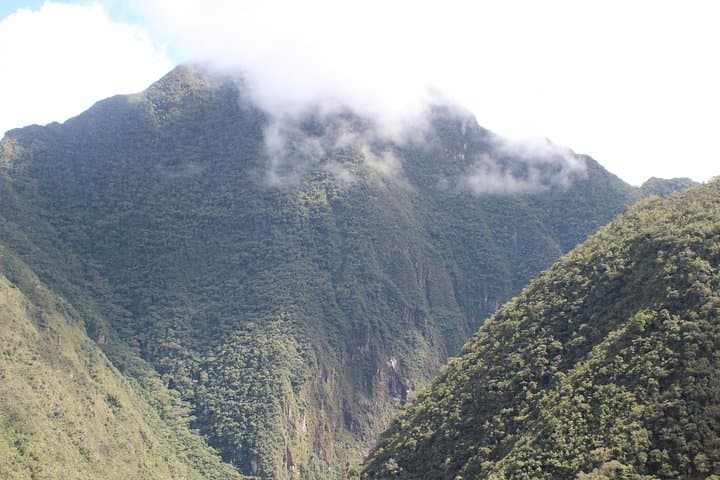
The route continues along the classic Inca Trail toward Inti Punku (Sun Gate, ≈2,730 m/8,960 ft), which frames the first full view of Machu Picchu (≈2,430 m/7,970 ft). Geology here is sharp: eroded volcanic rock and steep ridgelines carved by the Urubamba River, while Quechua heritage threads through local markets and towns like Aguas Calientes.
Travelers spend the night in Aguas Calientes (≈2,000 m/6,560 ft) and return at dawn by bus for a guided tour of Machu Picchu’s central plazas and temples. Wayna Picchu is optional but requires advance tickets and adds a strenuous 90-minute ascent.
Practical edge: acclimatize in Cusco for 24–48 hours, carry 2–3 liters of water, and wear grippy boots for stone steps. Expect variable weather—sun, mist, and sudden rain—and plan layers. Guide-led logistics include train and bus transfers, one hotel night, meals, and oxygen/first-aid support. The two-day itinerary compresses the classic experience for travelers short on time while delivering the essential history, scenery, and sunrise reveal at the Sun Gate.