THE ADVENTURE COLLECTIVE® · Independent discovery and booking for outdoor travel

Cover the classic final stretch of the Inca Trail in two days: hike from Km 104 past Chachabamba and Wiñay Wayna, watch the sunrise at the Sun Gate and tour Machu Picchu. This short route packs archaeological highlights and high-altitude scenery into a weekend-friendly trek.
Cover the classic final stretch of the Inca Trail in two days: hike from Km 104 past Chachabamba and Wiñay Wayna, watch the sunrise at the Sun Gate and tour Machu Picchu. This short route packs archaeological highlights and high-altitude scenery into a weekend-friendly trek.
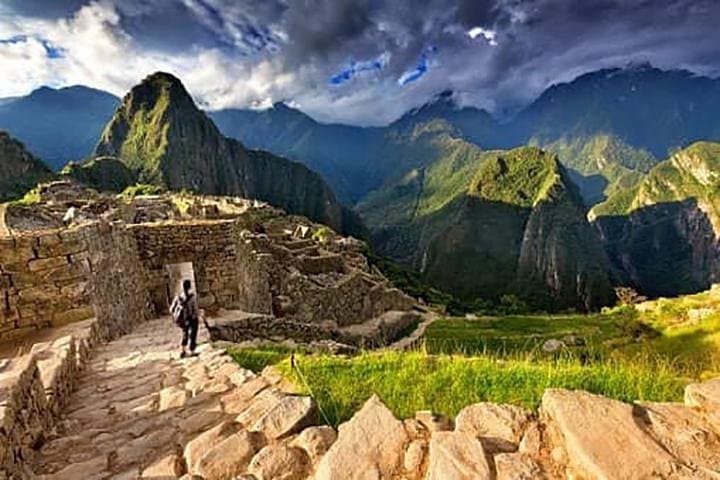
You step off the train at Km 104 into cloud-sheared air and a stone stairway that seems to fold the mountains toward the sky. The Urubamba River rumbles below, daring you to look away as the trail climbs through humid montane forest, past orchids clinging to mossy walls and terraces that trace centuries of human hands.
Verified experiences and guided adventures in the surrounding area.
Operated by Machu Picchu Peru Travel · Aguas Calientes, Cusco
You step off the train at Km 104 into cloud-sheared air and a stone stairway that seems to fold the mountains toward the sky. The Urubamba River rumbles below, daring you to look away as the trail climbs through humid montane forest, past orchids clinging to mossy walls and terraces that trace centuries of human hands.
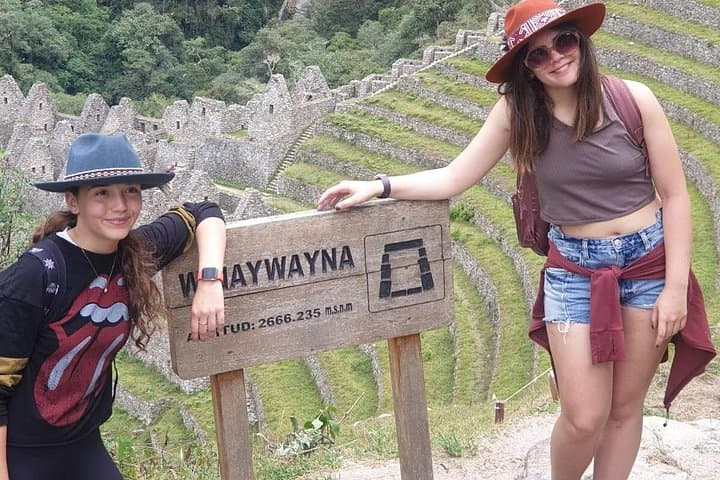
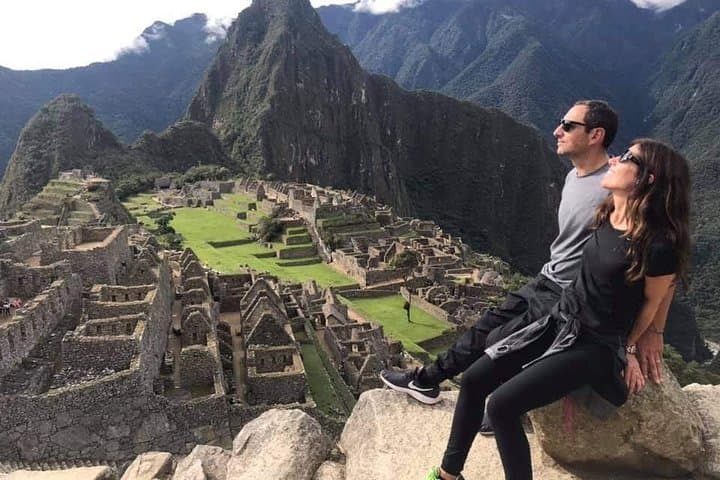
This two-day itinerary follows the final stretch of the Inca Trail, passing Chachabamba (≈2250 m), the living terraces of Wiñay Wayna (≈2650 m) and the crest of Inti Punku, the Sun Gate, where the first view of Machu Picchu unfolds at 2490 m. The trail uses ancient Inca stonework—stairs and switchbacks hewn to withstand rain and time—and threads a landscape shaped by Andean uplift and river incision.
Culturally the route is intimate: you’ll hear Quechua place names, learn agricultural logic in stepped fields, and visit small archaeological sites that predate Spanish contact. Guides typically combine natural history, trail logistics and site interpretation.
Practical note: the hike is moderate—expect roughly 10–12 km of hiking on day one with 400–700 m of cumulative ascent across uneven stone sections; day two is shorter with an early ascent to Machu Picchu and a guided tour. Bring layered clothing, good hiking boots, a rain shell, water and snacks; altitude and sudden weather shifts are the primary considerations. Trains and buses book fast—confirm permits and tickets in advance. With a balance of scenery, archaeology and manageable effort, the short Inca Trail delivers a concentrated Andean experience in two days.
moderate.
2 days (approx. 6–8 hours hiking day 1, 2–3 hours day 2).
Moderate cardio fitness and comfort on uneven, steep stone steps; prepare with hill walks and stair training.
It’s less demanding—shorter distance and one overnight—yet still includes steep stone stairs and high-elevation sections; it’s suitable for hikers with moderate fitness.
Yes—access is regulated and requires a permit tied to your passport; book through authorized operators well in advance.
No services on the trail itself; pack water and snacks for day one and rely on Aguas Calientes for meals after arrival.
Acclimatize in Cusco for 1–2 days, stay hydrated, move slowly on the hike, and carry basic meds; severe symptoms require descent and medical attention.
The trail follows an engineered Inca route that connected highland communities to Machu Picchu; Inti Punku served as the traditional arrival point for visitors approaching the citadel.
Visitor numbers are capped and permits are required to reduce trail erosion and protect archaeological sites—stay on marked paths and pack out waste.
Machu Picchu Peru Travel operates guided outdoor trips and adventures with an emphasis on safety, stewardship, and memorable experiences.
You step off the train at Km 104 into cloud-sheared air and a stone stairway that seems to fold the mountains toward the sky. The Urubamba River rumbles below, daring you to look away as the trail climbs through humid montane forest, past orchids clinging to mossy walls and terraces that trace centuries of human hands.
You step off the train at Km 104 into cloud-sheared air and a stone stairway that seems to fold the mountains toward the sky. The Urubamba River rumbles below, daring you to look away as the trail climbs through humid montane forest, past orchids clinging to mossy walls and terraces that trace centuries of human hands.
This two-day itinerary follows the final stretch of the Inca Trail, passing Chachabamba (≈2250 m), the living terraces of Wiñay Wayna (≈2650 m) and the crest of Inti Punku, the Sun Gate, where the first view of Machu Picchu unfolds at 2490 m. The trail uses ancient Inca stonework—stairs and switchbacks hewn to withstand rain and time—and threads a landscape shaped by Andean uplift and river incision.
Culturally the route is intimate: you’ll hear Quechua place names, learn agricultural logic in stepped fields, and visit small archaeological sites that predate Spanish contact. Guides typically combine natural history, trail logistics and site interpretation.
Practical note: the hike is moderate—expect roughly 10–12 km of hiking on day one with 400–700 m of cumulative ascent across uneven stone sections; day two is shorter with an early ascent to Machu Picchu and a guided tour. Bring layered clothing, good hiking boots, a rain shell, water and snacks; altitude and sudden weather shifts are the primary considerations. Trains and buses book fast—confirm permits and tickets in advance. With a balance of scenery, archaeology and manageable effort, the short Inca Trail delivers a concentrated Andean experience in two days.