THE ADVENTURE COLLECTIVE® · Independent discovery and booking for outdoor travel

A compact, historic hike that condenses the classic Inca Trail into a two-day route from Km 104 to Machu Picchu. Expect stone staircases, cloud-forest orchids, and a sunrise at the Sungate before entering the citadel.
A compact, historic hike that condenses the classic Inca Trail into a two-day route from Km 104 to Machu Picchu. Expect stone staircases, cloud-forest orchids, and a sunrise at the Sungate before entering the citadel.
Dawn arrives over the Urubamba River and the train slows at Km 104 — the Andes breathe around you and the trail pulls you into cloud forest. The path climbs on stone staircases and Inca steps, orchids brush the trail, and the river below dares you to keep moving toward the Sungate and the first full view of Machu Picchu.
Verified experiences and guided adventures in the surrounding area.
Operated by South America Exploor · Aguas Calientes, Cusco Region
Dawn arrives over the Urubamba River and the train slows at Km 104 — the Andes breathe around you and the trail pulls you into cloud forest. The path climbs on stone staircases and Inca steps, orchids brush the trail, and the river below dares you to keep moving toward the Sungate and the first full view of Machu Picchu.
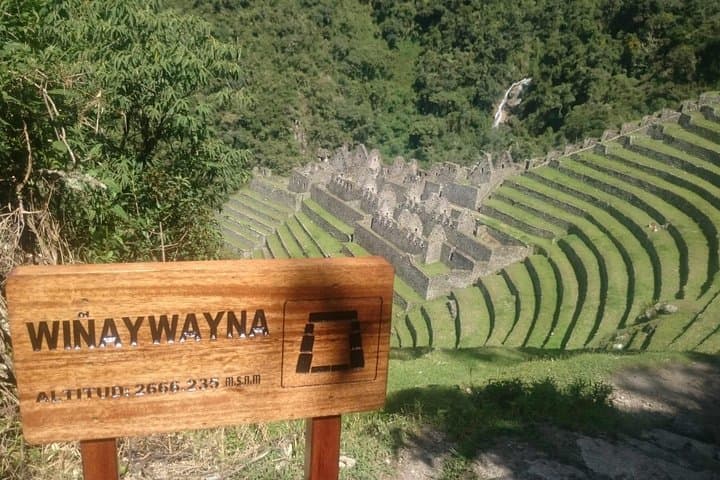
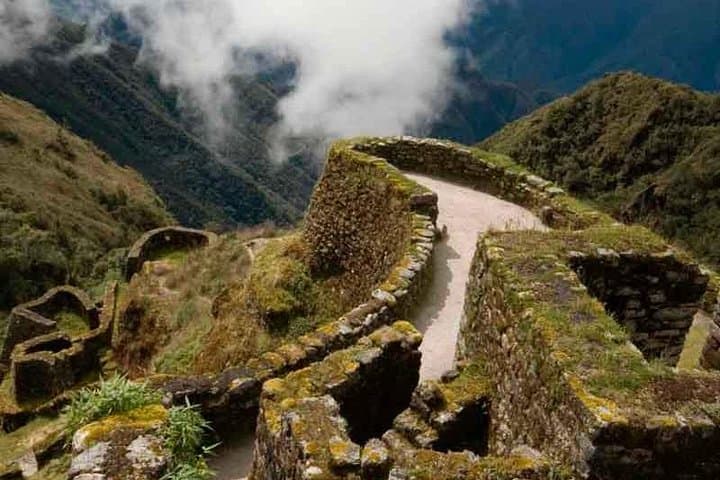
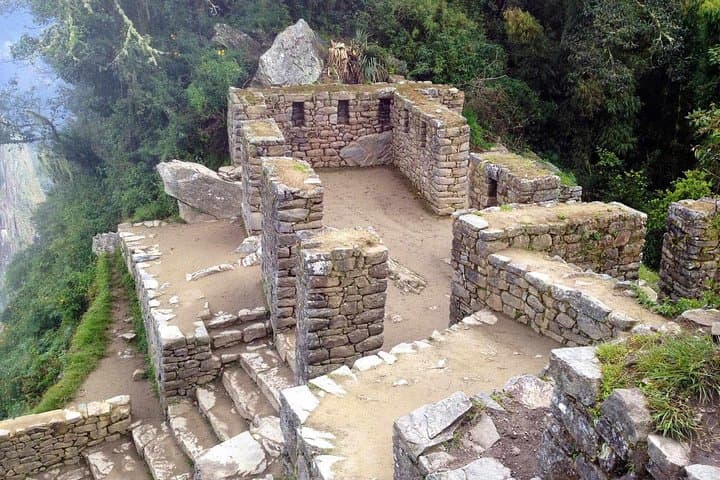
The short Inca Trail follows original stone causeways built by the Incas, crossing terraces and archaeological sites such as Chachabamba and Wiñaywayna. Geologically, the route runs along steep flanks carved by the Urubamba; expect wet, moss-covered stone and immediate elevation shifts from ~2,200 m at Km 104 to roughly 2,720 m at Inti Punku, then descending to Machu Picchu at 2,490 m. Culturally, the trail threads Quechua history and agricultural engineering — the terraces and irrigation reflect centuries of Andean land use.
Practically, the trek covers roughly 10–12 km of uneven stone, stairs and single-track, with ~500 m of net ascent depending on options and many short, steep sections. Plan for damp conditions and rapid weather swings; start early, carry sun protection and a rain layer, and move at a steady, conservative pace. The tour typically includes a train to Km 104, one night in Aguas Calientes, a sunrise visit to Machu Picchu, and guided interpretation. Hydrate, use trekking poles for descents, and allow extra time at Inti Punku for the first panoramic view — that is the payoff for the climb.
moderate.
8–12 hours over 2 days (active hiking periods ~6–8 hours).
Moderate aerobic fitness with experience on uneven trails and stairs; ability to hike 4–6 hours with breaks.
Yes — you must show original passport or national ID at checkpoints and to enter Machu Picchu.
Yes — elevations reach ~2,700 m; acclimatize in Cusco (3,400 m) for at least 48 hours, hydrate, and move at a conservative pace.
Huayna Picchu requires a separate permit and extra fee; arrange in advance if you want to add the climb during your free time in Machu Picchu.
Most include train tickets, transfers, one night in Aguas Calientes, guided Machu Picchu visit, some meals, and entry permits; check specifics before booking.
The short trail uses original Inca causeways and control points such as Inti Punku, reflecting the empire’s strategic access routes to Machu Picchu.
Visitor numbers are regulated by permits and timed entries to limit erosion; stick to paths, avoid feeding wildlife, and pack out waste to help protect the fragile cloud forest.
South America Exploor operates guided outdoor trips and adventures with an emphasis on safety, stewardship, and memorable experiences.
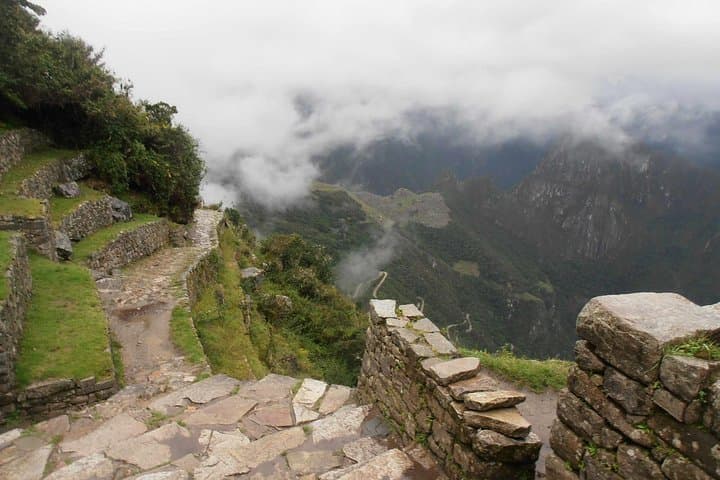
Dawn arrives over the Urubamba River and the train slows at Km 104 — the Andes breathe around you and the trail pulls you into cloud forest. The path climbs on stone staircases and Inca steps, orchids brush the trail, and the river below dares you to keep moving toward the Sungate and the first full view of Machu Picchu.
Dawn arrives over the Urubamba River and the train slows at Km 104 — the Andes breathe around you and the trail pulls you into cloud forest. The path climbs on stone staircases and Inca steps, orchids brush the trail, and the river below dares you to keep moving toward the Sungate and the first full view of Machu Picchu.
The short Inca Trail follows original stone causeways built by the Incas, crossing terraces and archaeological sites such as Chachabamba and Wiñaywayna. Geologically, the route runs along steep flanks carved by the Urubamba; expect wet, moss-covered stone and immediate elevation shifts from ~2,200 m at Km 104 to roughly 2,720 m at Inti Punku, then descending to Machu Picchu at 2,490 m. Culturally, the trail threads Quechua history and agricultural engineering — the terraces and irrigation reflect centuries of Andean land use.
Practically, the trek covers roughly 10–12 km of uneven stone, stairs and single-track, with ~500 m of net ascent depending on options and many short, steep sections. Plan for damp conditions and rapid weather swings; start early, carry sun protection and a rain layer, and move at a steady, conservative pace. The tour typically includes a train to Km 104, one night in Aguas Calientes, a sunrise visit to Machu Picchu, and guided interpretation. Hydrate, use trekking poles for descents, and allow extra time at Inti Punku for the first panoramic view — that is the payoff for the climb.