THE ADVENTURE COLLECTIVE® · Independent discovery and booking for outdoor travel

A concentrated version of the classic Inca Trail, this two-day route threads cloud forest, Inca ruins and a sunrise at Machu Picchu. Ideal for travelers short on time but keen on walking the original path to the Sun Gate.
A concentrated version of the classic Inca Trail, this two-day route threads cloud forest, Inca ruins and a sunrise at Machu Picchu. Ideal for travelers short on time but keen on walking the original path to the Sun Gate.
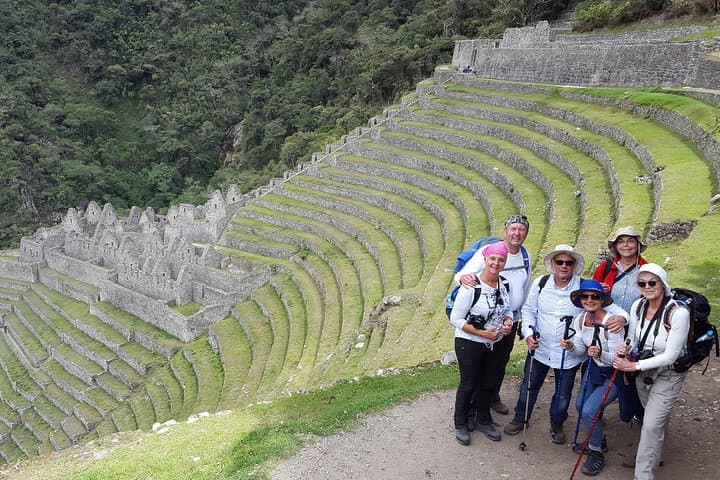
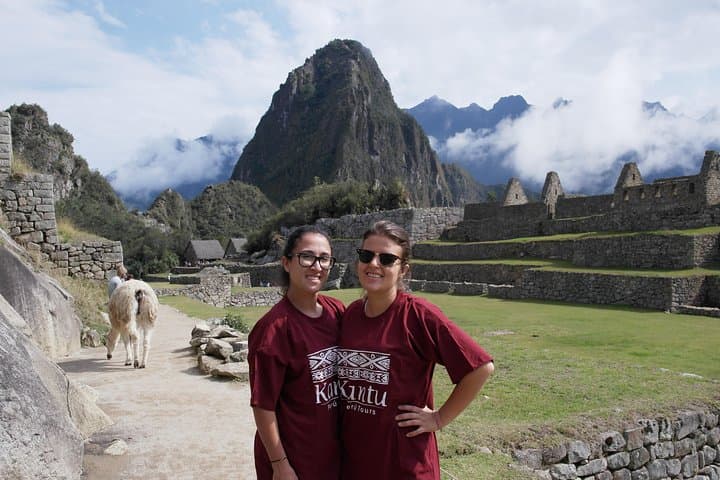
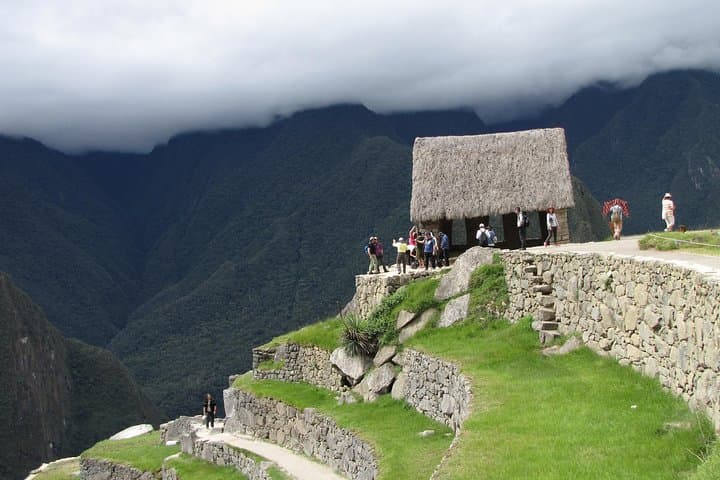
The morning air is thin and green as your minivan threads out of Cusco before dawn; by 6 a.m. you’re on a train slicing along the Urubamba, and at Km 104 the trail opens into cloud-tinged forest. The Short Inca Trail pushes you up through mossy stone stairways, orchid-lined slopes and the scattered ruins of Chachabamba before the walk tightens into the steep terraces leading to Winaywayna and, at last, the Sun Gate—your first angled view of Machu Picchu.
Verified experiences and guided adventures in the surrounding area.
Operated by Kantu Peru Tours · Aguas Calientes (Machupicchu Pueblo), Cusco
The morning air is thin and green as your minivan threads out of Cusco before dawn; by 6 a.m. you’re on a train slicing along the Urubamba, and at Km 104 the trail opens into cloud-tinged forest. The Short Inca Trail pushes you up through mossy stone stairways, orchid-lined slopes and the scattered ruins of Chachabamba before the walk tightens into the steep terraces leading to Winaywayna and, at last, the Sun Gate—your first angled view of Machu Picchu.
The route folds Inca engineering into a high-Andean landscape shaped by uplift and persistent rainfall. These trails were once artery routes of the Inca Empire, linking sacred sites and agricultural terraces; Winaywayna and Chachabamba still show the careful stonework and strategic siting that made the network durable.
Culture remains present in small ways: campesino agriculture below Ollantaytambo, local guides who narrate Quechua place names, and trains that trace centuries-old valley lines. Wildlife nudges the trail—hummingbirds flashing, spectacled bears reported higher on remote ridges.
Practical guidance: expect two full days with an overnight in Aguas Calientes at a modest hotel, carry your passport for park entry, and be ready for rapid weather shifts. The walking involves about 10–12 km of hiking on day one with several hundred meters of ascent and lots of stone steps; day two is an early bus to Machu Picchu and a guided circuit.
Hydrate for altitude, wear broken-in boots with good grip, and pack a waterproof shell. Timing matters: the trail is busiest in the dry season (May–September); start early to catch the Sun Gate light and avoid afternoon clouds.
moderate.
2 days.
Moderate fitness required: regular walkers comfortable with sustained uphill sections and stone steps will manage well
Yes—short-trail control checks passports and tickets at Km 104; your operator handles permits and provides the required documentation.
Expect roughly 10–12 km of walking on day one with several hundred meters of climbing up steps and terraces; the pace is steady but manageable for moderately fit hikers.
The tour includes one night in a 3-star hotel in Aguas Calientes; no camping is required on this itinerary.
Not recommended for travelers with serious cardiovascular issues, spinal injuries, or pregnancy; operators often require moderate fitness and medical clearance if in doubt.
The trail is a surviving fragment of the vast Inca road system that linked Cusco with sacred sites; Winaywayna and Chachabamba reflect imperial route planning and terrace agriculture.
Machu Picchu and the Inca Trail are tightly regulated; stick to marked paths, respect capacity limits, and avoid single-use plastics to reduce impact.
Kantu Peru Tours operates guided outdoor trips and adventures with an emphasis on safety, stewardship, and memorable experiences.
The morning air is thin and green as your minivan threads out of Cusco before dawn; by 6 a.m. you’re on a train slicing along the Urubamba, and at Km 104 the trail opens into cloud-tinged forest. The Short Inca Trail pushes you up through mossy stone stairways, orchid-lined slopes and the scattered ruins of Chachabamba before the walk tightens into the steep terraces leading to Winaywayna and, at last, the Sun Gate—your first angled view of Machu Picchu.
The morning air is thin and green as your minivan threads out of Cusco before dawn; by 6 a.m. you’re on a train slicing along the Urubamba, and at Km 104 the trail opens into cloud-tinged forest. The Short Inca Trail pushes you up through mossy stone stairways, orchid-lined slopes and the scattered ruins of Chachabamba before the walk tightens into the steep terraces leading to Winaywayna and, at last, the Sun Gate—your first angled view of Machu Picchu.
The route folds Inca engineering into a high-Andean landscape shaped by uplift and persistent rainfall. These trails were once artery routes of the Inca Empire, linking sacred sites and agricultural terraces; Winaywayna and Chachabamba still show the careful stonework and strategic siting that made the network durable.
Culture remains present in small ways: campesino agriculture below Ollantaytambo, local guides who narrate Quechua place names, and trains that trace centuries-old valley lines. Wildlife nudges the trail—hummingbirds flashing, spectacled bears reported higher on remote ridges.
Practical guidance: expect two full days with an overnight in Aguas Calientes at a modest hotel, carry your passport for park entry, and be ready for rapid weather shifts. The walking involves about 10–12 km of hiking on day one with several hundred meters of ascent and lots of stone steps; day two is an early bus to Machu Picchu and a guided circuit.
Hydrate for altitude, wear broken-in boots with good grip, and pack a waterproof shell. Timing matters: the trail is busiest in the dry season (May–September); start early to catch the Sun Gate light and avoid afternoon clouds.