THE ADVENTURE COLLECTIVE® · Independent discovery and booking for outdoor travel

Short on time but high on reward: this 2-day guided trek covers Chachabamba, Wiñay Wayna and the Sun Gate, delivering a sunrise entry to Machu Picchu. Expect steep Inca steps, cloud-forest ecology and a guided tour of the citadel.
Short on time but high on reward: this 2-day guided trek covers Chachabamba, Wiñay Wayna and the Sun Gate, delivering a sunrise entry to Machu Picchu. Expect steep Inca steps, cloud-forest ecology and a guided tour of the citadel.
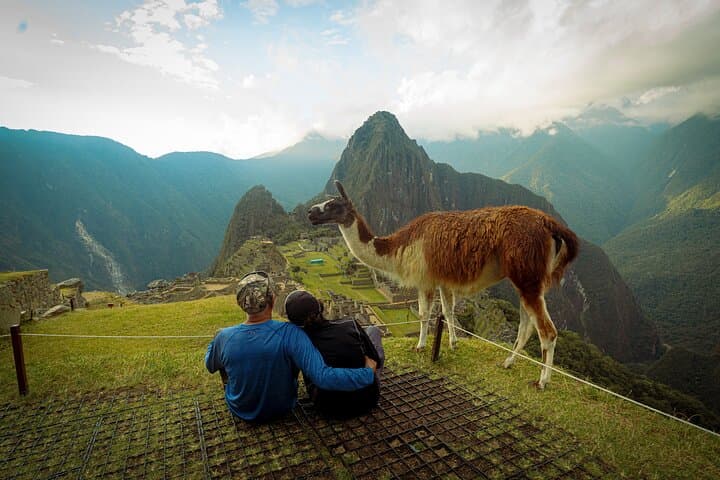
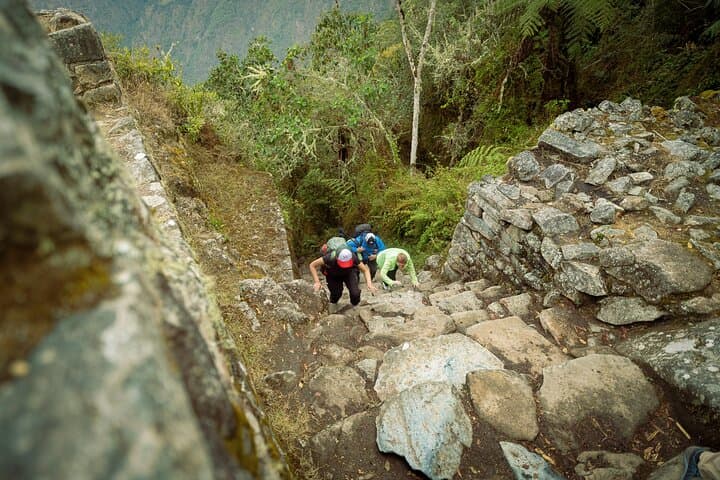
Before dawn a bus slides away from Cusco and the Sacred Valley blurs into shadow. By first light the train hums toward Km 104, and the trail opens into a mossy corridor of stone steps, orchids and bird calls. The Short Inca Trail compresses a classic approach to Machu Picchu into two days: an energetic day of walking through Chachabamba and Wiñay Wayna ruins, then an early-morning arrival at Inti Punku — the Gate of the Sun — with Machu Picchu spread below.
Verified experiences and guided adventures in the surrounding area.
Operated by Sakura Expedition · Aguas Calientes, Cusco
Before dawn a bus slides away from Cusco and the Sacred Valley blurs into shadow. By first light the train hums toward Km 104, and the trail opens into a mossy corridor of stone steps, orchids and bird calls. The Short Inca Trail compresses a classic approach to Machu Picchu into two days: an energetic day of walking through Chachabamba and Wiñay Wayna ruins, then an early-morning arrival at Inti Punku — the Gate of the Sun — with Machu Picchu spread below.
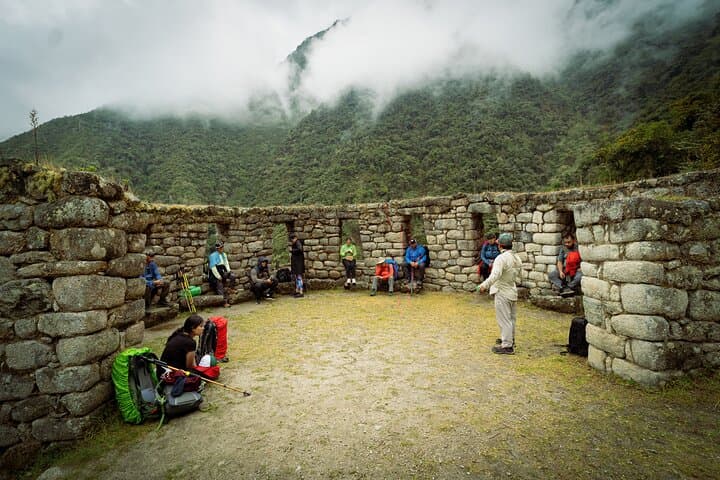
This route follows Inca-built causeways and agricultural terraces cut into steep cloud-forest slopes. The path is archaeological as much as natural: terraces and drainage channels show the Incas’ engineering to control erosion and microclimates. Culturally, the trail is a living route tied to pilgrimages and imperial communications; modern guides translate that history alongside geology — steep volcanic ridges and deeply incised river valleys carved by the Urubamba.
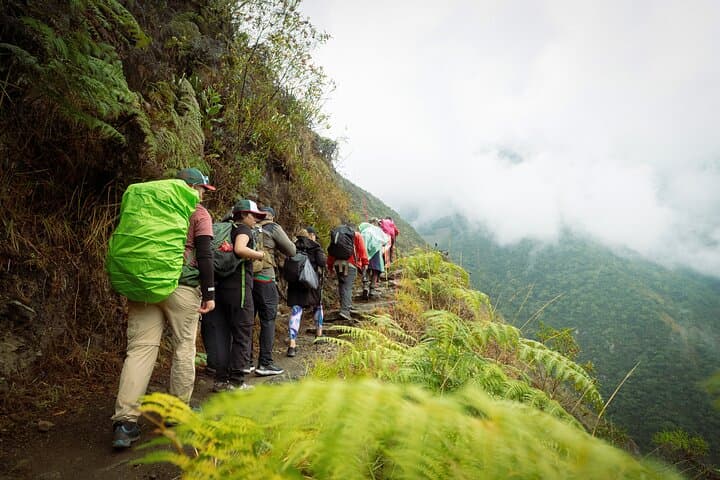
Practically, expect 3–5 hours of steady hiking on day one with packed snacks and a guide handling permits and logistics. Altitudes sit roughly between 2,000–2,700 m, so pace yourself and hydrate; mornings are cool, afternoons can be humid with rain in the cloud forest. Your second day begins before sunrise for the guided tour of Machu Picchu’s principal sectors, followed by free time before returning via train to the Sacred Valley.
Bring waterproof layers, sturdy footwear, and a daypack. Book permits and train space well in advance: access is limited and controlled to protect the trail. Respect archaeological zones, carry out waste, and allow extra time for photography and acclimatization.
moderate.
2 days (approx. 48 hours).
Good cardiovascular fitness for sustained uphill walking and stairs; comfortable with 3–5 hours of hiking in a day
Yes. Access to the Inca Trail is strictly limited and permits are obtained by authorized operators; this tour includes the Inca Trail entrance and Machu Picchu ticket.
The short route compresses the approach into one full day of hiking and is less remote than the classic 4-day, but it still includes steep stone steps and sustained effort at elevation.
Altitude affects people differently; rest in Cusco, hydrate, avoid alcohol before hiking and communicate symptoms to your guide—this tour provides a medical kit and emergency oxygen if needed.
The itinerary includes a 3-star hotel in Aguas Calientes; larger luggage stays in Cusco or Ollantaytambo while you bring a daypack on the trail.
The trail is part of the Inca road system built in the 15th century to connect administrative and ritual centers; Machu Picchu itself is an imperial estate and religious center.
Visitor numbers are managed through permits and timed entries to reduce erosion; stick to established paths, avoid touching ruins and pack out all trash.
Sakura Expedition operates guided outdoor trips and adventures with an emphasis on safety, stewardship, and memorable experiences.
Before dawn a bus slides away from Cusco and the Sacred Valley blurs into shadow. By first light the train hums toward Km 104, and the trail opens into a mossy corridor of stone steps, orchids and bird calls. The Short Inca Trail compresses a classic approach to Machu Picchu into two days: an energetic day of walking through Chachabamba and Wiñay Wayna ruins, then an early-morning arrival at Inti Punku — the Gate of the Sun — with Machu Picchu spread below.
Before dawn a bus slides away from Cusco and the Sacred Valley blurs into shadow. By first light the train hums toward Km 104, and the trail opens into a mossy corridor of stone steps, orchids and bird calls. The Short Inca Trail compresses a classic approach to Machu Picchu into two days: an energetic day of walking through Chachabamba and Wiñay Wayna ruins, then an early-morning arrival at Inti Punku — the Gate of the Sun — with Machu Picchu spread below.
This route follows Inca-built causeways and agricultural terraces cut into steep cloud-forest slopes. The path is archaeological as much as natural: terraces and drainage channels show the Incas’ engineering to control erosion and microclimates. Culturally, the trail is a living route tied to pilgrimages and imperial communications; modern guides translate that history alongside geology — steep volcanic ridges and deeply incised river valleys carved by the Urubamba.
Practically, expect 3–5 hours of steady hiking on day one with packed snacks and a guide handling permits and logistics. Altitudes sit roughly between 2,000–2,700 m, so pace yourself and hydrate; mornings are cool, afternoons can be humid with rain in the cloud forest. Your second day begins before sunrise for the guided tour of Machu Picchu’s principal sectors, followed by free time before returning via train to the Sacred Valley.
Bring waterproof layers, sturdy footwear, and a daypack. Book permits and train space well in advance: access is limited and controlled to protect the trail. Respect archaeological zones, carry out waste, and allow extra time for photography and acclimatization.