THE ADVENTURE COLLECTIVE® · Independent discovery and booking for outdoor travel

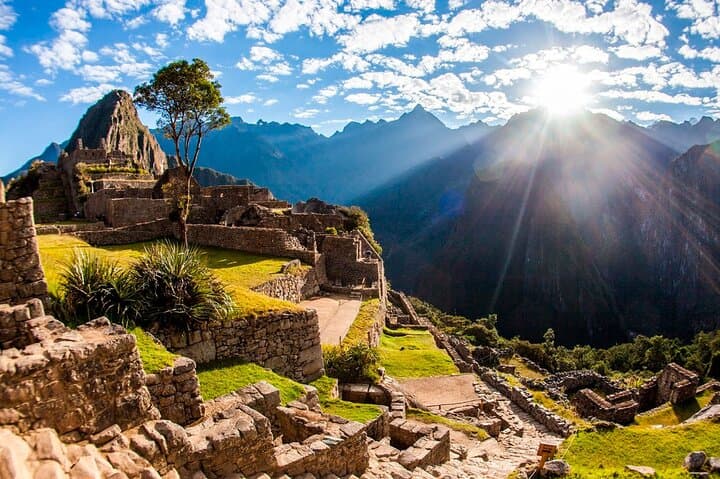
A compact, two-day hike along the classic Inca Trail: climb ancient stone stairways from Km 104 to Wiñay Wayna and the Sun Gate, sleep in Aguas Calientes, then return early for a guided visit to Machu Picchu. Ideal for travelers who want the trail's highlights without a multi-day trek.
A compact, two-day hike along the classic Inca Trail: climb ancient stone stairways from Km 104 to Wiñay Wayna and the Sun Gate, sleep in Aguas Calientes, then return early for a guided visit to Machu Picchu. Ideal for travelers who want the trail's highlights without a multi-day trek.
You step off a late-afternoon train at Km 104 and the mountain air takes hold—moist, green, and alive. The trail climbs immediately, the stonework underfoot changing from packed earth to ancient Inca stairways that angle through cloud forest and past small waterfalls. Mist rolls down the ridges like slow weather; the path narrows and the sound of the Urubamba River below dares you onward.
Verified experiences and guided adventures in the surrounding area.
Operated by Kaypi Peru tours · Aguas Calientes, Cusco Region
You step off a late-afternoon train at Km 104 and the mountain air takes hold—moist, green, and alive. The trail climbs immediately, the stonework underfoot changing from packed earth to ancient Inca stairways that angle through cloud forest and past small waterfalls. Mist rolls down the ridges like slow weather; the path narrows and the sound of the Urubamba River below dares you onward.
The route is a fragment of the old Qhapaq Ñan, the Inca road network that linked Cusco to its far-flung estates. Wiñay Wayna ("Forever Young") appears as a cluster of terraces and water channels at about 2,680 m, a clear example of Inca engineering grafted to granite slopes. Geologically the valley is carved in volcanic and metamorphic rock; steeper sections reveal exposed stone and compacted steps that demand attention. Local Quechua culture still colors the villages and markets of the region—vendors, llamas, and mountain songs are common between Cusco and Aguas Calientes.
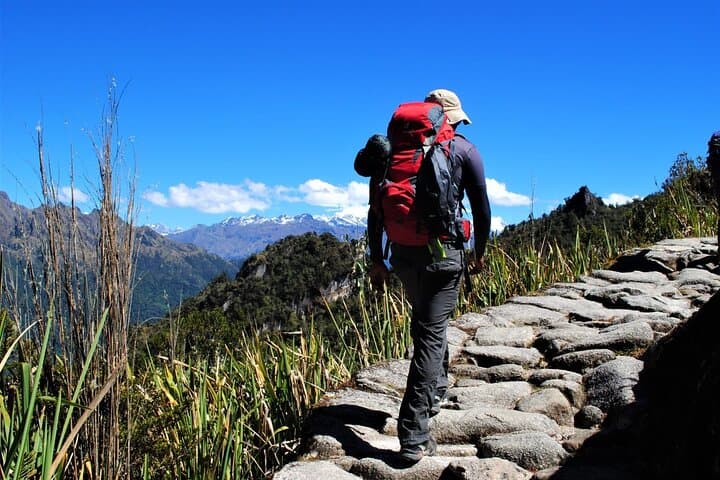
Practically, expect roughly 10–12 km of hiking on day one with about 400–700 m of elevation gain toward Inti Punku (Sun Gate, ~2,730 m) and a descent to Machu Picchu (2,400 m). Terrain is uneven: stone steps, muddy stretches when wet, and narrow singletrack. Plan on sturdy shoes, rain protection, water and layered clothing. Acclimatize in Cusco for 24–48 hours if possible; altitude is the most common limiter. Day one ends in Aguas Calientes with a hotel night; day two is an early bus ride up for a 2–3 hour guided tour of Machu Picchu followed by free time and a return train. Permits and park entry are limited—book in advance and travel light to make the most of the short, intense experience.
moderate.
2 days (total hiking ~8–10 hours; day 1 ~4 hours).
Suitable for hikers with moderate fitness who can handle continuous uphill and stone stair sections at altitude.
Yes—entry to the Inca Trail and Machu Picchu is controlled; reputable operators include the required permits and bus tickets, but confirm this at booking.
The climb involves several hundred meters of elevation gain on stone steps; moderate fitness and a steady pace make it accessible for most travelers.
Possibly—Cusco sits around 3,400 m. Spend a day or two acclimatizing, hydrate, and avoid heavy exertion on arrival to reduce symptoms.
Trails become slippery; the tour continues in light rain. Good footwear and a rain jacket are essential, and tours may alter pacing for safety.
The Inca Trail served as part of the Qhapaq Ñan, the imperial road system linking Cusco to sacred sites; Machu Picchu dates to the 15th century as a royal estate or religious center.
Visitor numbers are regulated and permits limited; stay on marked trails, carry out waste, and use refillable water to reduce impact.
Kaypi Peru tours operates guided outdoor trips and adventures with an emphasis on safety, stewardship, and memorable experiences.
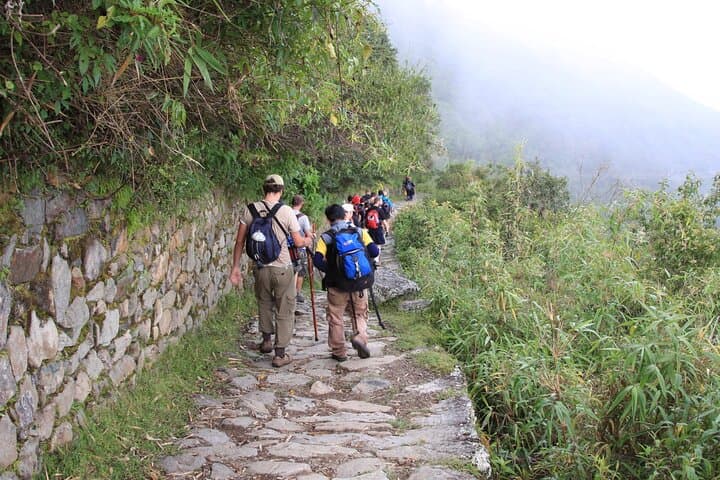
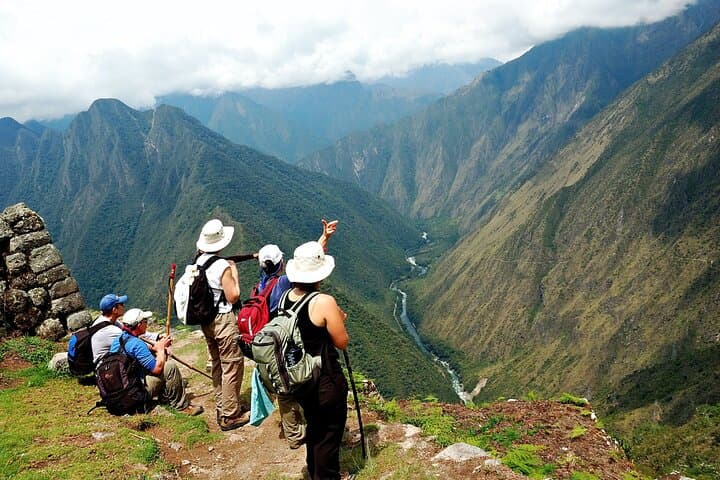
You step off a late-afternoon train at Km 104 and the mountain air takes hold—moist, green, and alive. The trail climbs immediately, the stonework underfoot changing from packed earth to ancient Inca stairways that angle through cloud forest and past small waterfalls. Mist rolls down the ridges like slow weather; the path narrows and the sound of the Urubamba River below dares you onward.
You step off a late-afternoon train at Km 104 and the mountain air takes hold—moist, green, and alive. The trail climbs immediately, the stonework underfoot changing from packed earth to ancient Inca stairways that angle through cloud forest and past small waterfalls. Mist rolls down the ridges like slow weather; the path narrows and the sound of the Urubamba River below dares you onward.
The route is a fragment of the old Qhapaq Ñan, the Inca road network that linked Cusco to its far-flung estates. Wiñay Wayna ("Forever Young") appears as a cluster of terraces and water channels at about 2,680 m, a clear example of Inca engineering grafted to granite slopes. Geologically the valley is carved in volcanic and metamorphic rock; steeper sections reveal exposed stone and compacted steps that demand attention. Local Quechua culture still colors the villages and markets of the region—vendors, llamas, and mountain songs are common between Cusco and Aguas Calientes.
Practically, expect roughly 10–12 km of hiking on day one with about 400–700 m of elevation gain toward Inti Punku (Sun Gate, ~2,730 m) and a descent to Machu Picchu (2,400 m). Terrain is uneven: stone steps, muddy stretches when wet, and narrow singletrack. Plan on sturdy shoes, rain protection, water and layered clothing. Acclimatize in Cusco for 24–48 hours if possible; altitude is the most common limiter. Day one ends in Aguas Calientes with a hotel night; day two is an early bus ride up for a 2–3 hour guided tour of Machu Picchu followed by free time and a return train. Permits and park entry are limited—book in advance and travel light to make the most of the short, intense experience.