THE ADVENTURE COLLECTIVE® · Independent discovery and booking for outdoor travel

Walk original Inca stoneways to the Sun Gate and emerge at Machu Picchu on a compact 2-day trek. This guide explains what to expect on the trail, historical context, and practical tips to make the most of the short Inca Trail.
Walk original Inca stoneways to the Sun Gate and emerge at Machu Picchu on a compact 2-day trek. This guide explains what to expect on the trail, historical context, and practical tips to make the most of the short Inca Trail.
Dawn breaks over the Urubamba valley and the first Inca stones underfoot are cool with mist. You step onto a path that still carries the wear of centuries: terraces climb, waterfalls shout from the ravine, and orchids brush your sleeve as the trail climbs toward the Sun Gate. By late afternoon the citadel of Machu Picchu appears through a slit in the clouds — a reward earned on foot.
Verified experiences and guided adventures in the surrounding area.
Operated by American Inca Trail · Cusco, Cusco
Dawn breaks over the Urubamba valley and the first Inca stones underfoot are cool with mist. You step onto a path that still carries the wear of centuries: terraces climb, waterfalls shout from the ravine, and orchids brush your sleeve as the trail climbs toward the Sun Gate. By late afternoon the citadel of Machu Picchu appears through a slit in the clouds — a reward earned on foot.
The Short Inca Trail follows original stone causeways engineered by the Incas in the 15th century, cutting along steep Andean flanks carved from uplifted, volcanic-and-sedimentary bedrock. You pass Chachabamba and Wiñay Wayna, sites that reveal terrace agriculture and dry-stone masonry adapted to seismic folds. Local Quechua communities still practice terrace farming below, and the railway and hot springs at Aguas Calientes supply the town that supports visitors.
Practical guidance is straightforward: the 2-day itinerary combines roughly 10–13 km of hiking on day one with 400–600 m of cumulative ascent to the Sun Gate, taking about 6–7 hours with stops. Day two is an early guided tour of Machu Picchu (2–3 hours) and return train travel to Ollantaytambo and bus to Cusco. Acclimatize in Cusco (3,400 m) for 48 hours if possible — Machu Picchu sits near 2,430 m but the approach starts higher. Expect uneven stone steps, short steep sections, and sudden weather shifts; pack layered clothing, rain protection, 2L water, and a daypack.
Permits and park entry are controlled: book through licensed operators and carry ID. Move respectfully on narrow paths, leave no trace, and plan for earlier starts to avoid crowds and afternoon rain.
moderate.
2 days.
Suitable for travelers with a moderate level of fitness; you should be comfortable hiking 6–8 hours with uphill stone steps and carrying a daypack.
Yes — park entry and trail permits are controlled. This tour includes the necessary admission and train tickets, but confirm permit details with your operator before booking.
Expect 6–7 hours on day one covering roughly 10–13 km with 400–600 m cumulative ascent to the Sun Gate; day two is a shorter guided visit to Machu Picchu.
Yes — the second day includes a guided 2–3 hour tour of the citadel plus free time afterward to explore independently before returning by train.
Altitude affects individuals differently; acclimatize in Cusco for 24–48 hours, hydrate, avoid alcohol the day before the hike, and communicate symptoms to your guide.
Machu Picchu and the Inca trails date to the 15th century and were part of an integrated network of roads and agricultural terraces serving the Inca state and local communities.
Visitor numbers and trail access are regulated to protect fragile stonework and flora; follow designated routes, carry out waste, and minimize single-use plastics.
American Inca Trail operates guided outdoor trips and adventures with an emphasis on safety, stewardship, and memorable experiences.
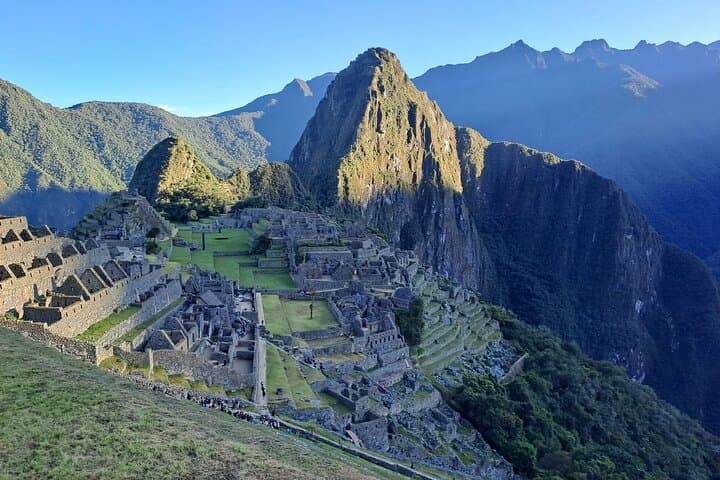
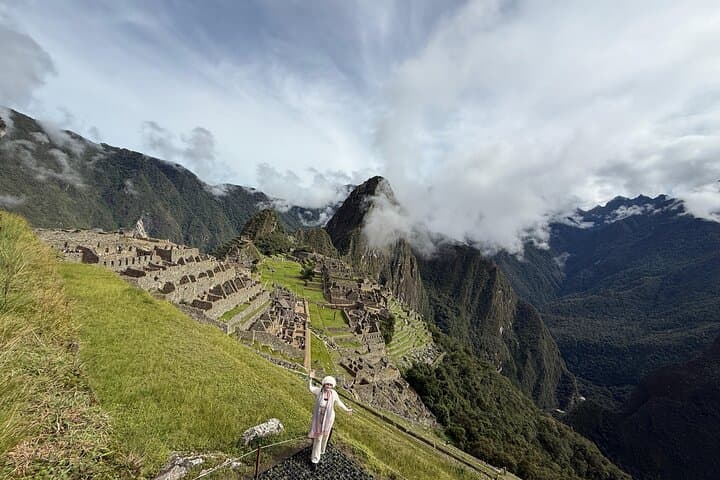
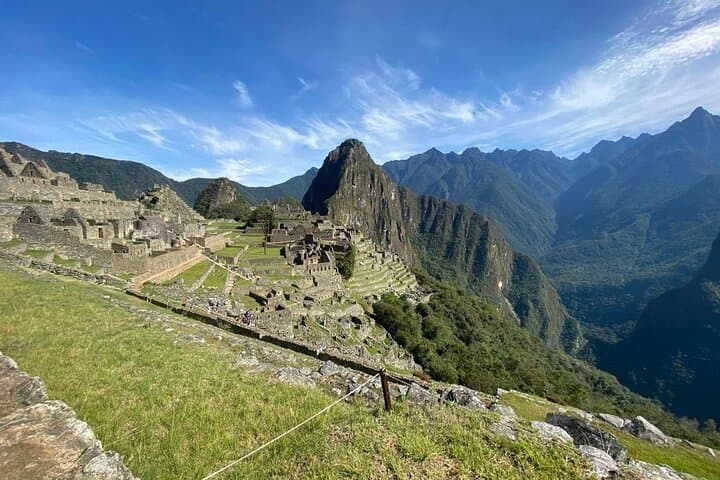
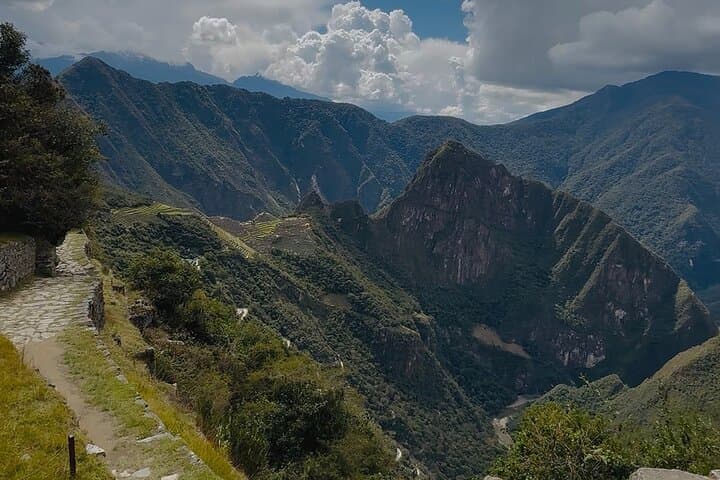
Dawn breaks over the Urubamba valley and the first Inca stones underfoot are cool with mist. You step onto a path that still carries the wear of centuries: terraces climb, waterfalls shout from the ravine, and orchids brush your sleeve as the trail climbs toward the Sun Gate. By late afternoon the citadel of Machu Picchu appears through a slit in the clouds — a reward earned on foot.
Dawn breaks over the Urubamba valley and the first Inca stones underfoot are cool with mist. You step onto a path that still carries the wear of centuries: terraces climb, waterfalls shout from the ravine, and orchids brush your sleeve as the trail climbs toward the Sun Gate. By late afternoon the citadel of Machu Picchu appears through a slit in the clouds — a reward earned on foot.
The Short Inca Trail follows original stone causeways engineered by the Incas in the 15th century, cutting along steep Andean flanks carved from uplifted, volcanic-and-sedimentary bedrock. You pass Chachabamba and Wiñay Wayna, sites that reveal terrace agriculture and dry-stone masonry adapted to seismic folds. Local Quechua communities still practice terrace farming below, and the railway and hot springs at Aguas Calientes supply the town that supports visitors.
Practical guidance is straightforward: the 2-day itinerary combines roughly 10–13 km of hiking on day one with 400–600 m of cumulative ascent to the Sun Gate, taking about 6–7 hours with stops. Day two is an early guided tour of Machu Picchu (2–3 hours) and return train travel to Ollantaytambo and bus to Cusco. Acclimatize in Cusco (3,400 m) for 48 hours if possible — Machu Picchu sits near 2,430 m but the approach starts higher. Expect uneven stone steps, short steep sections, and sudden weather shifts; pack layered clothing, rain protection, 2L water, and a daypack.
Permits and park entry are controlled: book through licensed operators and carry ID. Move respectfully on narrow paths, leave no trace, and plan for earlier starts to avoid crowds and afternoon rain.