THE ADVENTURE COLLECTIVE® · Independent discovery and booking for outdoor travel

A compact 3-day circuit that pairs Sacred Valley highlights with a one-day section of the Inca Trail, reaching the Sun Gate for your first view of Machu Picchu. Perfect for hikers wanting an alpine taste of the Andes without a multi-night campsite.
A compact 3-day circuit that pairs Sacred Valley highlights with a one-day section of the Inca Trail, reaching the Sun Gate for your first view of Machu Picchu. Perfect for hikers wanting an alpine taste of the Andes without a multi-night campsite.
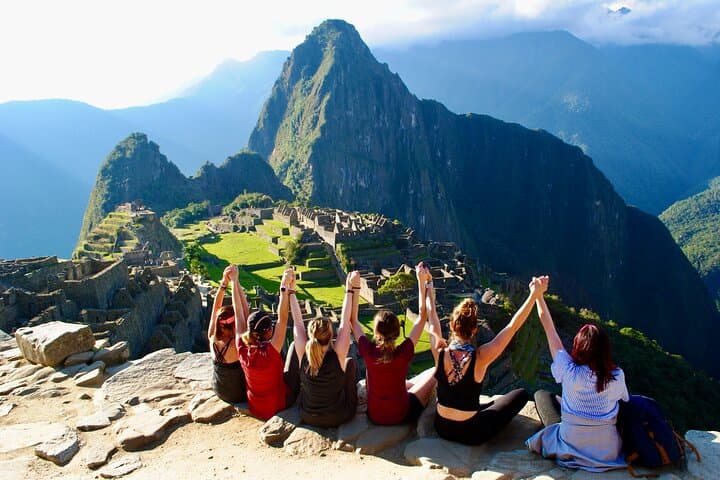
Before sunrise the Andes tighten around the train line—mist hanging low over the Urubamba, the river daring you onward. You’ll leave Cusco in the cool dark, pass market towns where coca leaves and bright textiles spill from doorways, then step onto the short Inca Trail at Km 104. The path climbs through cloud forest, terraces and ruins until the Sun Gate opens and Machu Picchu fills the valley like a long-held secret finally exhaled.
Verified experiences and guided adventures in the surrounding area.
Operated by Andean Path Travel · Cusco, Cusco
Before sunrise the Andes tighten around the train line—mist hanging low over the Urubamba, the river daring you onward. You’ll leave Cusco in the cool dark, pass market towns where coca leaves and bright textiles spill from doorways, then step onto the short Inca Trail at Km 104. The path climbs through cloud forest, terraces and ruins until the Sun Gate opens and Machu Picchu fills the valley like a long-held secret finally exhaled.
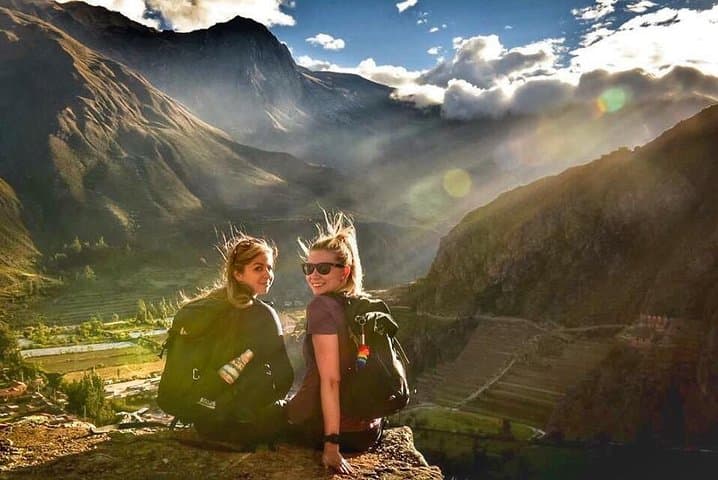
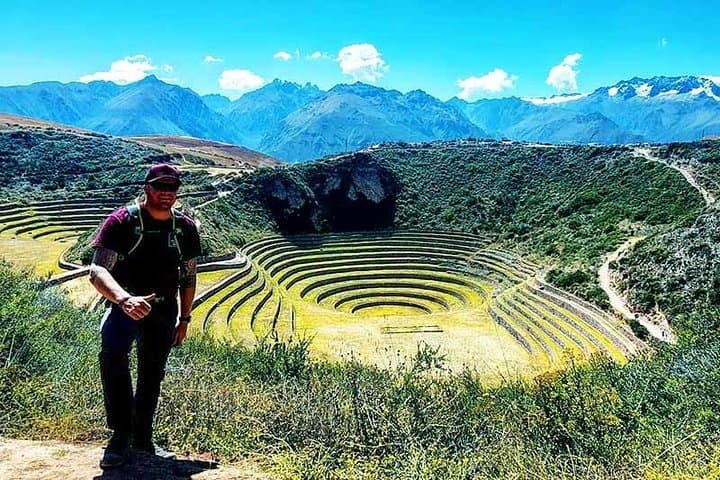
The route threads Inca engineering and living landscape: agricultural terraces, finely cut stonework and channels that still move water with precise grace. Geologically the corridor slices between the high, glaciated spine of the Andes and the beginning of the Amazon basin—wet slopes that give rise to dense montane forest and prolific birdlife. Culturally, markets in Pisac and the fortress at Ollantaytambo show how imperial logistics and local Quechua lifeways intersected and survive today.
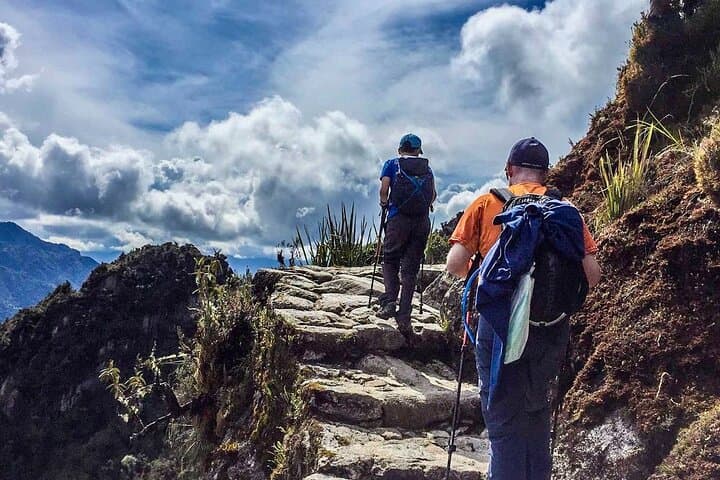
Practically, the tour combines drives, a train segment, two staged hikes and hotel nights in Aguas Calientes. Expect 7–9 hours of active movement on day two with significant elevation shifts from ~2,000 m to 2,600 m; acclimatize in Cusco first. Trails are stone steps, packed earth and occasional muddy stretches; good boots and a steady pace matter more than speed. Hydrate, layer for sun-to-drizzle swings, and plan on early starts—sunrise at Machu Picchu rewards the early wake-up with thinner crowds and dramatic light.
This itinerary gives a compact but authentic taste of the Inca world—history under foot, mountain weather that changes like mood, and clear logistical rhythms for travelers who want a short, impactful Andean trek.
moderate.
3 days.
Suitable for travelers with moderate fitness who can hike 5–8 hours with elevation changes; prior high-altitude exposure helps.
This short route uses the classic Km 104 section—permits are still regulated, and operators include the necessary entrance to Machu Picchu and trail access.
Expect 6–8 hours of activity with climbs to 2,600 m; terrain includes steps, uneven stone and muddy stretches, so moderate fitness is required.
Yes—after an early guided tour you’ll have free time to explore; climbing Huayna Picchu requires a separate, pre-booked ticket.
Dry season (May–September) offers more stable weather and better trail conditions, though mornings can be colder and crowds higher.
The Inca Trail was part of an extensive road network that connected administrative centers, temples and agricultural lands during the Inca Empire; Machu Picchu was a highland estate and ritual site.
Visitor limits, official guides and park fees help protect fragile terraces and ecosystems; pack out waste and support local communities by buying from certified vendors.
Andean Path Travel operates guided outdoor trips and adventures with an emphasis on safety, stewardship, and memorable experiences.
Before sunrise the Andes tighten around the train line—mist hanging low over the Urubamba, the river daring you onward. You’ll leave Cusco in the cool dark, pass market towns where coca leaves and bright textiles spill from doorways, then step onto the short Inca Trail at Km 104. The path climbs through cloud forest, terraces and ruins until the Sun Gate opens and Machu Picchu fills the valley like a long-held secret finally exhaled.
Before sunrise the Andes tighten around the train line—mist hanging low over the Urubamba, the river daring you onward. You’ll leave Cusco in the cool dark, pass market towns where coca leaves and bright textiles spill from doorways, then step onto the short Inca Trail at Km 104. The path climbs through cloud forest, terraces and ruins until the Sun Gate opens and Machu Picchu fills the valley like a long-held secret finally exhaled.
The route threads Inca engineering and living landscape: agricultural terraces, finely cut stonework and channels that still move water with precise grace. Geologically the corridor slices between the high, glaciated spine of the Andes and the beginning of the Amazon basin—wet slopes that give rise to dense montane forest and prolific birdlife. Culturally, markets in Pisac and the fortress at Ollantaytambo show how imperial logistics and local Quechua lifeways intersected and survive today.
Practically, the tour combines drives, a train segment, two staged hikes and hotel nights in Aguas Calientes. Expect 7–9 hours of active movement on day two with significant elevation shifts from ~2,000 m to 2,600 m; acclimatize in Cusco first. Trails are stone steps, packed earth and occasional muddy stretches; good boots and a steady pace matter more than speed. Hydrate, layer for sun-to-drizzle swings, and plan on early starts—sunrise at Machu Picchu rewards the early wake-up with thinner crowds and dramatic light.
This itinerary gives a compact but authentic taste of the Inca world—history under foot, mountain weather that changes like mood, and clear logistical rhythms for travelers who want a short, impactful Andean trek.