THE ADVENTURE COLLECTIVE® · Independent discovery and booking for outdoor travel

A condensed version of the famous route, the 2-day Short Inca Trail packs iconic Inca sites—Chachabamba, Wiñaywayna and the Sun Gate—into a single overnight trip with an early-morning entrance to Machu Picchu. Ideal for travelers short on time who want the trail experience without a multi-day commitment.
A condensed version of the famous route, the 2-day Short Inca Trail packs iconic Inca sites—Chachabamba, Wiñaywayna and the Sun Gate—into a single overnight trip with an early-morning entrance to Machu Picchu. Ideal for travelers short on time who want the trail experience without a multi-day commitment.
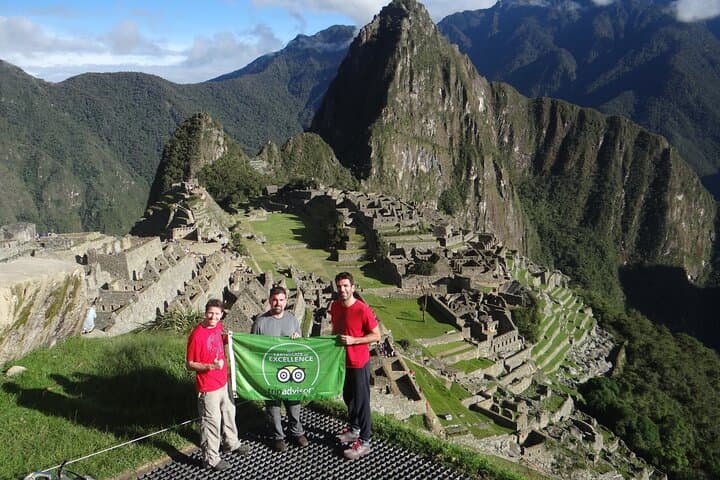
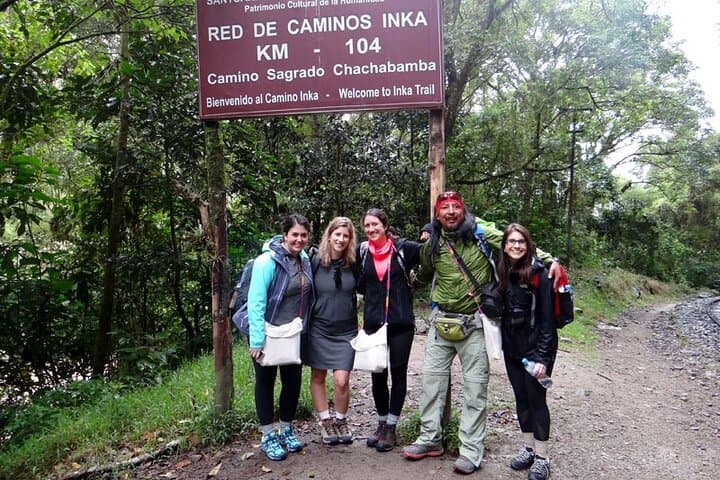
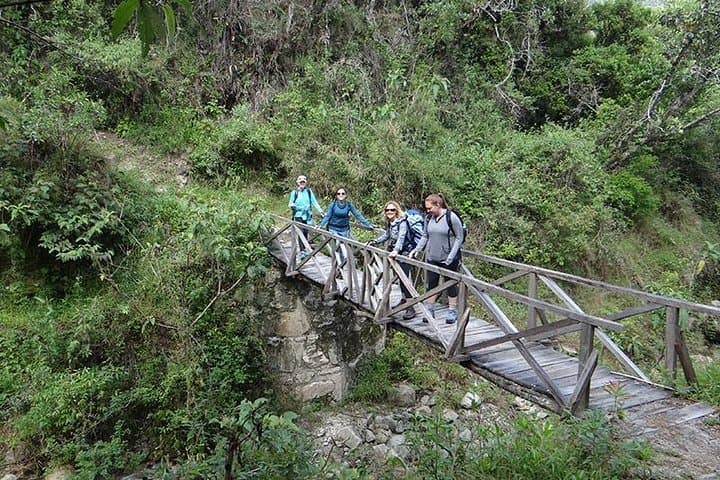
You step out before dawn in Aguas Calientes with the town's steam and chatter behind you and the mountain air already cool against your face. The trail begins at Km 104, Chachabamba (2,200 m), then climbs in a steady, rocky stair to Winay Wayna—about 5 km and roughly 500 m of gain over three hours—where Inca terraces cling to the slope like carved steps. The final approach to Inti Punku (Sun Gate, ~2,700 m) parts the cloud and gives the first, cinematic view of Machu Picchu below.
Verified experiences and guided adventures in the surrounding area.
Operated by SAQRA'S TREK AUQUI PERU · Aguas Calientes (Machu Picchu Pueblo), Cusco
You step out before dawn in Aguas Calientes with the town's steam and chatter behind you and the mountain air already cool against your face. The trail begins at Km 104, Chachabamba (2,200 m), then climbs in a steady, rocky stair to Winay Wayna—about 5 km and roughly 500 m of gain over three hours—where Inca terraces cling to the slope like carved steps. The final approach to Inti Punku (Sun Gate, ~2,700 m) parts the cloud and gives the first, cinematic view of Machu Picchu below.
The path follows engineered Inca stonework and ceremonial water channels; you walk a fragment of a network that once stitched the empire through the Andes. Geologically the route threads cloud forest and steep river valleys carved by the Urubamba, so expect mossy rock, humidity and sudden weather shifts. Local culture is present in guides who speak Spanish, English and Quechua and in the living communities of the Sacred Valley that supplied food and labor to these sites.
Practically, the short trail compresses classic highlights into a 2-day, 1-night schedule: a full first day of trekking (≈7 hours), overnight in Aguas Calientes, then an early 5:30 bus up to Machu Picchu for sunrise on day two. Permit and park entrance fees are required in advance. Plan for altitude acclimatization (spend 1–2 nights in Cusco), layered clothing, waterproofs, good traction footwear, at least 2–3 liters of water, and a headlamp for early starts. The route is moderate in difficulty—more stairs than technical climbing—but the stone steps and narrow passages demand concentration. Leave no trace, move at a steady pace, and let the cliffside air push you toward one of the clearest archaeological reveals in the Americas.
moderate.
2 days.
Moderate fitness: able to hike 5–8 hours with sustained uphill sections and stairs; prior hiking experience helpful.
Yes. The Inca Trail requires a permit and Machu Picchu entry ticket—these are limited and should be booked through an authorized operator in advance.
The short itinerary is moderate: not technical but involves long uphill sections and many stone steps; basic fitness and acclimatization are important.
Typical inclusions: roundtrip train, private transfers, guided trek, entrance permits, 1-night hotel in Aguas Calientes, some meals, bus to Machu Picchu, and first-aid/oxygen as listed by the operator.
The dry season (May–September) offers more stable weather and clearer views, though mornings can still be misty; the trail is feasible year-round with more rain in Nov–Mar.
The Inca Trail is part of a vast pre-Columbian road system used for administration, ritual and movement across the empire—stonework along the route reflects agricultural, urban and ceremonial planning.
Visitor numbers are strictly managed to protect archaeological fabric and fragile cloud-forest ecosystems; follow trail rules, stay on the path and carry out waste.
SAQRA'S TREK AUQUI PERU operates guided outdoor trips and adventures with an emphasis on safety, stewardship, and memorable experiences.
You step out before dawn in Aguas Calientes with the town's steam and chatter behind you and the mountain air already cool against your face. The trail begins at Km 104, Chachabamba (2,200 m), then climbs in a steady, rocky stair to Winay Wayna—about 5 km and roughly 500 m of gain over three hours—where Inca terraces cling to the slope like carved steps. The final approach to Inti Punku (Sun Gate, ~2,700 m) parts the cloud and gives the first, cinematic view of Machu Picchu below.
You step out before dawn in Aguas Calientes with the town's steam and chatter behind you and the mountain air already cool against your face. The trail begins at Km 104, Chachabamba (2,200 m), then climbs in a steady, rocky stair to Winay Wayna—about 5 km and roughly 500 m of gain over three hours—where Inca terraces cling to the slope like carved steps. The final approach to Inti Punku (Sun Gate, ~2,700 m) parts the cloud and gives the first, cinematic view of Machu Picchu below.
The path follows engineered Inca stonework and ceremonial water channels; you walk a fragment of a network that once stitched the empire through the Andes. Geologically the route threads cloud forest and steep river valleys carved by the Urubamba, so expect mossy rock, humidity and sudden weather shifts. Local culture is present in guides who speak Spanish, English and Quechua and in the living communities of the Sacred Valley that supplied food and labor to these sites.
Practically, the short trail compresses classic highlights into a 2-day, 1-night schedule: a full first day of trekking (≈7 hours), overnight in Aguas Calientes, then an early 5:30 bus up to Machu Picchu for sunrise on day two. Permit and park entrance fees are required in advance. Plan for altitude acclimatization (spend 1–2 nights in Cusco), layered clothing, waterproofs, good traction footwear, at least 2–3 liters of water, and a headlamp for early starts. The route is moderate in difficulty—more stairs than technical climbing—but the stone steps and narrow passages demand concentration. Leave no trace, move at a steady pace, and let the cliffside air push you toward one of the clearest archaeological reveals in the Americas.