THE ADVENTURE COLLECTIVE® · Independent discovery and booking for outdoor travel

Walk a compact, historically rich section of the Inca Trail from km 104 to the Sun Gate, then enter Machu Picchu with a guided tour the next morning. This two-day itinerary balances a satisfying day hike with time to absorb the citadel’s ruins.
Walk a compact, historically rich section of the Inca Trail from km 104 to the Sun Gate, then enter Machu Picchu with a guided tour the next morning. This two-day itinerary balances a satisfying day hike with time to absorb the citadel’s ruins.
Dawn light slices through cloud and fern as the train pulls into km 104 and you step onto the stone path that once carried Inca runners. The route climbs steadily from the Chachabamba ruins at about 2,150 m and threads terraces, narrow switchbacks and stone stairways for roughly 8 km (5 miles), rising to Wiñay Wayna (2,680 m) and then Inti Punku, the Sun Gate, at roughly 2,730 m — your first panoramic view of Machu Picchu below at 2,400 m.
Verified experiences and guided adventures in the surrounding area.
Operated by Cusco Destinations Tours & Travels · Aguas Calientes, Cusco
Dawn light slices through cloud and fern as the train pulls into km 104 and you step onto the stone path that once carried Inca runners. The route climbs steadily from the Chachabamba ruins at about 2,150 m and threads terraces, narrow switchbacks and stone stairways for roughly 8 km (5 miles), rising to Wiñay Wayna (2,680 m) and then Inti Punku, the Sun Gate, at roughly 2,730 m — your first panoramic view of Machu Picchu below at 2,400 m.
This short Inca Trail follows original Inca-made trailwork carved into volcanic bedrock and wrought terraces. The route is archaeological as much as scenic: stepped agricultural sectors, ritual niches and irrigation channels reveal how the Incas shaped steep Andean slopes for farming and movement. The surrounding geology is steep, folded Andean volcanics and crystalline batholiths that create the dramatic valley walls and the humid cloudforest that clings to them.
Practically: expect about four hours of uphill walking the first day, a night in Aguas Calientes, then an early bus to Machu Picchu for a two-hour guided visit followed by free time (optional Huayna Picchu requires a separate permit, strictly limited). Trains run from Cusco/Ollantaytambo to km 104 and back; entrance fees for the Inca Trail and Machu Picchu are included in the tour.
Tips for planning: acclimatize in Cusco (3,400 m) for 24–48 hours if possible, use sturdy boots and a waterproof layer, carry 2–3 liters of water and electrolytes, and start early to avoid midday clouds and crowds. The trail is moderate but altitude and uneven stone steps demand steady footing and sensible pacing.
moderate.
2 days (hiking ~4–5 hours day 1; guided visit ~2 hours day 2).
Good cardiovascular fitness for sustained uphill hiking at altitude; steady pace and prior hiking experience helpful
Yes—Cusco sits around 3,400 m. Spending 24–48 hours in Cusco and avoiding alcohol or heavy exertion on arrival reduces altitude sickness risk.
This short trail uses the controlled section from km 104; the tour includes the necessary entrance fees to the Inca Trail and Machu Picchu.
Possibly—Huayna Picchu requires a separate, limited permit; ask the operator to book it for you in advance if you want to add it.
Expect steady uphill for about 8 km with stone steps; the pace is moderate but altitude and uneven terrain make it more challenging than flat hikes.
The trail follows original Inca roads and connects agricultural and ceremonial sites that supported the Machu Picchu citadel during the 15th century.
The area is protected within the Machu Picchu Historic Sanctuary; stick to marked paths, pack out trash and respect restricted zones to reduce erosion and cultural damage.
Cusco Destinations Tours & Travels operates guided outdoor trips and adventures with an emphasis on safety, stewardship, and memorable experiences.
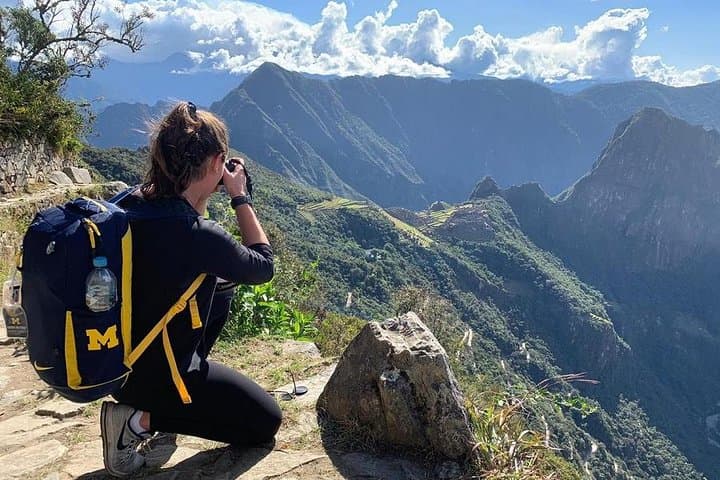
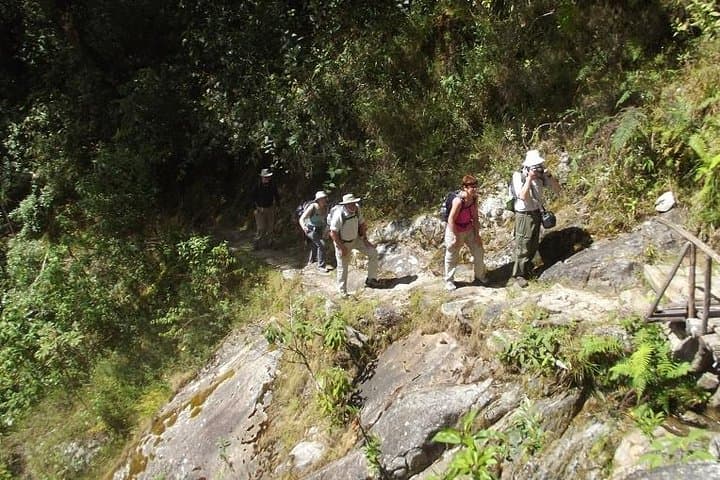
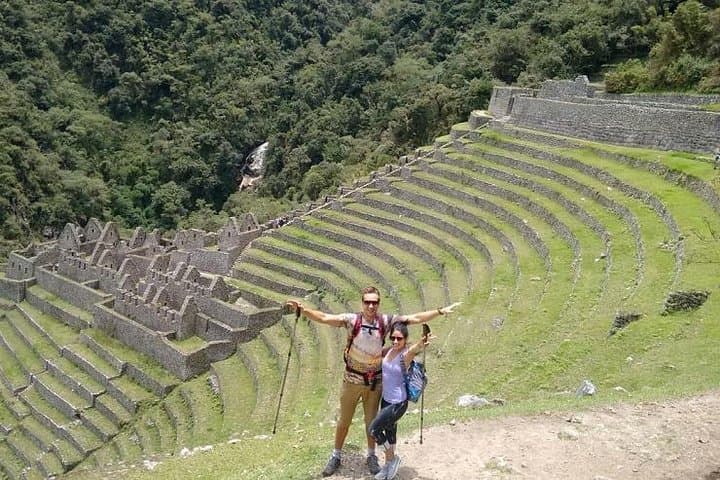
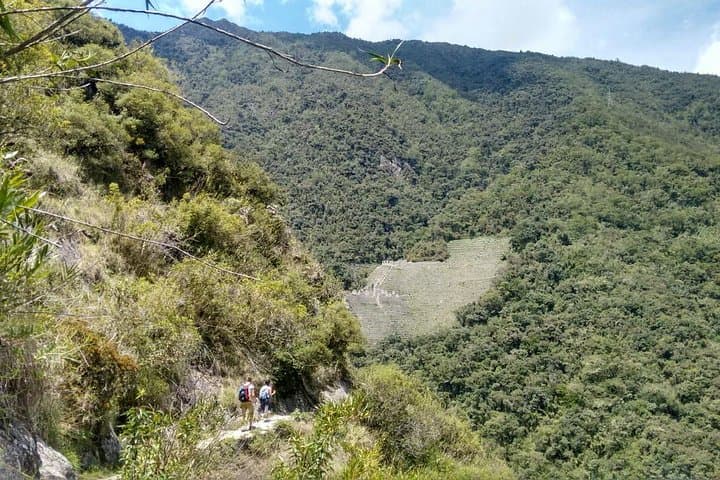
Dawn light slices through cloud and fern as the train pulls into km 104 and you step onto the stone path that once carried Inca runners. The route climbs steadily from the Chachabamba ruins at about 2,150 m and threads terraces, narrow switchbacks and stone stairways for roughly 8 km (5 miles), rising to Wiñay Wayna (2,680 m) and then Inti Punku, the Sun Gate, at roughly 2,730 m — your first panoramic view of Machu Picchu below at 2,400 m.
Dawn light slices through cloud and fern as the train pulls into km 104 and you step onto the stone path that once carried Inca runners. The route climbs steadily from the Chachabamba ruins at about 2,150 m and threads terraces, narrow switchbacks and stone stairways for roughly 8 km (5 miles), rising to Wiñay Wayna (2,680 m) and then Inti Punku, the Sun Gate, at roughly 2,730 m — your first panoramic view of Machu Picchu below at 2,400 m.
This short Inca Trail follows original Inca-made trailwork carved into volcanic bedrock and wrought terraces. The route is archaeological as much as scenic: stepped agricultural sectors, ritual niches and irrigation channels reveal how the Incas shaped steep Andean slopes for farming and movement. The surrounding geology is steep, folded Andean volcanics and crystalline batholiths that create the dramatic valley walls and the humid cloudforest that clings to them.
Practically: expect about four hours of uphill walking the first day, a night in Aguas Calientes, then an early bus to Machu Picchu for a two-hour guided visit followed by free time (optional Huayna Picchu requires a separate permit, strictly limited). Trains run from Cusco/Ollantaytambo to km 104 and back; entrance fees for the Inca Trail and Machu Picchu are included in the tour.
Tips for planning: acclimatize in Cusco (3,400 m) for 24–48 hours if possible, use sturdy boots and a waterproof layer, carry 2–3 liters of water and electrolytes, and start early to avoid midday clouds and crowds. The trail is moderate but altitude and uneven stone steps demand steady footing and sensible pacing.