THE ADVENTURE COLLECTIVE® · Independent discovery and booking for outdoor travel

Hike a compact section of the Inca Trail, spend a night in Aguas Calientes, and enter Machu Picchu at sunset before a guided sunrise visit the next day. This two-day glamping-style itinerary balances trekking with comfort and guarantees access with included train and bus logistics.
Hike a compact section of the Inca Trail, spend a night in Aguas Calientes, and enter Machu Picchu at sunset before a guided sunrise visit the next day. This two-day glamping-style itinerary balances trekking with comfort and guarantees access with included train and bus logistics.
You crest a last rocky step and the valley drops away: terraces, the river coiling like a silver ribbon, and the citadel of Machu Picchu unfurling below. The air is thin and sharp; clouds push and pull across the peaks, and the stone plazas already hum with the history of footsteps older than the roads.
Verified experiences and guided adventures in the surrounding area.
Operated by Kenko Adventures · Aguas Calientes, Cusco
You crest a last rocky step and the valley drops away: terraces, the river coiling like a silver ribbon, and the citadel of Machu Picchu unfurling below. The air is thin and sharp; clouds push and pull across the peaks, and the stone plazas already hum with the history of footsteps older than the roads.
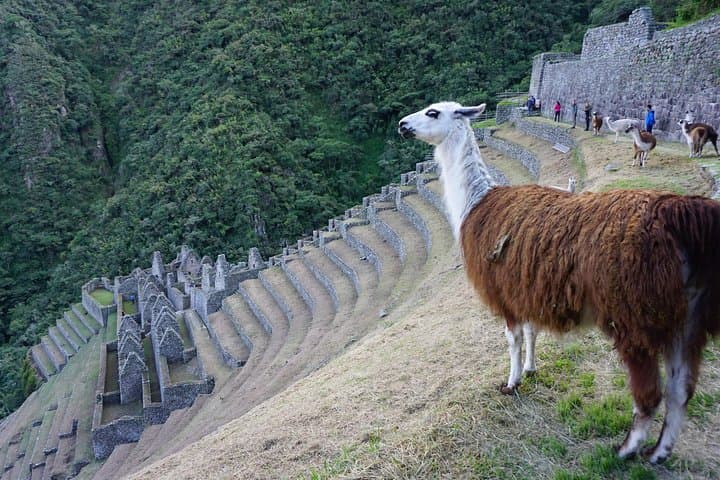
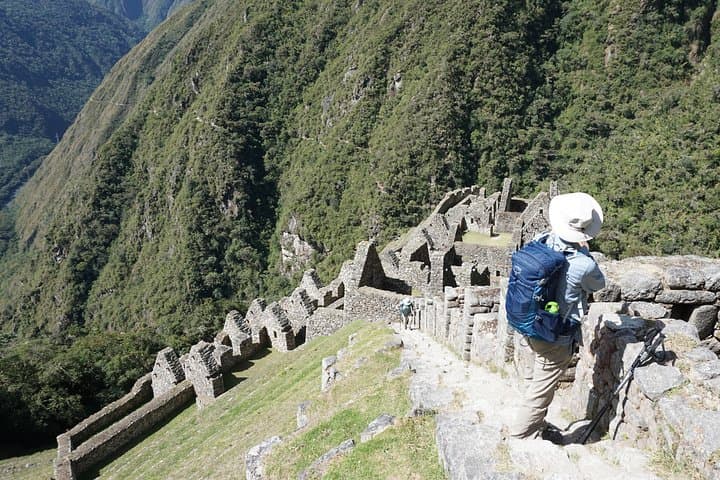
This short Inca Trail follows the same switchbacks that linked the highlands to the sacred city—archaeological sites such as Chachabamba and Wiñay Wayna punctuate the route. Geologically, you move from volcanic outcrops into steep, cloud-forested slopes where Andean soils hold millennia of terrace agriculture. Culturally, the route is an exercise in continuity: local Quechua communities maintain agricultural practices and guides translate not just language but a living relationship with the land.
Practical guidance is simple and necessary. The trek covers about 12 km over two days with maximum elevations around 2,700 m (Inti Punku) and starts from Km 104; expect narrow stone steps, some uneven carved paths, and short steep sections. Time your approach—this itinerary leaves Cusco early and uses an expedition-class train to the trailhead and a Vistadome return. Pack light for the hike (main luggage travels by train to Aguas Calientes), bring layers for rapid weather swings, and keep your passport ready—the government checks names against tickets.
On arrival you’ll have a guided 2.5-hour walk through Machu Picchu; if you want Huayna Picchu or Machu Picchu Mountain, reserve those permits well in advance. Hydrate, move deliberately on steps, and give the place time: the site rewards patience with views that tighten the throat and steady the heartbeat.
moderate.
2 days.
Moderate fitness—comfortable with steep, uneven stone steps and several hours of walking at altitude
The guided hike covers roughly 12 kilometers across archaeological waypoints such as Chachabamba and Wiñay Wayna, spread over the first day.
Yes—those summits require additional government permits with limited daily quotas; arrange them well in advance if you plan to climb.
Yes—this itinerary includes expedition-class train to the trailhead, free luggage transport to Aguas Calientes, and round-trip buses between Aguas Calientes and Machu Picchu.
The operator carries oxygen tanks and a first-aid kit; however, acclimatization in Cusco beforehand and conservative exertion on the trail are recommended.
The Inca Trail was a network of paved and stair-carved passages connecting administrative centers to Machu Picchu, constructed by the Inca in the 15th century under Pachacuti’s expansion.
Visitor numbers to Machu Picchu and associated trails are tightly controlled by permit quotas—stay on marked paths, avoid touching masonry, and pack out waste to protect fragile cloud-forest soils.
Kenko Adventures operates guided outdoor trips and adventures with an emphasis on safety, stewardship, and memorable experiences.
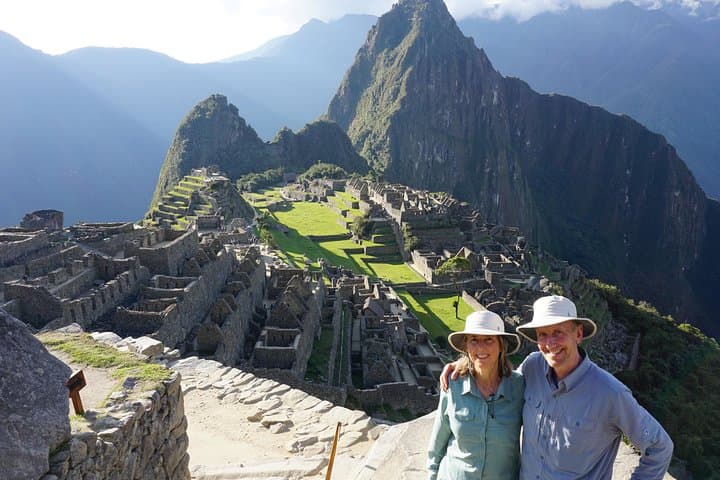
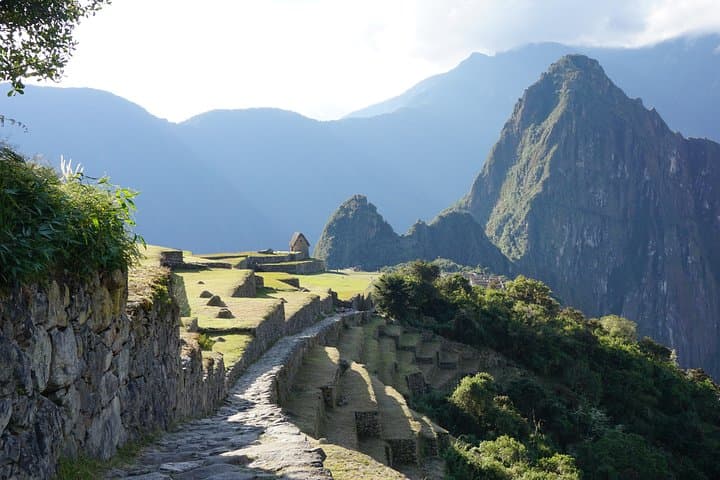
You crest a last rocky step and the valley drops away: terraces, the river coiling like a silver ribbon, and the citadel of Machu Picchu unfurling below. The air is thin and sharp; clouds push and pull across the peaks, and the stone plazas already hum with the history of footsteps older than the roads.
You crest a last rocky step and the valley drops away: terraces, the river coiling like a silver ribbon, and the citadel of Machu Picchu unfurling below. The air is thin and sharp; clouds push and pull across the peaks, and the stone plazas already hum with the history of footsteps older than the roads.
This short Inca Trail follows the same switchbacks that linked the highlands to the sacred city—archaeological sites such as Chachabamba and Wiñay Wayna punctuate the route. Geologically, you move from volcanic outcrops into steep, cloud-forested slopes where Andean soils hold millennia of terrace agriculture. Culturally, the route is an exercise in continuity: local Quechua communities maintain agricultural practices and guides translate not just language but a living relationship with the land.
Practical guidance is simple and necessary. The trek covers about 12 km over two days with maximum elevations around 2,700 m (Inti Punku) and starts from Km 104; expect narrow stone steps, some uneven carved paths, and short steep sections. Time your approach—this itinerary leaves Cusco early and uses an expedition-class train to the trailhead and a Vistadome return. Pack light for the hike (main luggage travels by train to Aguas Calientes), bring layers for rapid weather swings, and keep your passport ready—the government checks names against tickets.
On arrival you’ll have a guided 2.5-hour walk through Machu Picchu; if you want Huayna Picchu or Machu Picchu Mountain, reserve those permits well in advance. Hydrate, move deliberately on steps, and give the place time: the site rewards patience with views that tighten the throat and steady the heartbeat.