THE ADVENTURE COLLECTIVE® · Independent discovery and booking for outdoor travel

A compact, high-impact Inca Trail experience: hike the Wiñay Wayna sector, enter Machu Picchu through the Sun Gate, and spend a morning exploring the citadel. Perfect for travelers short on time but hungry for a true Andean trek.
A compact, high-impact Inca Trail experience: hike the Wiñay Wayna sector, enter Machu Picchu through the Sun Gate, and spend a morning exploring the citadel. Perfect for travelers short on time but hungry for a true Andean trek.
Dawn at Km. 104 feels like the trail testing you — mist lifts off the valley, the Urubamba River pushes at the gorge below, and a single staircase of Inca stone climbs toward the cloud forest. On this condensed two-day itinerary you trade a long expedition for a concentrated slice of the classic Inca Trail: an eight-hour trek through terraces and archaeological stations to the Wiñay Wayna complex, then the moment everyone remembers — stepping through Intipunku, the Sun Gate, into Machu Picchu's terraces.
Verified experiences and guided adventures in the surrounding area.
Operated by VIPAC Travel · Aguas Calientes (Machupicchu Pueblo), Cusco
Dawn at Km. 104 feels like the trail testing you — mist lifts off the valley, the Urubamba River pushes at the gorge below, and a single staircase of Inca stone climbs toward the cloud forest. On this condensed two-day itinerary you trade a long expedition for a concentrated slice of the classic Inca Trail: an eight-hour trek through terraces and archaeological stations to the Wiñay Wayna complex, then the moment everyone remembers — stepping through Intipunku, the Sun Gate, into Machu Picchu's terraces.
Geology here is blunt and immediate: steep folded Andes carved by rivers and time, volcanic-derived soils feeding dense montane forest. The route threads Inca-built steps and drainage channels engineered to last centuries. Culturally, the trail is a living route once used for pilgrimage and administration; Quechua-speaking communities in the region keep traditional rhythms and markets in nearby towns.
Practically, acclimatize in Cusco for 24–48 hours before departure; altitude is the real variable. Expect uneven stone staircases, muddy sections if it rained, and sensitive archaeological zones governed by timed circuits — your guide will advise the current route. Pack a refillable water container (plastic bottles are restricted), layered clothing for cold mornings and warm afternoons, and sturdy waterproof boots. Trains connect Aguas Calientes and Ollantaytambo on strict schedules; book early, bring original ID matching your ticket details, and arrive prepared for steep, sometimes crowded paths inside the citadel. Move deliberately, respect restricted sectors, and the payoff — terraces, shrines, and a sweeping view that forces a quiet, practical awe — is immediate.
challenging.
2 days.
Best for people with high cardiovascular fitness and experience with long day-hikes and stone staircases; prior altitude exposure helps.
Yes—Cusco sits above 3,300 m. Spend at least 24–48 hours in the city, hydrate, and avoid heavy exertion to reduce altitude sickness risk.
This tour includes the train ticket and Machu Picchu admission, but names and passport details must be provided early; tickets are linked to the passenger ID.
The express Inca Trail day involves up to 8 hours of hiking on uneven stone paths and staircases—expect sustained uphill sections and descents; good fitness is required.
Limited options exist at Aguas Calientes; on-trail vendors are minimal and plastic bottles are restricted, so bring a refillable bottle and snacks as recommended.
Sections of the Inca Trail were part of a wider imperial road network used for communication, pilgrimage and administration during the Inca period; many stone structures retain original drainage and construction techniques.
Visitor circuits, timed entries and a ban on single-use plastic are enforced to protect fragile archaeological sites and the cloud-forest ecosystem; stay on designated paths and follow guide instructions.
VIPAC Travel operates guided outdoor trips and adventures with an emphasis on safety, stewardship, and memorable experiences.
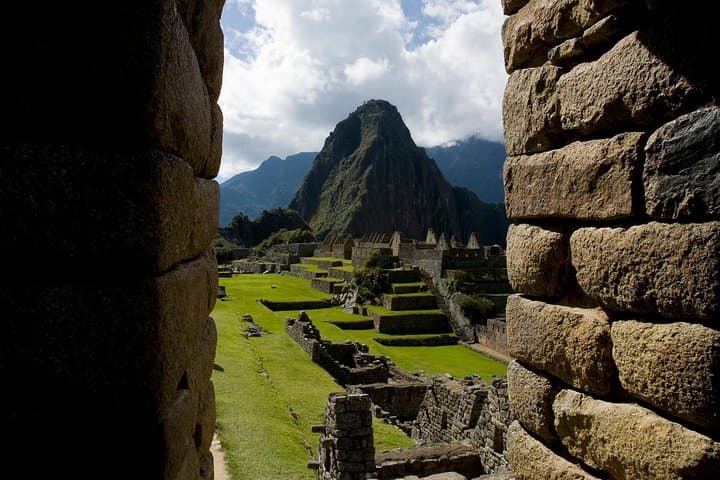
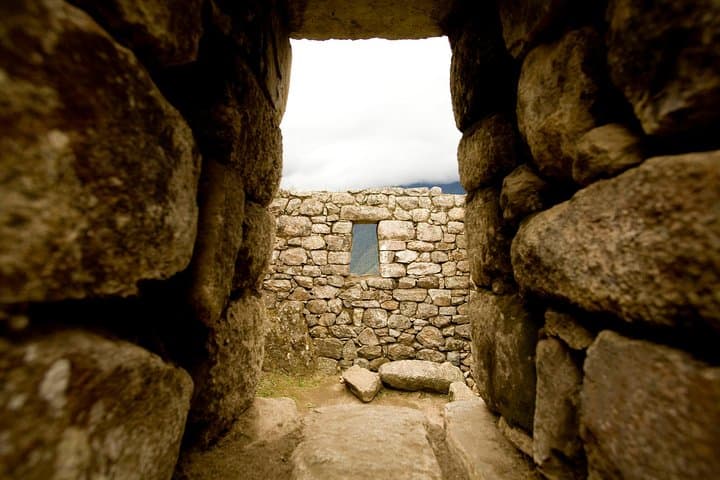
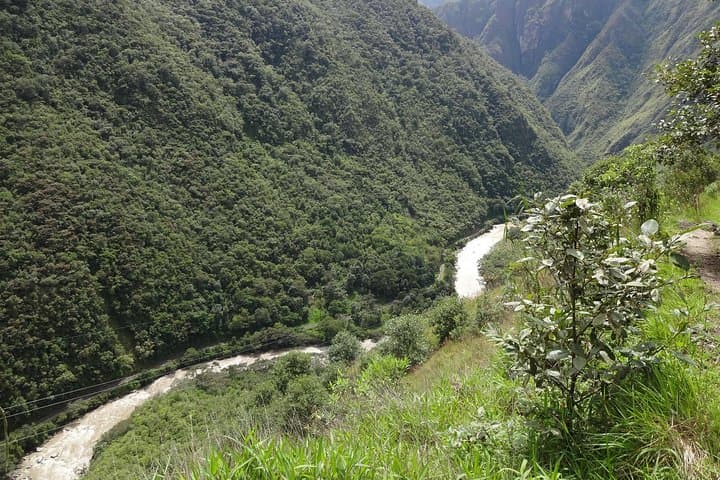
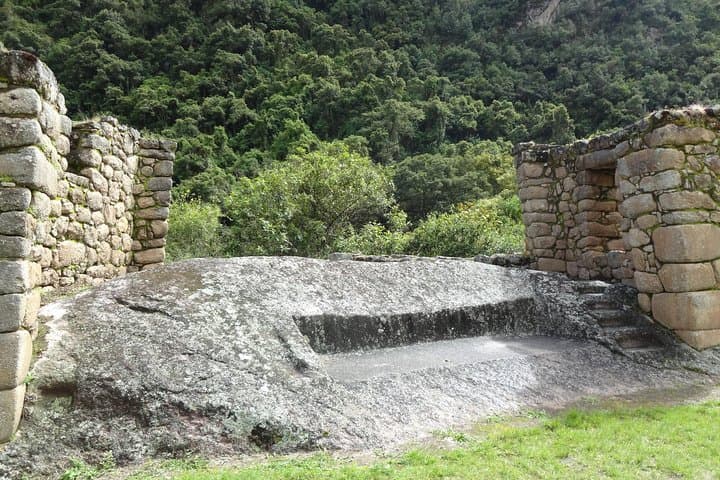
Dawn at Km. 104 feels like the trail testing you — mist lifts off the valley, the Urubamba River pushes at the gorge below, and a single staircase of Inca stone climbs toward the cloud forest. On this condensed two-day itinerary you trade a long expedition for a concentrated slice of the classic Inca Trail: an eight-hour trek through terraces and archaeological stations to the Wiñay Wayna complex, then the moment everyone remembers — stepping through Intipunku, the Sun Gate, into Machu Picchu's terraces.
Dawn at Km. 104 feels like the trail testing you — mist lifts off the valley, the Urubamba River pushes at the gorge below, and a single staircase of Inca stone climbs toward the cloud forest. On this condensed two-day itinerary you trade a long expedition for a concentrated slice of the classic Inca Trail: an eight-hour trek through terraces and archaeological stations to the Wiñay Wayna complex, then the moment everyone remembers — stepping through Intipunku, the Sun Gate, into Machu Picchu's terraces.
Geology here is blunt and immediate: steep folded Andes carved by rivers and time, volcanic-derived soils feeding dense montane forest. The route threads Inca-built steps and drainage channels engineered to last centuries. Culturally, the trail is a living route once used for pilgrimage and administration; Quechua-speaking communities in the region keep traditional rhythms and markets in nearby towns.
Practically, acclimatize in Cusco for 24–48 hours before departure; altitude is the real variable. Expect uneven stone staircases, muddy sections if it rained, and sensitive archaeological zones governed by timed circuits — your guide will advise the current route. Pack a refillable water container (plastic bottles are restricted), layered clothing for cold mornings and warm afternoons, and sturdy waterproof boots. Trains connect Aguas Calientes and Ollantaytambo on strict schedules; book early, bring original ID matching your ticket details, and arrive prepared for steep, sometimes crowded paths inside the citadel. Move deliberately, respect restricted sectors, and the payoff — terraces, shrines, and a sweeping view that forces a quiet, practical awe — is immediate.