THE ADVENTURE COLLECTIVE® · Independent discovery and booking for outdoor travel

Walk the short Inca Trail from KM 104 to Machu Picchu via Wiñayhuayna on a compact 2-day itinerary. Expect cloud-forest steps, ancient terraces and an arrival at the citadel at first light.
Walk the short Inca Trail from KM 104 to Machu Picchu via Wiñayhuayna on a compact 2-day itinerary. Expect cloud-forest steps, ancient terraces and an arrival at the citadel at first light.
You arrive at KM 104 where the railway gives way to stone steps and cloud forest; river voice below dares you onward as the path climbs. The first afternoon traces the Urubamba’s slopes, crossing the 104 km bridge and following a river-cut trail toward Wiñayhuayna. Ancient terraces and a patchwork of mossy stonework appear like chapters in a book, each step a page worn by centuries of feet.
Verified experiences and guided adventures in the surrounding area.
Operated by MACHUPICCHU SENSATIONS Travel & Expeditions · Aguas Calientes, Cusco
You arrive at KM 104 where the railway gives way to stone steps and cloud forest; river voice below dares you onward as the path climbs. The first afternoon traces the Urubamba’s slopes, crossing the 104 km bridge and following a river-cut trail toward Wiñayhuayna. Ancient terraces and a patchwork of mossy stonework appear like chapters in a book, each step a page worn by centuries of feet.
The route is part of the Inca road network built by the late 15th-century state to link Cusco with sanctuaries and frontier posts. Geologically, the trail threads steep Andean flanks carved by the river, where humid cloud forest clings to basalt and shale. Local Quechua communities still honor these routes; some guide traditions and oral histories survive along the approach to Machu Picchu.
Expect uneven stone staircases, short steep gains and stretches of singletrack through dense vegetation. Wiñayhuayna’s terraces and ruins are an atmospheric prelude; camping near the site lets the night’s mist rework the landscape’s contours. On day two you descend the final switchbacks to appear at the citadel as the morning light opens the archaeology for inspection.
Practical notes: this 2-day itinerary avoids the high passes of the 4-day trail but still demands sturdy footwear, good hydration and layered rain protection. Permits are limited—book in advance. Start early both days to avoid heat and crowds, and move at a steady pace on the stone steps to manage altitude and preserve energy.
moderate.
2 days (approx. 8–10 hours hiking total).
Reasonable cardio fitness; able to manage continuous stair climbs and uneven terrain for several hours.
Yes. The short Inca Trail requires a government permit that tour operators secure; numbers are strictly limited so book well in advance.
This short route avoids the high passes of the full trail and is less strenuous, but stone stairs and altitude still make it a moderate challenge.
Most of the short trail runs between roughly 2,200–2,700 meters; Machu Picchu sits around 2,430 meters, so acclimatization in Cusco (3,400 m) beforehand helps.
Yes—this tour typically includes one night of camping (or hotel options), plus meals as listed; confirm sleeping arrangements with the operator beforehand.
The trail is a surviving arm of the Inca road system, used for pilgrims and messengers connecting Cusco to highland sanctuaries during the 15th century.
The Inca Trail is tightly regulated with daily permit limits; stay on designated paths, avoid single-use plastics and follow local waste protocols to protect fragile cloud-forest ecosystems.
MACHUPICCHU SENSATIONS Travel & Expeditions operates guided outdoor trips and adventures with an emphasis on safety, stewardship, and memorable experiences.
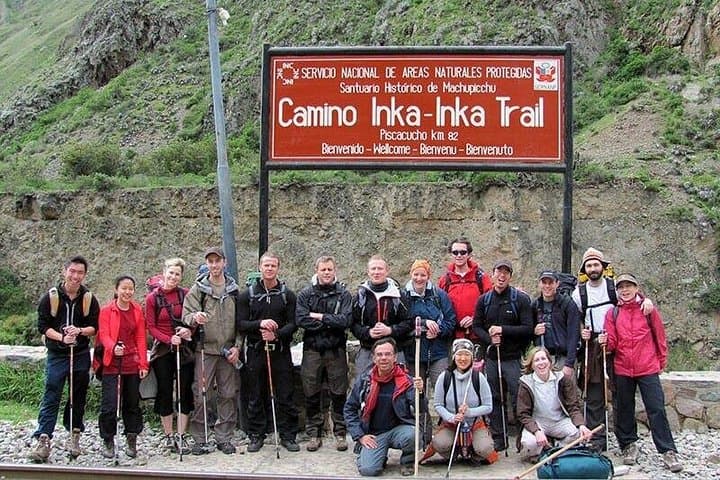
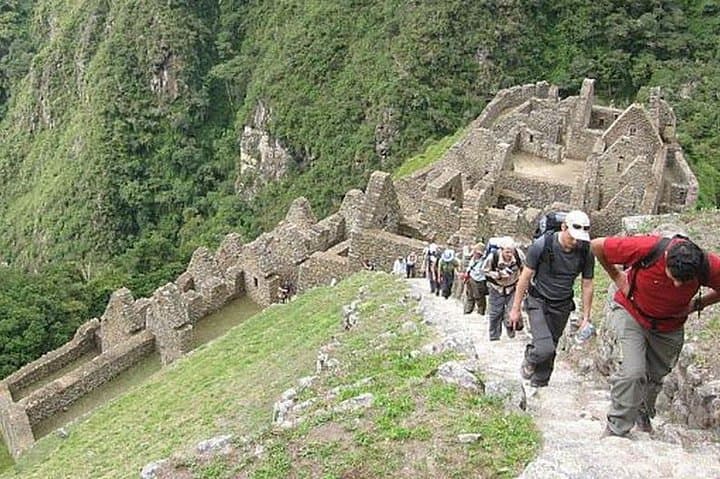
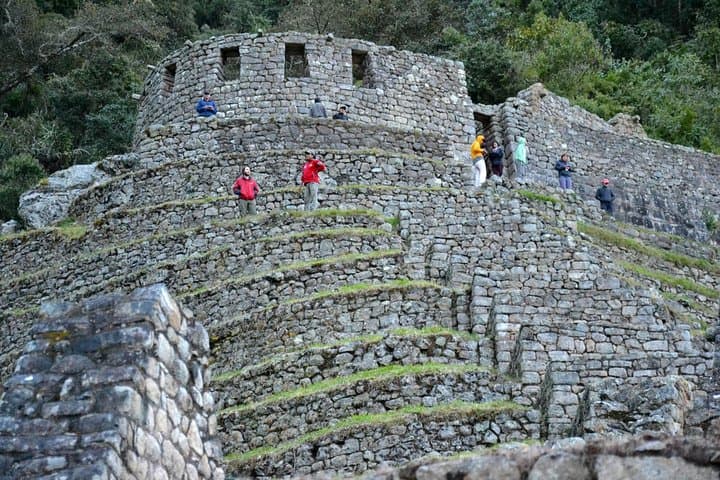
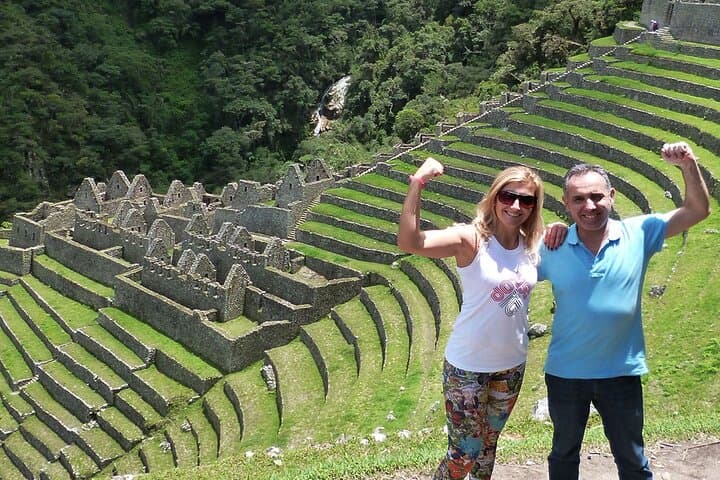
You arrive at KM 104 where the railway gives way to stone steps and cloud forest; river voice below dares you onward as the path climbs. The first afternoon traces the Urubamba’s slopes, crossing the 104 km bridge and following a river-cut trail toward Wiñayhuayna. Ancient terraces and a patchwork of mossy stonework appear like chapters in a book, each step a page worn by centuries of feet.
You arrive at KM 104 where the railway gives way to stone steps and cloud forest; river voice below dares you onward as the path climbs. The first afternoon traces the Urubamba’s slopes, crossing the 104 km bridge and following a river-cut trail toward Wiñayhuayna. Ancient terraces and a patchwork of mossy stonework appear like chapters in a book, each step a page worn by centuries of feet.
The route is part of the Inca road network built by the late 15th-century state to link Cusco with sanctuaries and frontier posts. Geologically, the trail threads steep Andean flanks carved by the river, where humid cloud forest clings to basalt and shale. Local Quechua communities still honor these routes; some guide traditions and oral histories survive along the approach to Machu Picchu.
Expect uneven stone staircases, short steep gains and stretches of singletrack through dense vegetation. Wiñayhuayna’s terraces and ruins are an atmospheric prelude; camping near the site lets the night’s mist rework the landscape’s contours. On day two you descend the final switchbacks to appear at the citadel as the morning light opens the archaeology for inspection.
Practical notes: this 2-day itinerary avoids the high passes of the 4-day trail but still demands sturdy footwear, good hydration and layered rain protection. Permits are limited—book in advance. Start early both days to avoid heat and crowds, and move at a steady pace on the stone steps to manage altitude and preserve energy.