THE ADVENTURE COLLECTIVE® · Independent discovery and booking for outdoor travel

A compact, two-day stretch of the classic Inca Trail delivers carved stone stairways, cloud-forest hiking, and the dramatic arrival at Machu Picchu. Expect steep sections, changing weather, and permits—this route gives the essentials of the full trail in an intense, manageable package.
A compact, two-day stretch of the classic Inca Trail delivers carved stone stairways, cloud-forest hiking, and the dramatic arrival at Machu Picchu. Expect steep sections, changing weather, and permits—this route gives the essentials of the full trail in an intense, manageable package.
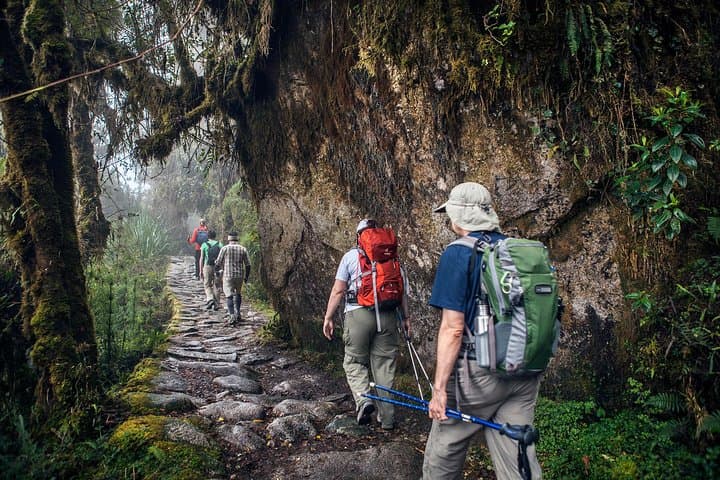
You step onto a stony path that tightens through cloud-shadowed forest, the trail rising and falling like an old pulse toward a city the mountains have kept watch over for centuries.
Verified experiences and guided adventures in the surrounding area.
Operated by PVTravels · Aguas Calientes, Cusco
You step onto a stony path that tightens through cloud-shadowed forest, the trail rising and falling like an old pulse toward a city the mountains have kept watch over for centuries.
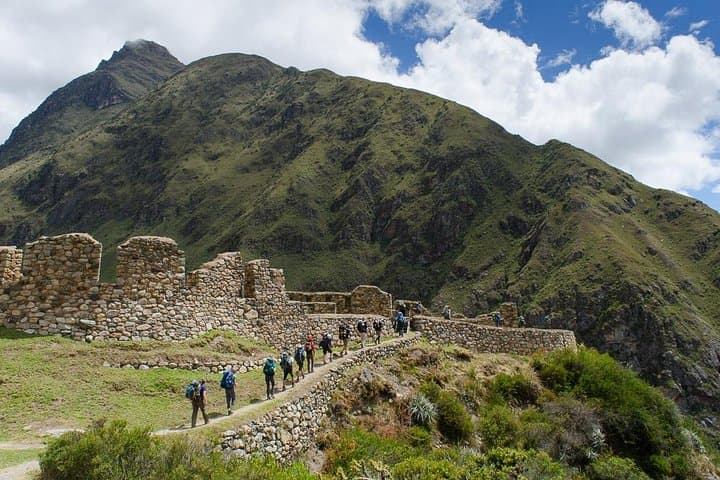
This two-day Inca Trail compresses the classic pilgrimage: high Andean passes, carved stone stairs, and the ritual sequence of small archaeological sites that lead to the grand reveal of Machu Picchu. The route follows original Inca causeways and switchbacks cut into volcanic slopes, moving from humid montane forest into mist-draped cloud forest. Geologically, the trail threads sedimentary terraces and eroded volcanic spurs shaped by glacial melt and river incision.
Built by Inka road builders to connect administrative and religious centers, the path still carries echoes of ritual travel. Local Quechua communities around Ollantaytambo and Aguas Calientes keep traditions alive; you’ll hear Andean melodies and see agricultural terraces that have fed highland families for generations.
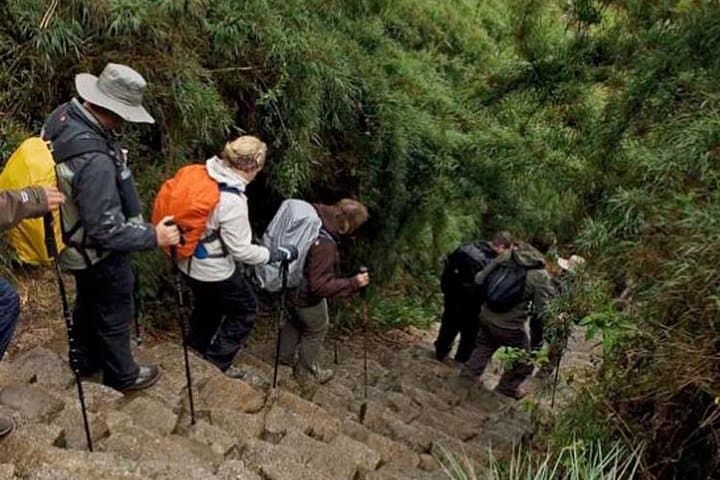
Practically: expect steep stone stair sections, sustained altitude up to about 2,700–2,800 m on the trail, and 8–12 hours of walking spread over two days. Permits are required and managed to limit impact, so bookings are essential long before travel season. Pack layers for fast-changing weather, a rain shell for afternoon storms, and snacks for energy on long climbs. Allow time at Machu Picchu for the guided circuit and quieter viewpoints before the bus line peaks. Hydrate, pace on the ascents, and leave no trace—the trail is both fragile and unforgettable.
challenging.
2 days.
Good aerobic fitness and experience with full-day hikes; able to handle sustained ascents and stone steps at altitude.
Yes. The Inca Trail requires a government-issued permit tied to your passport; permits are limited and must be booked through an authorized operator.
The 2-day version is more compressed—shorter overall time but still strenuous due to long walking days and steep sections; it’s physically demanding but logistically simpler.
Trail elevations range roughly 2,000–2,800 m; acclimatize in Cusco for 48+ hours, stay hydrated, ascend slowly, and consider acetazolamide if advised by a physician.
Yes—this itinerary typically includes train segments, one hotel night in Aguas Calientes, and meals as noted; bring snacks for daytime energy on the trail.
The Inca Trail was part of a vast road network used for administration, pilgrimage, and communication, culminating in sacred sites like Machu Picchu.
Visitor numbers are capped and permits enforced to protect archaeological sites and fragile cloud-forest ecosystems; practice leave-no-trace and follow guide instructions.
PVTravels operates guided outdoor trips and adventures with an emphasis on safety, stewardship, and memorable experiences.
You step onto a stony path that tightens through cloud-shadowed forest, the trail rising and falling like an old pulse toward a city the mountains have kept watch over for centuries.
You step onto a stony path that tightens through cloud-shadowed forest, the trail rising and falling like an old pulse toward a city the mountains have kept watch over for centuries.
This two-day Inca Trail compresses the classic pilgrimage: high Andean passes, carved stone stairs, and the ritual sequence of small archaeological sites that lead to the grand reveal of Machu Picchu. The route follows original Inca causeways and switchbacks cut into volcanic slopes, moving from humid montane forest into mist-draped cloud forest. Geologically, the trail threads sedimentary terraces and eroded volcanic spurs shaped by glacial melt and river incision.
Built by Inka road builders to connect administrative and religious centers, the path still carries echoes of ritual travel. Local Quechua communities around Ollantaytambo and Aguas Calientes keep traditions alive; you’ll hear Andean melodies and see agricultural terraces that have fed highland families for generations.
Practically: expect steep stone stair sections, sustained altitude up to about 2,700–2,800 m on the trail, and 8–12 hours of walking spread over two days. Permits are required and managed to limit impact, so bookings are essential long before travel season. Pack layers for fast-changing weather, a rain shell for afternoon storms, and snacks for energy on long climbs. Allow time at Machu Picchu for the guided circuit and quieter viewpoints before the bus line peaks. Hydrate, pace on the ascents, and leave no trace—the trail is both fragile and unforgettable.