THE ADVENTURE COLLECTIVE® · Independent discovery and booking for outdoor travel

Walk the classic Short Inca Trail from Km 104 to Machu Picchu in two days—through cloud forest, stone stairways and the iconic Wiñay Wayna ruins—arriving at Intipunku (Sun Gate) for a sunrise reveal of the citadel. This concise trek balances history, scenery and accessible effort for travelers with moderate fitness.
Walk the classic Short Inca Trail from Km 104 to Machu Picchu in two days—through cloud forest, stone stairways and the iconic Wiñay Wayna ruins—arriving at Intipunku (Sun Gate) for a sunrise reveal of the citadel. This concise trek balances history, scenery and accessible effort for travelers with moderate fitness.
Dawn on the Short Inca Trail arrives cool and damp, cloud forest breathing around you as the train unloads at Km 104. You shoulder a daypack, present your passport at the INRENA control point, and step onto ancient stone stairways that rise through mossed walls and orchid-dotted slopes.
Verified experiences and guided adventures in the surrounding area.
Operated by Andino Tours Peru · Aguas Calientes, Cusco Region
Dawn on the Short Inca Trail arrives cool and damp, cloud forest breathing around you as the train unloads at Km 104. You shoulder a daypack, present your passport at the INRENA control point, and step onto ancient stone stairways that rise through mossed walls and orchid-dotted slopes.
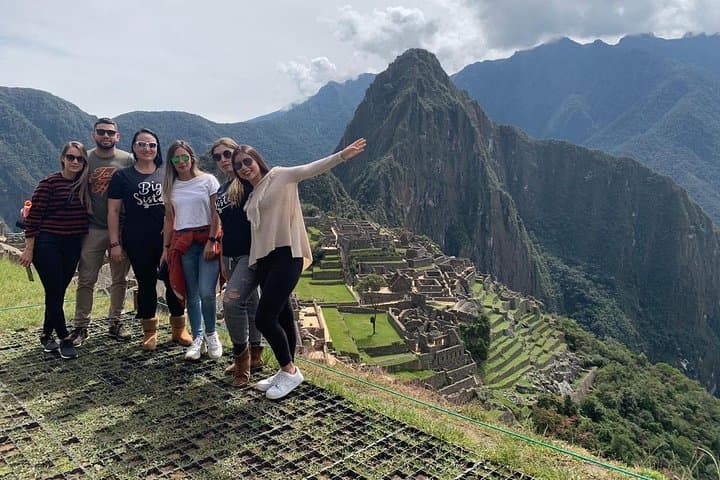
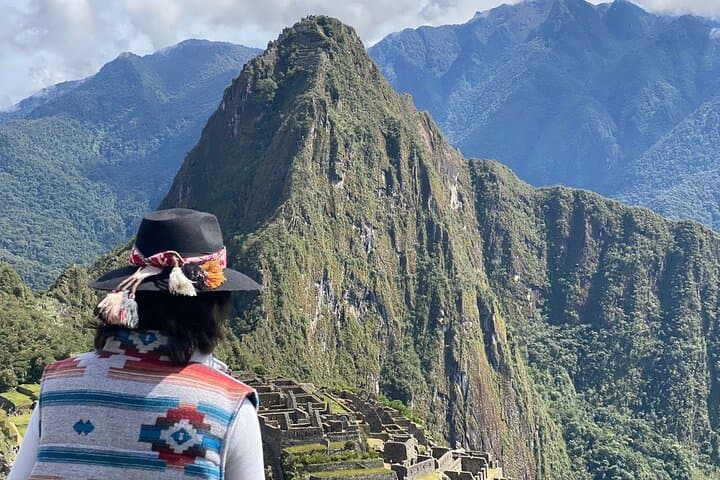
The trail follows Inca footsteps to Wiñay Wayna—a compact cluster of terraces and temples clinging to a steep ridge—before pushing higher toward Intipunku, the Sun Gate, where Machu Picchu first floods into view. Geologically this corridor cuts the eastern slope of the Andes where volcanic and sedimentary layers tilt north; trails are stone-set andesite steps carved for drainage and traction. Culturally, the route is part of the Qhapaq Ñan, the Inca road network that linked Cusco to outlying settlements; travelers pass ruins that served agricultural, ritual, and checkpoint functions.
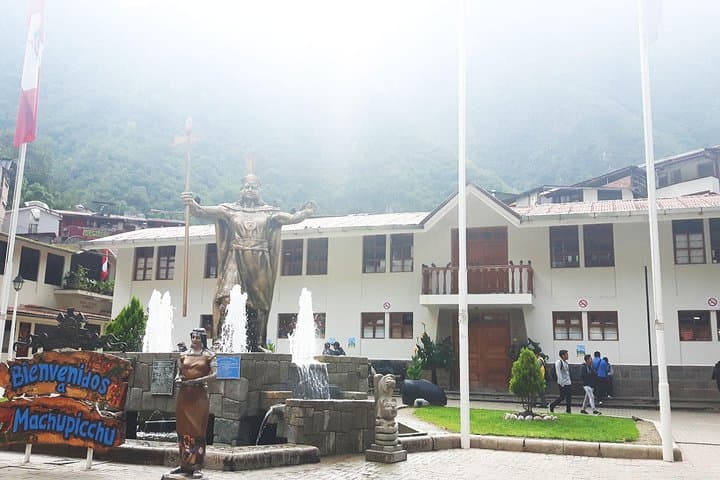
Expect roughly 8–10 km of hiking spread across two days with 300–600 m of net elevation change depending on your starting point. Terrain alternates compacted dirt, carved stone staircases and narrow ridgelines through cloud forest and high montane scrub. Guides interpret the ruins, point out endemic flora and birds, and manage logistics: train, entry permits, a hotel night in Aguas Calientes, and return bus to Ollantaytambo.
Practical notes: acclimatize in Cusco for 48 hours if possible, bring sturdy boots and a waterproof layer, and carry water and snacks for steep sections. Timed entry to Machu Picchu requires original passport and your entrance ticket—pack them where they’re easy to access. Follow your guide’s route, respect site rules, and plan for variable weather—this hike is as much about patience with elevation as it is about the final, unforgettable reveal of the citadel.
moderate.
2 days (≈8–10 hours hiking total).
Suitable for travelers with regular cardio activity and comfort on uneven stone stairs; stair-climbing ability helps.
Yes—this short-route ticket is distinct from the classic 4-day permit and is provided with your tour; bring it and your passport to gain access.
The trail is moderate but strenuous when combined with altitude; allow acclimatization time in Cusco and move at a measured pace.
Typical departures begin before dawn with transfers from Cusco to Ollantaytambo, then an early train to Km 104; your operator manages these logistics.
On the 2-day option you arrive through the Sun Gate on day one and sleep in Aguas Calientes, then re-enter Machu Picchu on day two with scheduled guided access.
The Short Inca Trail follows sections of the Qhapaq Ñan, the Inca road network; Machu Picchu was constructed in the 15th century and re‑introduced to wider attention in the early 20th century.
Visitor numbers and time slots are regulated—stay on designated paths, avoid touching masonry, and pack out waste to protect fragile archaeological and cloud-forest ecosystems.
Andino Tours Peru operates guided outdoor trips and adventures with an emphasis on safety, stewardship, and memorable experiences.
Dawn on the Short Inca Trail arrives cool and damp, cloud forest breathing around you as the train unloads at Km 104. You shoulder a daypack, present your passport at the INRENA control point, and step onto ancient stone stairways that rise through mossed walls and orchid-dotted slopes.
Dawn on the Short Inca Trail arrives cool and damp, cloud forest breathing around you as the train unloads at Km 104. You shoulder a daypack, present your passport at the INRENA control point, and step onto ancient stone stairways that rise through mossed walls and orchid-dotted slopes.
The trail follows Inca footsteps to Wiñay Wayna—a compact cluster of terraces and temples clinging to a steep ridge—before pushing higher toward Intipunku, the Sun Gate, where Machu Picchu first floods into view. Geologically this corridor cuts the eastern slope of the Andes where volcanic and sedimentary layers tilt north; trails are stone-set andesite steps carved for drainage and traction. Culturally, the route is part of the Qhapaq Ñan, the Inca road network that linked Cusco to outlying settlements; travelers pass ruins that served agricultural, ritual, and checkpoint functions.
Expect roughly 8–10 km of hiking spread across two days with 300–600 m of net elevation change depending on your starting point. Terrain alternates compacted dirt, carved stone staircases and narrow ridgelines through cloud forest and high montane scrub. Guides interpret the ruins, point out endemic flora and birds, and manage logistics: train, entry permits, a hotel night in Aguas Calientes, and return bus to Ollantaytambo.
Practical notes: acclimatize in Cusco for 48 hours if possible, bring sturdy boots and a waterproof layer, and carry water and snacks for steep sections. Timed entry to Machu Picchu requires original passport and your entrance ticket—pack them where they’re easy to access. Follow your guide’s route, respect site rules, and plan for variable weather—this hike is as much about patience with elevation as it is about the final, unforgettable reveal of the citadel.