THE ADVENTURE COLLECTIVE® · Independent discovery and booking for outdoor travel

This two‑day short Inca Trail condenses classic Andean trekking into a concentrated experience: Km 104 to the Sun Gate via Wiñay Wayna, finishing with sunrise over Machu Picchu. It’s an accessible way to reach the citadel with less time on the trail but the same dramatic payoff.
This two‑day short Inca Trail condenses classic Andean trekking into a concentrated experience: Km 104 to the Sun Gate via Wiñay Wayna, finishing with sunrise over Machu Picchu. It’s an accessible way to reach the citadel with less time on the trail but the same dramatic payoff.
Dawn breaks over the Andean spine as the train slides past terraced slopes and plunges toward Km 104 — the short Inca Trail’s unpretentious trailhead. Hikers step onto a stony path that climbs through cloud forest, orchids clinging to mossy trunks and streams daring you around tight switchbacks, all directed toward a first, unforgettable view at the Sun Gate.
Verified experiences and guided adventures in the surrounding area.
Operated by Southern Peru Explorers · Aguas Calientes, Cusco
Dawn breaks over the Andean spine as the train slides past terraced slopes and plunges toward Km 104 — the short Inca Trail’s unpretentious trailhead. Hikers step onto a stony path that climbs through cloud forest, orchids clinging to mossy trunks and streams daring you around tight switchbacks, all directed toward a first, unforgettable view at the Sun Gate.
This compact route threads through living Inca infrastructure: agricultural terraces, stone stairways and the ruins of Cachabamba and Wiñay Wayna. Geologically, the trail traces seams of volcanic and metamorphic rock carved by glaciers and tropical rivers; culturally, it follows paths pilgrims used to approach the sacred citadel that culminates at Machu Picchu — a 15th‑century Inca site that became a UNESCO World Heritage Site in 1983.
Locals in Aguas Calientes supply fuel for the town’s tourism economy with cafés and artisan stalls; GPS fades as stone and altitude take over. Expect humid mornings, sudden afternoon showers in the rainy months, and cold, thin air at higher viewpoints. Guides interpret carpentered stonework and irrigation features while pointing out hummingbirds and Andes ferns.
Practically: hike steady, carry layered clothing and a waterproof shell, and plan for 6–8 hours of walking on day one with built time for photography and site visits. Bring cash for small purchases in Aguas Calientes and allow time for train schedules. Permit and train logistics are handled by the operator, but book early — quotas fill quickly. The route rewards measured effort with sweeping, up-close access to Machu Picchu’s sunrise and the rounded silence of the Sun Gate.
moderate.
2 days.
Moderate fitness: able to hike 6–8 hours with uneven stone steps and short steep sections; comfortable with altitude.
Yes — access to the short Inca Trail and Machu Picchu is regulated; the operator manages tickets and train reservations, so book well in advance to secure your spot.
The trail reaches moderate elevations but most symptoms come from travel to Cusco; acclimatize beforehand, stay hydrated, and descend if symptoms worsen.
Fit beginners who are comfortable walking several hours on uneven stone can complete it, but the itinerary requires steady pace and basic stamina.
Overnight accommodation is in Aguas Calientes; most operators arrange train luggage or offer storage at your Cusco hotel before departure.
The trail follows original Inca routes used to access Machu Picchu’s ceremonial and agricultural zones; stonework along the way reflects sophisticated drainage and terrace engineering.
Machu Picchu has strict visitor quotas and trail regulations to limit erosion and cultural damage; stick to paths, pack out waste, and use licensed guides to minimize impact.
Southern Peru Explorers operates guided outdoor trips and adventures with an emphasis on safety, stewardship, and memorable experiences.
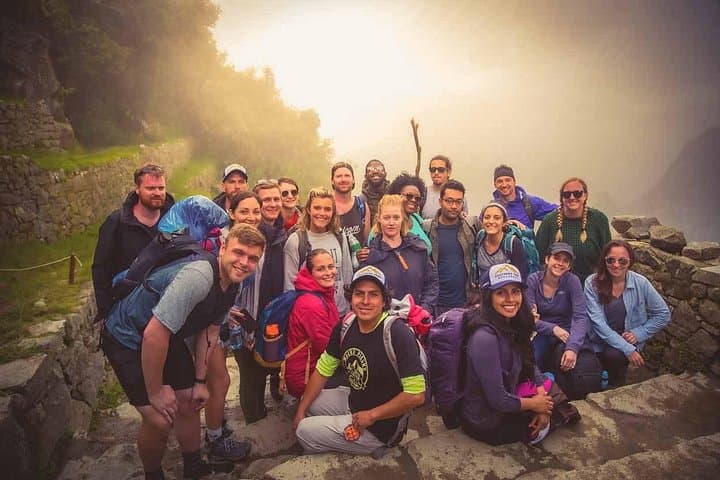
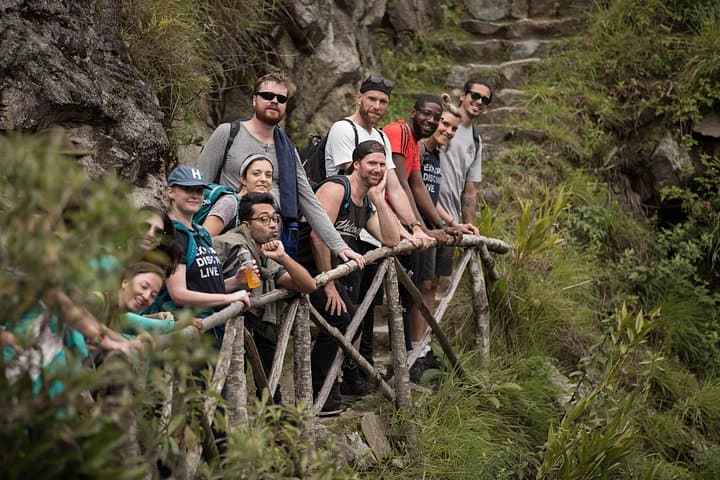
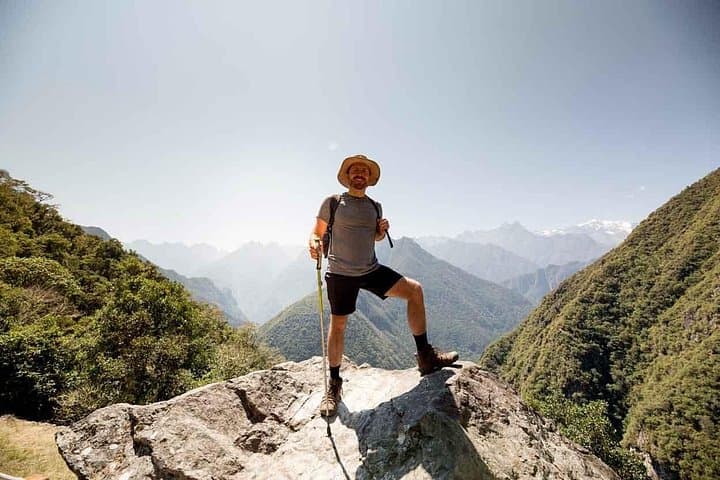
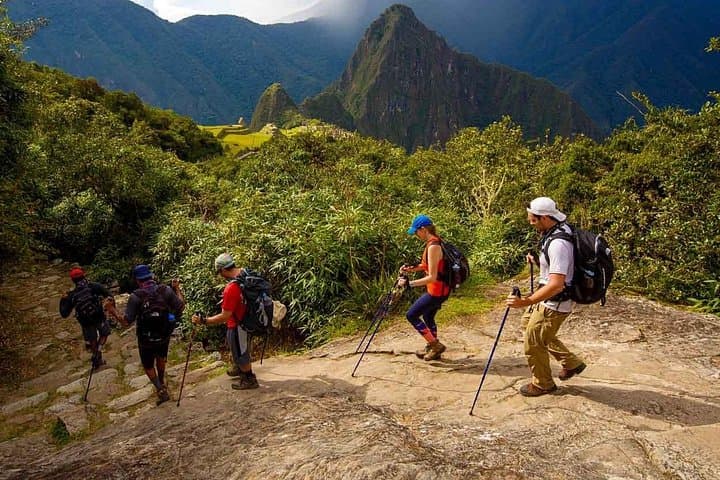
Dawn breaks over the Andean spine as the train slides past terraced slopes and plunges toward Km 104 — the short Inca Trail’s unpretentious trailhead. Hikers step onto a stony path that climbs through cloud forest, orchids clinging to mossy trunks and streams daring you around tight switchbacks, all directed toward a first, unforgettable view at the Sun Gate.
Dawn breaks over the Andean spine as the train slides past terraced slopes and plunges toward Km 104 — the short Inca Trail’s unpretentious trailhead. Hikers step onto a stony path that climbs through cloud forest, orchids clinging to mossy trunks and streams daring you around tight switchbacks, all directed toward a first, unforgettable view at the Sun Gate.
This compact route threads through living Inca infrastructure: agricultural terraces, stone stairways and the ruins of Cachabamba and Wiñay Wayna. Geologically, the trail traces seams of volcanic and metamorphic rock carved by glaciers and tropical rivers; culturally, it follows paths pilgrims used to approach the sacred citadel that culminates at Machu Picchu — a 15th‑century Inca site that became a UNESCO World Heritage Site in 1983.
Locals in Aguas Calientes supply fuel for the town’s tourism economy with cafés and artisan stalls; GPS fades as stone and altitude take over. Expect humid mornings, sudden afternoon showers in the rainy months, and cold, thin air at higher viewpoints. Guides interpret carpentered stonework and irrigation features while pointing out hummingbirds and Andes ferns.
Practically: hike steady, carry layered clothing and a waterproof shell, and plan for 6–8 hours of walking on day one with built time for photography and site visits. Bring cash for small purchases in Aguas Calientes and allow time for train schedules. Permit and train logistics are handled by the operator, but book early — quotas fill quickly. The route rewards measured effort with sweeping, up-close access to Machu Picchu’s sunrise and the rounded silence of the Sun Gate.