THE ADVENTURE COLLECTIVE® · Independent discovery and booking for outdoor travel

A condensed version of the famed Inca Trail that delivers cloud-forest hiking, stone staircases, and an iconic sunrise arrival at Machu Picchu. This 2-day option is practical for travelers short on time but still seeking the trail’s best sections—plan for steep steps, variable weather, and required permits.
A condensed version of the famed Inca Trail that delivers cloud-forest hiking, stone staircases, and an iconic sunrise arrival at Machu Picchu. This 2-day option is practical for travelers short on time but still seeking the trail’s best sections—plan for steep steps, variable weather, and required permits.
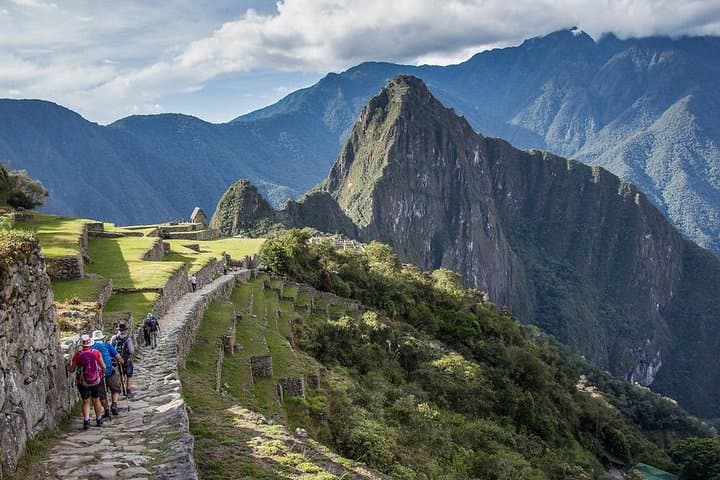
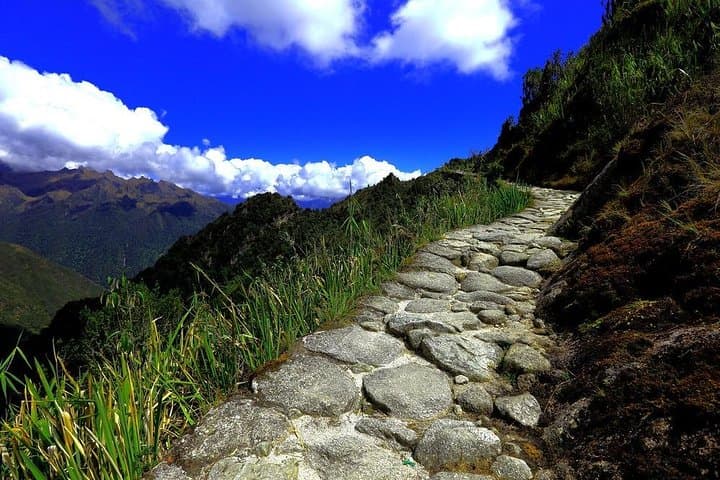
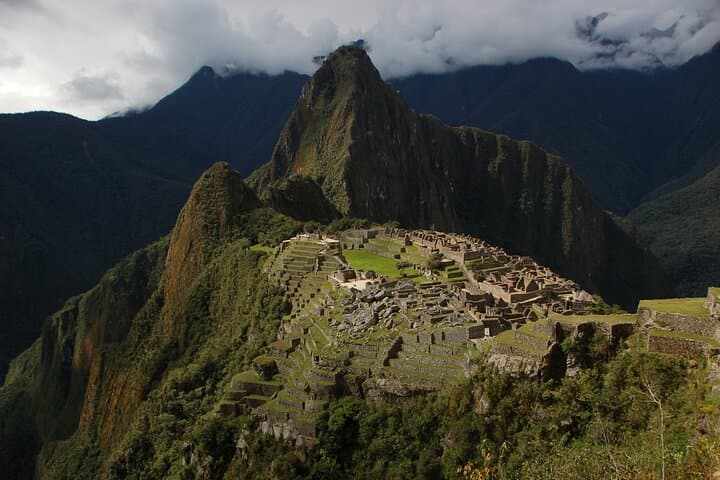
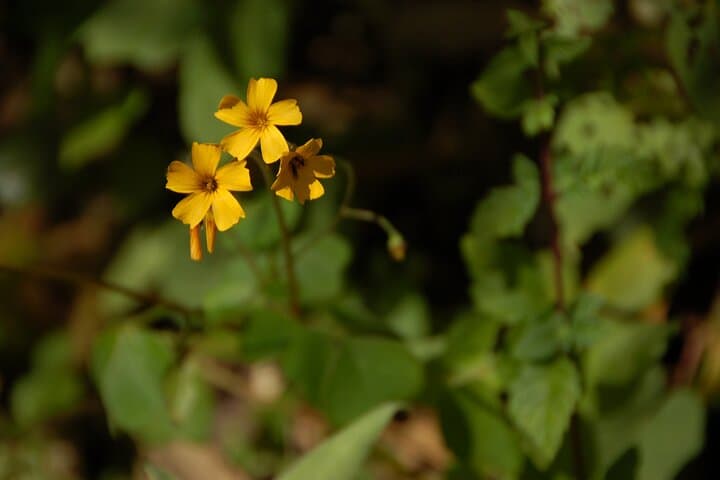
At first light the train slides past terraces and river canyons, depositing hikers at Km 104 where mossy Inca steps and cloud forest meet. The trail climbs through orchids and shadowed gullies, the Urubamba River below daring you downstream while the stone path pulls you steadily upward toward the Sun Gate and a first, sudden glimpse of Machu Picchu.
Verified experiences and guided adventures in the surrounding area.
Operated by Inca Path Tour Operator · Aguas Calientes, Cusco
At first light the train slides past terraces and river canyons, depositing hikers at Km 104 where mossy Inca steps and cloud forest meet. The trail climbs through orchids and shadowed gullies, the Urubamba River below daring you downstream while the stone path pulls you steadily upward toward the Sun Gate and a first, sudden glimpse of Machu Picchu.
The route follows engineered Inca causeways and switchback stone staircases carved into Andean granite. Wiñayhuayna, an impressive set of terraces and structures along the way, hints at the trail’s ceremonial use—possibly housing priests who worked with the citadel. Geologically the corridor sits on uplifted Andean rock with persistent cloud-forest moisture that feeds a dense canopy and a riot of orchids and ferns.
Practically, expect roughly 10–12 km of hiking over one long day with cumulative ascent of about 400–600 m depending on the exact start, mixed terrain of stone staircases, single-track dirt, and wet roots. The pace is steady: allow 5–7 hours on-trail to reach Inti Punku (Sun Gate) and another 1–2 hours for the Machu Picchu site circuit. Permits are required for the Inca Trail and are checked at the control point—bring your passport. Acclimatize in Cusco beforehand, bring a waterproof shell, sturdy boots for steep steps, and at least 2 liters of water. Time departures early to avoid mid-day crowds and finish at the Sun Gate when light reveals the citadel’s contours.
The experience pairs raw mountain weather with millennia-old craftsmanship—walk prepared, move respectfully, and let the trail unfold its history step by measured step.
moderate.
2 days.
Suitable for hikers with regular cardio fitness and experience on sustained uphill terrain; some stair-climbing endurance required.
The on-trail portion is typically 10–12 km with 5–7 hours hiking on day one to the Sun Gate and Machu Picchu viewpoints; the tour spans two calendar days including transfers and a night in Aguas Calientes.
Yes—Inca Trail permits are required and checked at the control point; tour operators usually include entrance fees so confirm before travel and carry your passport.
Altitude can affect anyone—Cusco is higher than the trail, so rest 24–48 hours after arrival, stay hydrated, and move at a steady pace to reduce symptoms.
Basic facilities exist at major checkpoints and at the trailhead, but expect limited options on the route itself; use facilities in Aguas Calientes before and after the hike.
The Inca Trail is part of a vast pre-Columbian road network serving the Inca state; Machu Picchu dates to the 15th century as a royal and ceremonial center.
Access is controlled via permits to limit impact—stay on designated trails, pack out waste, and avoid single-use plastics to protect fragile cloud-forest ecosystems.
Inca Path Tour Operator operates guided outdoor trips and adventures with an emphasis on safety, stewardship, and memorable experiences.
At first light the train slides past terraces and river canyons, depositing hikers at Km 104 where mossy Inca steps and cloud forest meet. The trail climbs through orchids and shadowed gullies, the Urubamba River below daring you downstream while the stone path pulls you steadily upward toward the Sun Gate and a first, sudden glimpse of Machu Picchu.
At first light the train slides past terraces and river canyons, depositing hikers at Km 104 where mossy Inca steps and cloud forest meet. The trail climbs through orchids and shadowed gullies, the Urubamba River below daring you downstream while the stone path pulls you steadily upward toward the Sun Gate and a first, sudden glimpse of Machu Picchu.
The route follows engineered Inca causeways and switchback stone staircases carved into Andean granite. Wiñayhuayna, an impressive set of terraces and structures along the way, hints at the trail’s ceremonial use—possibly housing priests who worked with the citadel. Geologically the corridor sits on uplifted Andean rock with persistent cloud-forest moisture that feeds a dense canopy and a riot of orchids and ferns.
Practically, expect roughly 10–12 km of hiking over one long day with cumulative ascent of about 400–600 m depending on the exact start, mixed terrain of stone staircases, single-track dirt, and wet roots. The pace is steady: allow 5–7 hours on-trail to reach Inti Punku (Sun Gate) and another 1–2 hours for the Machu Picchu site circuit. Permits are required for the Inca Trail and are checked at the control point—bring your passport. Acclimatize in Cusco beforehand, bring a waterproof shell, sturdy boots for steep steps, and at least 2 liters of water. Time departures early to avoid mid-day crowds and finish at the Sun Gate when light reveals the citadel’s contours.
The experience pairs raw mountain weather with millennia-old craftsmanship—walk prepared, move respectfully, and let the trail unfold its history step by measured step.