THE ADVENTURE COLLECTIVE® · Independent discovery and booking for outdoor travel

Condensed yet classic: the 2-day Short Inca Trail climbs original Inca stonework from Km 104 to Intipunku, delivering a dawn reveal of Machu Picchu. Expect steep stone stairways, cloud-forest views, and a full day at the citadel.
Condensed yet classic: the 2-day Short Inca Trail climbs original Inca stonework from Km 104 to Intipunku, delivering a dawn reveal of Machu Picchu. Expect steep stone stairways, cloud-forest views, and a full day at the citadel.
Morning fog peels off the cloud forest as your group steps onto the ancient stone path at Km 104. The trail climbs through moss-draped walls and narrow staircases, each step an old Inca route carved to link highland communities. By midafternoon you reach Wiñaywayna, a compact complex of terraces and stairways that feels like a living hinge between valley and summit.
Verified experiences and guided adventures in the surrounding area.
Operated by Peru Top Experience · Aguas Calientes, Cusco
Morning fog peels off the cloud forest as your group steps onto the ancient stone path at Km 104. The trail climbs through moss-draped walls and narrow staircases, each step an old Inca route carved to link highland communities. By midafternoon you reach Wiñaywayna, a compact complex of terraces and stairways that feels like a living hinge between valley and summit.
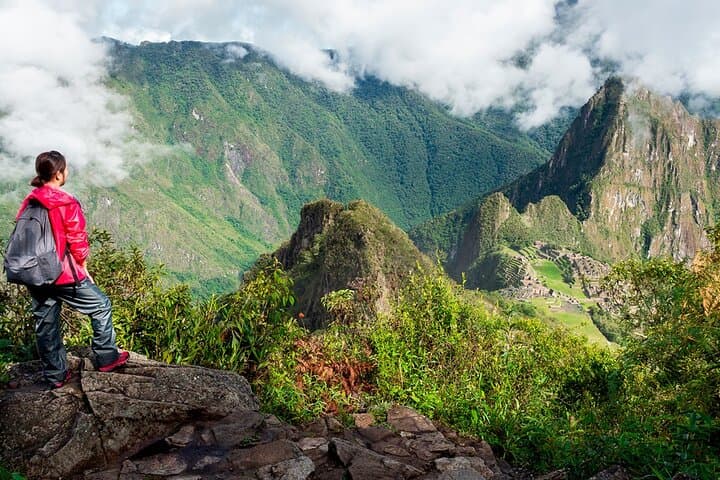
This two-day itinerary compresses the classic approach to Machu Picchu into an intense, focused walk. The route follows original Inca causeways and waystations—Chachabamba’s ritual platforms, the hammock-like forest around Wiñaywayna, and the final rise to Intipunku (Sun Gate), where the citadel appears below. Geologically the trail sits along steep Andean flanks above the Urubamba River, carved from granite and volcanic intrusions, with cloud forest ecosystems rich in orchids and epiphytes.
Culturally, the corridor links Quechua-speaking villages and centuries of Andean agricultural engineering; keep an eye out for terraces and water channels that reveal Inca land management. Guides will interpret ruins and ecology while managing permits and timing—the Inca Trail is heavily regulated, and travel usually includes rail transfers and one night in Aguas Calientes.
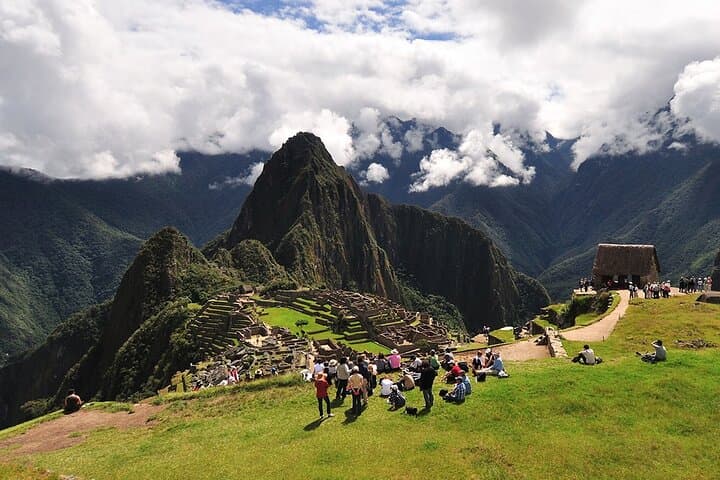
Practical guidance: plan for altitude transitions (2,200–2,745 m) and sustained stair climbs. Good boots, layered clothing, and a daypack with water and snacks make the day manageable. Expect wet microclimates—carry a lightweight rain shell—and schedule enough buffer time at Machu Picchu for the classic watchman’s-house photo and a measured exploration of the main plaza and Intihuatana.
moderate.
2 days.
Good cardiovascular fitness with ability to hike 4–6 hours a day on uneven stone steps and short steep sections
Yes—permits are required for the Inca Trail and are controlled; tour operators arrange permits and entry times before departure.
The route passes Intipunku around 2,745 meters (≈9,000 ft); hikers start lower and should be prepared for elevation changes.
The trail is manageable for beginners with a moderate fitness base, but expect long stair sections and variable weather.
Typically one hotel night in Aguas Calientes plus provided breakfast, lunch, and dinner as listed by the operator; confirm specifics with your booking.
The Inca Trail was a controlled imperial network connecting Cusco to sacred sites like Machu Picchu; many stone segments date to the 15th century.
Trail access is limited by permits to reduce erosion and overcrowding—follow Leave No Trace, avoid single-use plastics, and respect archaeological zones.
Peru Top Experience operates guided outdoor trips and adventures with an emphasis on safety, stewardship, and memorable experiences.
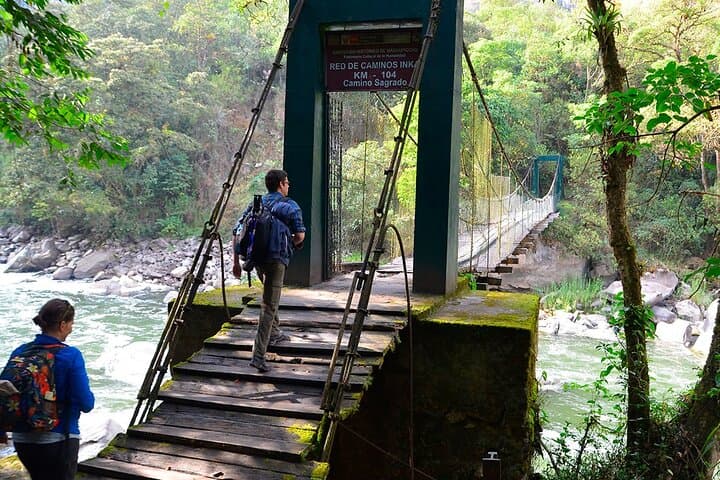
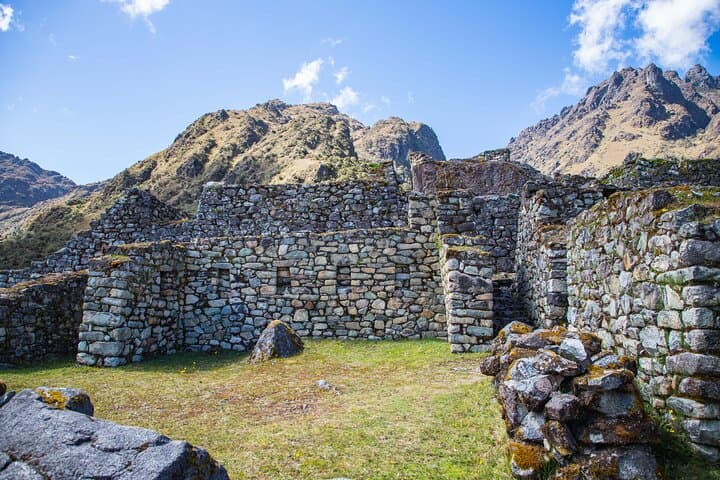
Morning fog peels off the cloud forest as your group steps onto the ancient stone path at Km 104. The trail climbs through moss-draped walls and narrow staircases, each step an old Inca route carved to link highland communities. By midafternoon you reach Wiñaywayna, a compact complex of terraces and stairways that feels like a living hinge between valley and summit.
Morning fog peels off the cloud forest as your group steps onto the ancient stone path at Km 104. The trail climbs through moss-draped walls and narrow staircases, each step an old Inca route carved to link highland communities. By midafternoon you reach Wiñaywayna, a compact complex of terraces and stairways that feels like a living hinge between valley and summit.
This two-day itinerary compresses the classic approach to Machu Picchu into an intense, focused walk. The route follows original Inca causeways and waystations—Chachabamba’s ritual platforms, the hammock-like forest around Wiñaywayna, and the final rise to Intipunku (Sun Gate), where the citadel appears below. Geologically the trail sits along steep Andean flanks above the Urubamba River, carved from granite and volcanic intrusions, with cloud forest ecosystems rich in orchids and epiphytes.
Culturally, the corridor links Quechua-speaking villages and centuries of Andean agricultural engineering; keep an eye out for terraces and water channels that reveal Inca land management. Guides will interpret ruins and ecology while managing permits and timing—the Inca Trail is heavily regulated, and travel usually includes rail transfers and one night in Aguas Calientes.
Practical guidance: plan for altitude transitions (2,200–2,745 m) and sustained stair climbs. Good boots, layered clothing, and a daypack with water and snacks make the day manageable. Expect wet microclimates—carry a lightweight rain shell—and schedule enough buffer time at Machu Picchu for the classic watchman’s-house photo and a measured exploration of the main plaza and Intihuatana.