THE ADVENTURE COLLECTIVE® · Independent discovery and booking for outdoor travel

This 2-day short Inca Trail condenses the classic trek into a single full day of hiking to the Sun Gate and an early-morning visit to Machu Picchu. Ideal for travelers short on time, it balances cloud-forest walking, Inca stonework, and a guided Machu Picchu tour.
This 2-day short Inca Trail condenses the classic trek into a single full day of hiking to the Sun Gate and an early-morning visit to Machu Picchu. Ideal for travelers short on time, it balances cloud-forest walking, Inca stonework, and a guided Machu Picchu tour.
The trail begins with a river-side train ride that drops travelers at the trailhead near the Urubamba, then the path climbs through cloud forest toward the Sun Gate—Inti Punku—where Machu Picchu first reveals itself across a rim of mist. Hikers move from dense greenery into stepped stonework and paved Inca causeways, the air cooling as altitude eases the humid valley below.
Verified experiences and guided adventures in the surrounding area.
Operated by Huaynapicchu · Aguas Calientes, Cusco
The trail begins with a river-side train ride that drops travelers at the trailhead near the Urubamba, then the path climbs through cloud forest toward the Sun Gate—Inti Punku—where Machu Picchu first reveals itself across a rim of mist. Hikers move from dense greenery into stepped stonework and paved Inca causeways, the air cooling as altitude eases the humid valley below.
This condensed route follows original Inca pathways and stone staircases used for centuries to link the Sacred Valley with the Machu citadel. Geologically the trail traverses steep Andean slopes carved by the Urubamba, where granite outcrops alternate with fragile cloud-forest soils; culturally it threads pre-Columbian terraces and small ruins like Wiñay Wayna along the way. Local Quechua communities around Ollantaytambo and Aguas Calientes keep guide traditions and craft markets alive, and expect bilingual interpretation on most guided departures.
Practically, the 2-day itinerary compresses the classic trek: hikers typically cover about 10–12 km on the walking day with cumulative elevation change in the hundreds of meters to reach the Sun Gate, then descend into Aguas Calientes for an overnight. Day two opens early with a guided tour of Machu Picchu—two hours for highlights—then free time to explore or climb permit-limited peaks.
Prepare for rapid weather shifts, narrow stone steps, and high visitor volume at the citadel. Acclimatize in Cusco for at least 24–48 hours beforehand, carry layered rain protection, and budget time for trains and buses between Ollantaytambo, Aguas Calientes and Cusco.
moderate.
2 days.
Moderate fitness: able to hike 10–12 km with several hundred meters of ascent, manage uneven stone steps and sustained uphill sections.
It’s considered moderate: one full day of hiking around 10–12 km with stone steps and steady climbs, plus early morning access to Machu Picchu the second day.
Yes, this itinerary includes Machu Picchu entrance; separate permits are required for Huayna Picchu or Machu Picchu Mountain and must be booked in advance.
The dry season (May–September) offers the most stable weather and clearer views, but mornings can be cold—book early in high season to avoid crowds.
No—this short 2-day option is a light-hiking format; participants carry their daypack while transport and accommodations are arranged by the operator.
The Inca Trail network was a state-managed system connecting administrative centers; Machu Picchu was likely a royal estate built in the 15th century under Pachacuti.
Visitor numbers and fragile stonework are managed through permits and timed entries—stay on marked paths, pack out waste, and respect restricted areas to protect archaeology and habitat.
Huaynapicchu operates guided outdoor trips and adventures with an emphasis on safety, stewardship, and memorable experiences.
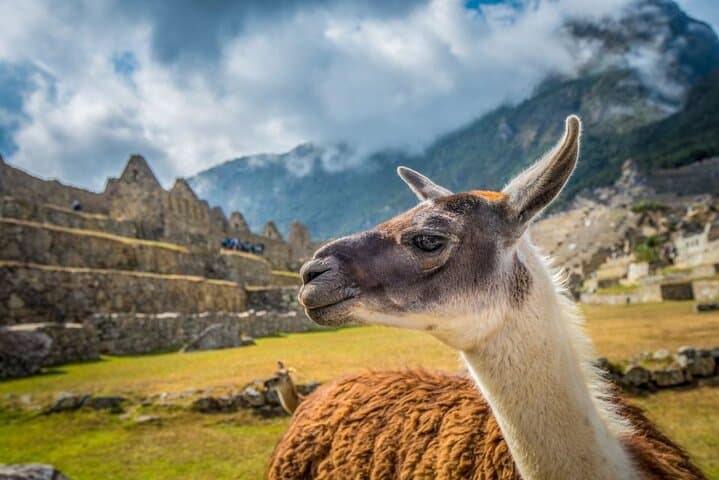
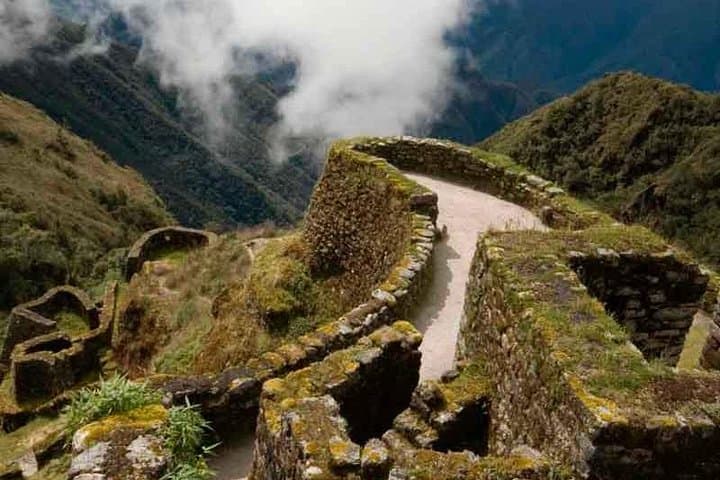
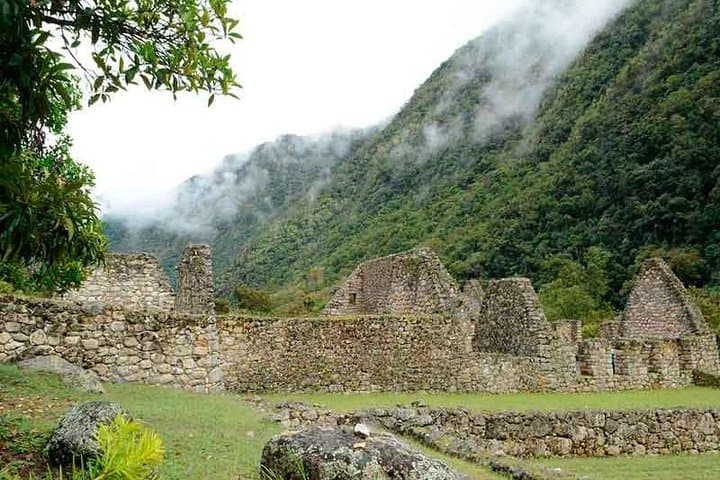
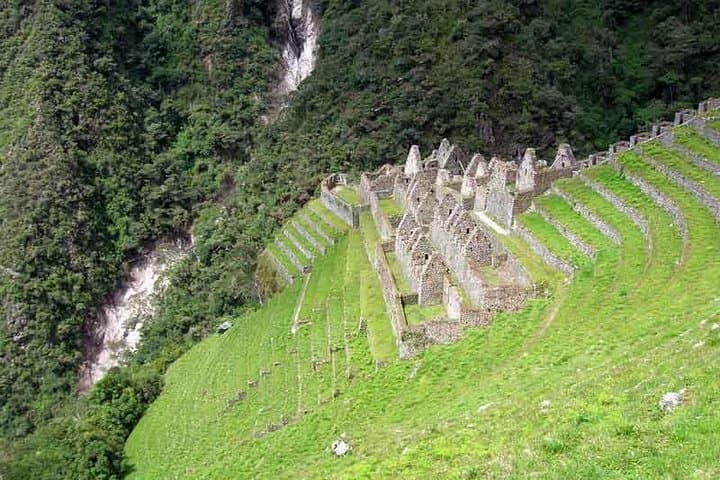
The trail begins with a river-side train ride that drops travelers at the trailhead near the Urubamba, then the path climbs through cloud forest toward the Sun Gate—Inti Punku—where Machu Picchu first reveals itself across a rim of mist. Hikers move from dense greenery into stepped stonework and paved Inca causeways, the air cooling as altitude eases the humid valley below.
The trail begins with a river-side train ride that drops travelers at the trailhead near the Urubamba, then the path climbs through cloud forest toward the Sun Gate—Inti Punku—where Machu Picchu first reveals itself across a rim of mist. Hikers move from dense greenery into stepped stonework and paved Inca causeways, the air cooling as altitude eases the humid valley below.
This condensed route follows original Inca pathways and stone staircases used for centuries to link the Sacred Valley with the Machu citadel. Geologically the trail traverses steep Andean slopes carved by the Urubamba, where granite outcrops alternate with fragile cloud-forest soils; culturally it threads pre-Columbian terraces and small ruins like Wiñay Wayna along the way. Local Quechua communities around Ollantaytambo and Aguas Calientes keep guide traditions and craft markets alive, and expect bilingual interpretation on most guided departures.
Practically, the 2-day itinerary compresses the classic trek: hikers typically cover about 10–12 km on the walking day with cumulative elevation change in the hundreds of meters to reach the Sun Gate, then descend into Aguas Calientes for an overnight. Day two opens early with a guided tour of Machu Picchu—two hours for highlights—then free time to explore or climb permit-limited peaks.
Prepare for rapid weather shifts, narrow stone steps, and high visitor volume at the citadel. Acclimatize in Cusco for at least 24–48 hours beforehand, carry layered rain protection, and budget time for trains and buses between Ollantaytambo, Aguas Calientes and Cusco.