THE ADVENTURE COLLECTIVE® · Independent discovery and booking for outdoor travel

This private 2-day, 1-night short Inca Trail trek from Cusco combines a half-day hike along the historic km 104 route with an overnight in Aguas Calientes and a guided visit to Machu Picchu. Ideal for travelers who want a condensed, authentic Inca route without the full multi-day commitment.
This private 2-day, 1-night short Inca Trail trek from Cusco combines a half-day hike along the historic km 104 route with an overnight in Aguas Calientes and a guided visit to Machu Picchu. Ideal for travelers who want a condensed, authentic Inca route without the full multi-day commitment.
Book with Go Andes Expeditions
Book directly with Go Andes Expeditions for the best rates and real-time scheduling.
Reserve NowVerified experiences and guided adventures in the surrounding area.
Operated by Go Andes Expeditions · Aguas Calientes, Cusco
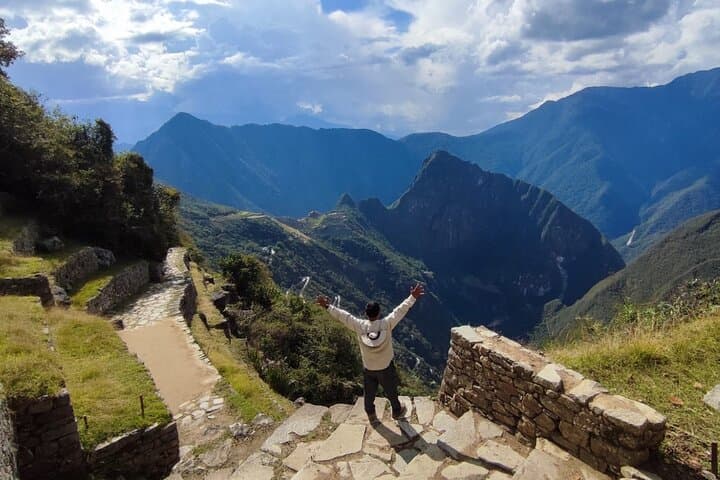
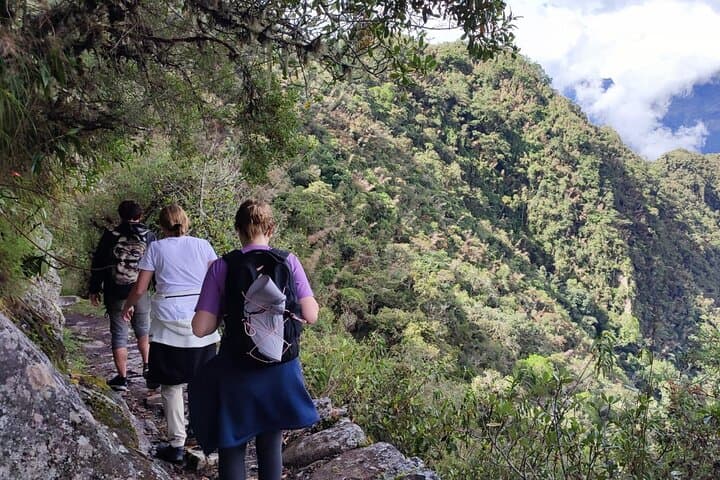
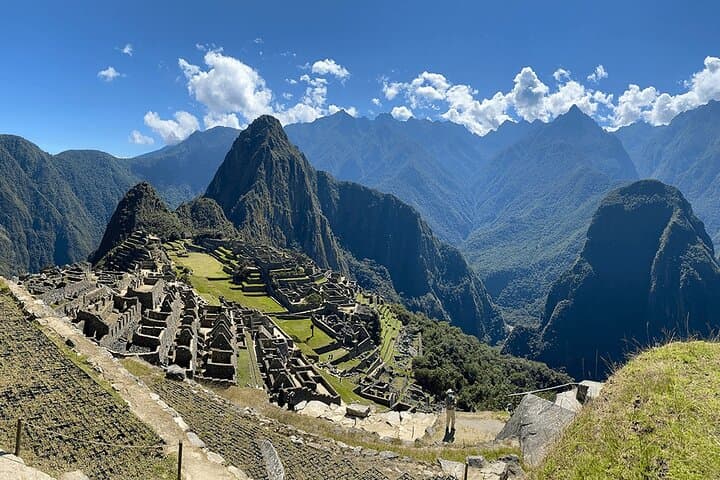
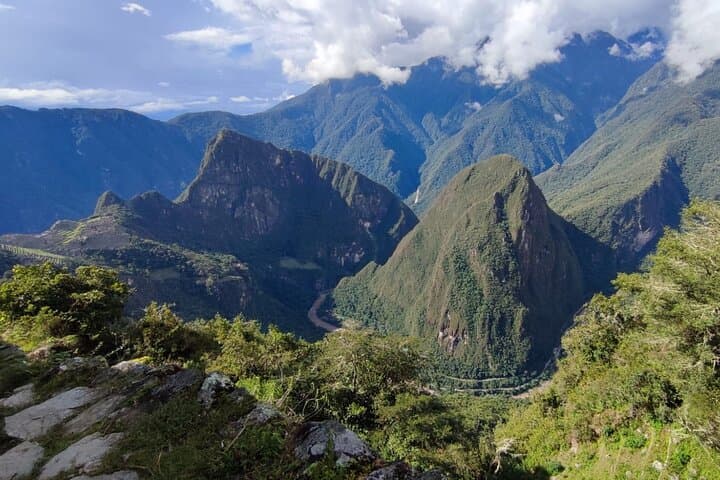
Dawn light sifts through cloud forest as the group steps off the train at km 104 and follows a narrow trail carved by Inca hands centuries ago. The path threads between steep terraces and thickets of bamboo; the air smells of wet earth and stone warmed by morning sun. The first stop, Chachabamba, offers a quiet introduction to the Inca presence—small platforms and trailworks that hint at a bigger story. Geology here is dramatic: folded Andean limestone and volcanic deposits rise abruptly from the Urubamba valley, slicing moist montane forest into pockets where orchids and bromeliads cling to rock. Culturally the route is a living connection between Cusco’s imperial past and the present-day communities of Ollantaytambo and Aguas Calientes, where Quechua and Spanish coexist in markets and meals. Practically, the short Inca Trail condenses classic highlights—Wiñayhuayna’s terraces, the long stairways, and the approach to Intipunku (Sun Gate)—into a single day’s high-elevation hike followed by an overnight in Aguas Calientes and a guided morning at Machu Picchu. Expect 3–5 hours of hiking on day one over uneven stonework with moderate climbs to about 2,700–2,800 m, then a guided 2–3 hour exploration of the citadel on day two. Pack layers for sun and sudden showers, break your hike into steady pacing, and allow time at Intipunku to absorb Machu Picchu’s first reveal. The route rewards clear-eyed preparation with sweeping views, archaeological context, and the compact thrill of arriving at one of the world’s most iconic sites.
moderate.
2 days (approx. 48 hours total).
Moderate cardiovascular fitness; comfortable walking on uneven stone for 3–5 hours in a day and handling short, steep sections.
Yes. The short Inca Trail (km 104 route) requires entrance permits that are typically included by tour operators; confirm permits are secured at booking.
The route reaches roughly 2,700–2,800 m; the hike is moderate but can feel strenuous if you’re not acclimatized—rest, hydrate, and ascend slowly.
This tour includes round-trip train tickets Ollantaytambo–Aguas Calientes and the Aguas Calientes–Machu Picchu shuttle bus, plus transfers between Cusco and Ollantaytambo as specified.
This tour is not recommended for pregnant travelers or people with significant cardiovascular or spinal conditions; check operator age and health restrictions before booking.
The trail follows pre-Columbian routes maintained by the Incas to link the highlands to Machu Picchu, with terraces and waystations like Chachabamba and Wiñayhuayna serving agricultural and ritual purposes.
Visitor numbers are regulated and permits limit daily access; stick to marked trails, pack out waste, and respect archaeological zones to reduce impact.
Go Andes Expeditions operates guided outdoor trips and adventures with an emphasis on safety, stewardship, and memorable experiences.
Book with Go Andes Expeditions
Book directly with Go Andes Expeditions for the best rates and real-time scheduling.
Reserve Now