THE ADVENTURE COLLECTIVE® · Independent discovery and booking for outdoor travel

A compact 4-day trek from Lukla delivers close-up panoramas of Everest and Sherpa valley life. Expect river crossings, tea-house nights in Namche, and a sunrise view from Everest View Hotel without the commitment of a full expedition.
A compact 4-day trek from Lukla delivers close-up panoramas of Everest and Sherpa valley life. Expect river crossings, tea-house nights in Namche, and a sunrise view from Everest View Hotel without the commitment of a full expedition.
Dawn breaks over the Dudh Koshi and the trail hums with the scrape of boots and prayer flags rattling like quiet applause. You climb out of Lukla, the valley unfolding into rhododendron-sprinkled slopes and the first hard-edged silhouettes of Thamserku and Kusum Khangkaru. The air thins; the peaks—Everest (8,848 m), Lhotse, Nuptse, Ama Dablam—hold their distance like patient hosts.
Verified experiences and guided adventures in the surrounding area.
Operated by CAN Travels · Namche Bazaar, Province No. 1
Dawn breaks over the Dudh Koshi and the trail hums with the scrape of boots and prayer flags rattling like quiet applause. You climb out of Lukla, the valley unfolding into rhododendron-sprinkled slopes and the first hard-edged silhouettes of Thamserku and Kusum Khangkaru. The air thins; the peaks—Everest (8,848 m), Lhotse, Nuptse, Ama Dablam—hold their distance like patient hosts.
This compact itinerary threads natural history and Sherpa culture. You pass Monjo, the gateway to Sagarmatha National Park (a UNESCO site), cross suspension bridges over the Dudh Koshi, and arrive in Namche Bazaar—long a trade hub where Tibetan and Himalayan customs meet. Khumjung Gompa and the Khunde Hillary Hospital speak to local resilience; the Everest View Hotel, perched near 3,962 m, offers one of the closest panoramic stages for Everest without committing to high-altitude expedition logistics.
Geologically, the Khumbu is young crust pushed skyward by the India–Eurasia collision; jagged moraines and steep valleys tell that tectonic story in stone and scree. Culturally, prayer wheels, mani walls and loose-flanked tea houses reveal a living relationship between people and mountain.
Practical notes: plan for steady acclimatization (Phakding 2,610 m → Namche 3,440 m), bring layered insulation, and pack water purification. Trails are a mix of packed earth, stone stairways and suspension-bridge exposure; expect 4 days of moderate hiking with intermittent steep sections. Permits for Sagarmatha National Park are required and guides simplify logistics, weather windows and Lukla flight timing. Move deliberately, respect local customs, and carry a headlamp and basic first-aid—this short trek gives big views without high-altitude technical commitment.
moderate.
4 days.
Moderately fit — regular cardio and stair-climbing fitness; ability to hike 4–6 hours a day with elevation gain.
Yes—entry to Sagarmatha National Park and local trek permits are required; the operator typically arranges these.
Expect 3–6 hours a day with steady elevation change; trails include steep stair sections but no technical climbing.
Physically fit beginners with prior day-hike experience can do it if they follow acclimatization guidance and travel with a guide.
Overnight stays are in guest houses/tea houses with basic facilities; toilets vary from squat to western and may charge a small fee.
The Khumbu region grew as a trade corridor between Nepal and Tibet; Namche Bazaar evolved into a trading and mountaineering hub after early Everest expeditions.
Sagarmatha National Park is protected to conserve fragile alpine ecosystems; visitors should follow waste management rules and avoid single-use plastics.
CAN Travels operates guided outdoor trips and adventures with an emphasis on safety, stewardship, and memorable experiences.
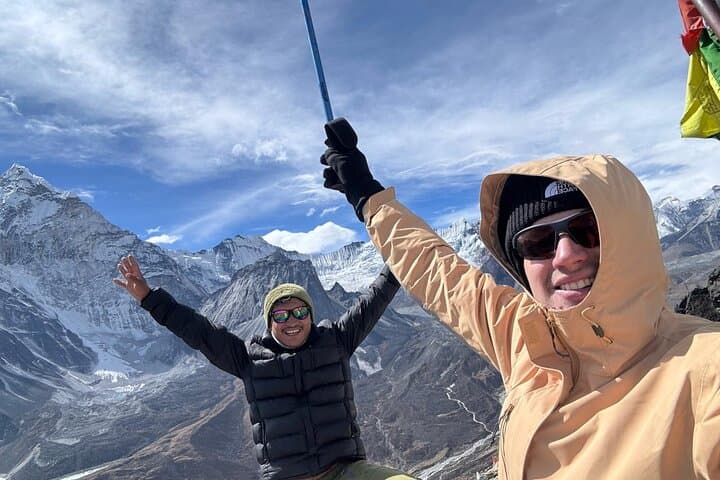
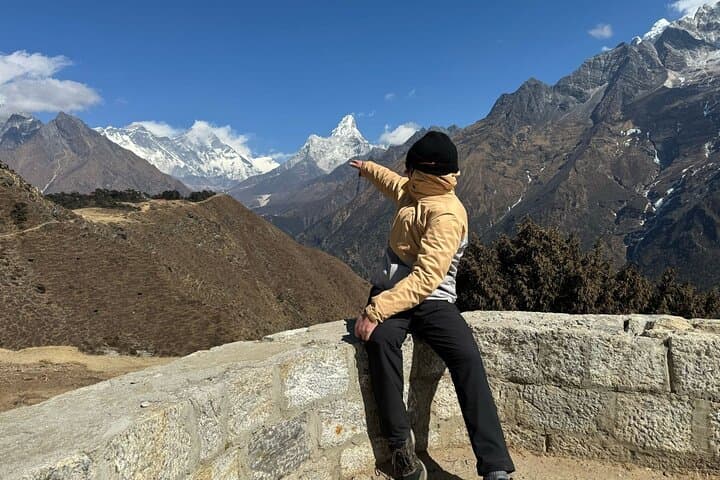
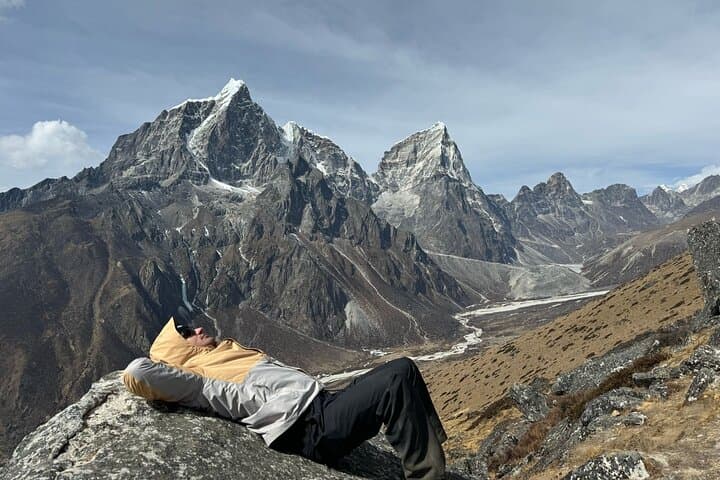
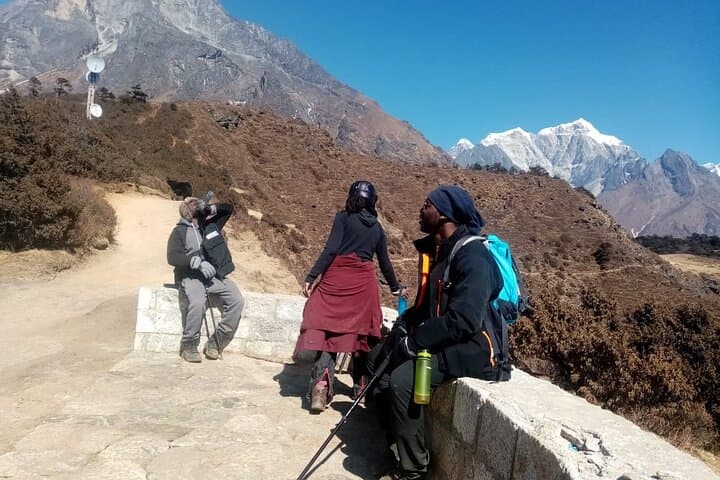
Dawn breaks over the Dudh Koshi and the trail hums with the scrape of boots and prayer flags rattling like quiet applause. You climb out of Lukla, the valley unfolding into rhododendron-sprinkled slopes and the first hard-edged silhouettes of Thamserku and Kusum Khangkaru. The air thins; the peaks—Everest (8,848 m), Lhotse, Nuptse, Ama Dablam—hold their distance like patient hosts.
Dawn breaks over the Dudh Koshi and the trail hums with the scrape of boots and prayer flags rattling like quiet applause. You climb out of Lukla, the valley unfolding into rhododendron-sprinkled slopes and the first hard-edged silhouettes of Thamserku and Kusum Khangkaru. The air thins; the peaks—Everest (8,848 m), Lhotse, Nuptse, Ama Dablam—hold their distance like patient hosts.
This compact itinerary threads natural history and Sherpa culture. You pass Monjo, the gateway to Sagarmatha National Park (a UNESCO site), cross suspension bridges over the Dudh Koshi, and arrive in Namche Bazaar—long a trade hub where Tibetan and Himalayan customs meet. Khumjung Gompa and the Khunde Hillary Hospital speak to local resilience; the Everest View Hotel, perched near 3,962 m, offers one of the closest panoramic stages for Everest without committing to high-altitude expedition logistics.
Geologically, the Khumbu is young crust pushed skyward by the India–Eurasia collision; jagged moraines and steep valleys tell that tectonic story in stone and scree. Culturally, prayer wheels, mani walls and loose-flanked tea houses reveal a living relationship between people and mountain.
Practical notes: plan for steady acclimatization (Phakding 2,610 m → Namche 3,440 m), bring layered insulation, and pack water purification. Trails are a mix of packed earth, stone stairways and suspension-bridge exposure; expect 4 days of moderate hiking with intermittent steep sections. Permits for Sagarmatha National Park are required and guides simplify logistics, weather windows and Lukla flight timing. Move deliberately, respect local customs, and carry a headlamp and basic first-aid—this short trek gives big views without high-altitude technical commitment.