THE ADVENTURE COLLECTIVE® · Independent discovery and booking for outdoor travel

Make a bucket-list approach to Everest Base Camp in ten days: fly into Lukla, walk through Sherpa villages and glacial moraines, stand at EBC and watch the sunrise from Kala Patthar. This compact itinerary compresses classic Khumbu highlights with essential acclimatization and teahouse comforts.
Make a bucket-list approach to Everest Base Camp in ten days: fly into Lukla, walk through Sherpa villages and glacial moraines, stand at EBC and watch the sunrise from Kala Patthar. This compact itinerary compresses classic Khumbu highlights with essential acclimatization and teahouse comforts.
The trail opens with a low, bright churn of wheels and engines as your dawn flight drops you onto Lukla’s tiny airstrip (2,860 m). From there the trail quickly forgets the noise of Kathmandu: stone stairs, ribbed suspension bridges, rhododendron groves that dare you to look up, and the first clean slices of snowline on distant ridges.
Verified experiences and guided adventures in the surrounding area.
Operated by Breeze Adventure Pvt Ltd · Lukla, Province No. 1
The trail opens with a low, bright churn of wheels and engines as your dawn flight drops you onto Lukla’s tiny airstrip (2,860 m). From there the trail quickly forgets the noise of Kathmandu: stone stairs, ribbed suspension bridges, rhododendron groves that dare you to look up, and the first clean slices of snowline on distant ridges.
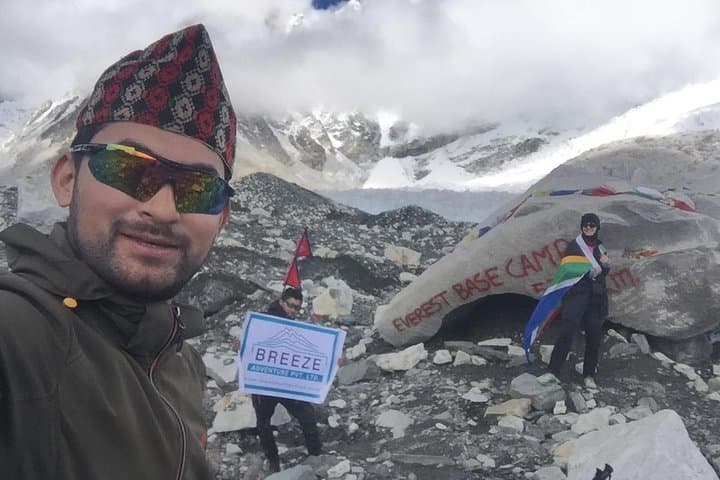
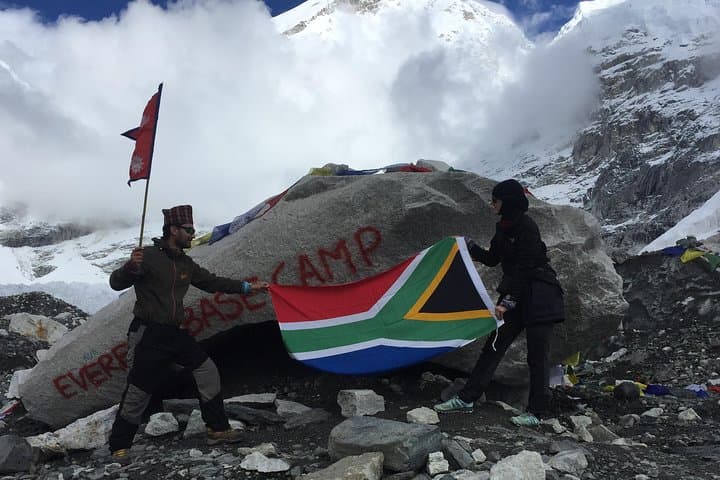
This short itinerary funnels ten days into a classic Khumbu circuit: Lukla to Phakding, uphill to Namche Bazaar, onward through Tengboche, Dingboche and Lobuche to Gorakshep and Everest Base Camp (5,364 m), with an early-morning climb to Kala Patthar (5,643 m) for the sunrise view. The route traverses terminal moraines of the Khumbu Glacier, winds along the Dudh Kosi, and threads through Sagarmatha National Park—established in 1976 and a UNESCO World Heritage Site—where Sherpa villages and Buddhist monasteries articulate local culture.
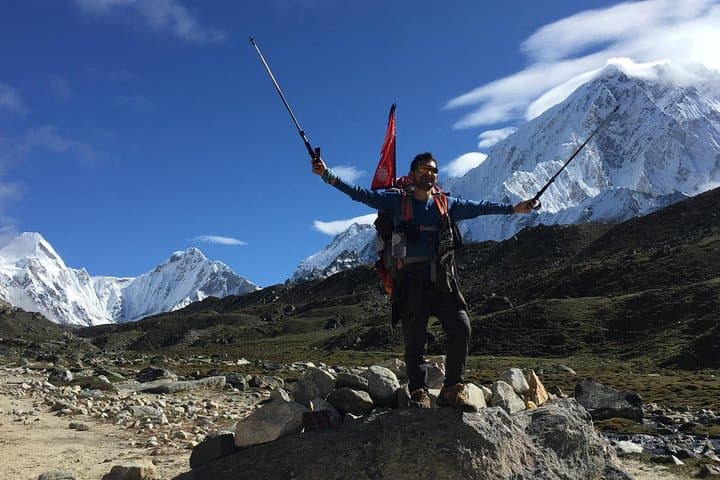
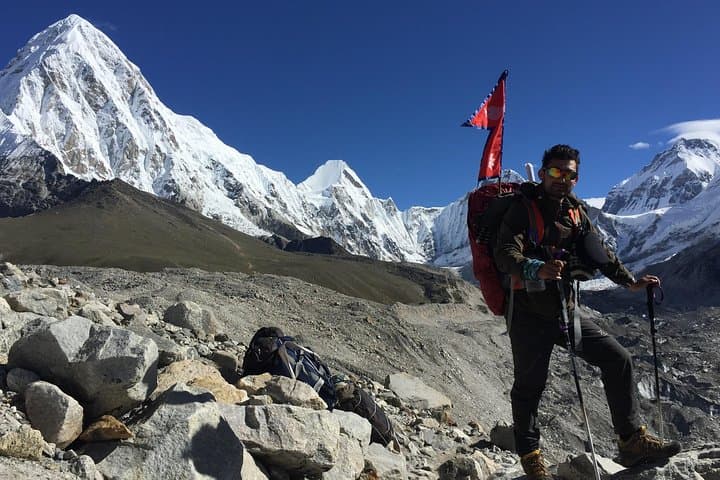
Geology here is raw: uplifted granite, glacial till, and jagged seracs framing peaks like Lhotse, Nuptse and Ama Dablam. Expect mixed terrain—stone paved paths, icy scree near Gorakshep, and well-worn yak pastures—so plan for slow, steady progress and scheduled acclimatization days.
Practical guidance: carry layered clothing, hard-soled boots, a warm sleeping bag liner (sleeping bags usually provided), and a reliable water treatment system. Fly into Lukla when weather permits; flights are scenic but often delayed. Hydration, strict pace, and attention to altitude symptoms are your best defenses. Expect 4–8 hours of walking on long days, communal teahouse lodging, and simple meals—this is high-altitude trekking, not a holiday spa, but the summit-front vistas repay the effort.
challenging.
10 days.
Good cardiovascular stamina and experience with multi-day hikes are required; you should be comfortable walking 4–8 hours on uneven ground and managing long days at altitude.
Yes—Sagarmatha National Park entry permit and TIMS card are required; guides typically handle permit collection at checkpoints en route.
Daily walking ranges from 2–8 hours depending on the stage; expect steady ascents at higher altitudes and mixed terrain rather than technical climbing.
No—Lukla flights are highly weather-dependent and can be delayed or cancelled; plan buffer days and opt for morning flights when visibility is best.
Altitude sickness is a real risk above 3,000 m; management includes gradual ascent, hydration, rest days, descent if symptoms worsen, and carrying medication like acetazolamide only under medical advice.
The Khumbu has been home to Sherpa communities for centuries; Sagarmatha National Park was established in 1976 and protects both cultural heritage and alpine ecosystems.
The high-altitude ecosystem is fragile—minimize waste, use refillable water systems, and follow local rules for human waste disposal to reduce impact.
Breeze Adventure Pvt Ltd operates guided outdoor trips and adventures with an emphasis on safety, stewardship, and memorable experiences.
The trail opens with a low, bright churn of wheels and engines as your dawn flight drops you onto Lukla’s tiny airstrip (2,860 m). From there the trail quickly forgets the noise of Kathmandu: stone stairs, ribbed suspension bridges, rhododendron groves that dare you to look up, and the first clean slices of snowline on distant ridges.
The trail opens with a low, bright churn of wheels and engines as your dawn flight drops you onto Lukla’s tiny airstrip (2,860 m). From there the trail quickly forgets the noise of Kathmandu: stone stairs, ribbed suspension bridges, rhododendron groves that dare you to look up, and the first clean slices of snowline on distant ridges.
This short itinerary funnels ten days into a classic Khumbu circuit: Lukla to Phakding, uphill to Namche Bazaar, onward through Tengboche, Dingboche and Lobuche to Gorakshep and Everest Base Camp (5,364 m), with an early-morning climb to Kala Patthar (5,643 m) for the sunrise view. The route traverses terminal moraines of the Khumbu Glacier, winds along the Dudh Kosi, and threads through Sagarmatha National Park—established in 1976 and a UNESCO World Heritage Site—where Sherpa villages and Buddhist monasteries articulate local culture.
Geology here is raw: uplifted granite, glacial till, and jagged seracs framing peaks like Lhotse, Nuptse and Ama Dablam. Expect mixed terrain—stone paved paths, icy scree near Gorakshep, and well-worn yak pastures—so plan for slow, steady progress and scheduled acclimatization days.
Practical guidance: carry layered clothing, hard-soled boots, a warm sleeping bag liner (sleeping bags usually provided), and a reliable water treatment system. Fly into Lukla when weather permits; flights are scenic but often delayed. Hydration, strict pace, and attention to altitude symptoms are your best defenses. Expect 4–8 hours of walking on long days, communal teahouse lodging, and simple meals—this is high-altitude trekking, not a holiday spa, but the summit-front vistas repay the effort.