THE ADVENTURE COLLECTIVE® · Independent discovery and booking for outdoor travel

A compact version of the classic Inca Trail, this 2-day itinerary combines the Km 104 trail, Wiñay Wayna terraces, and the Sun Gate approach to Machu Picchu. It’s a concentrated, accessible trek that still delivers ancient stonework, cloud-forest views, and the sunrise revelation at the citadel.
A compact version of the classic Inca Trail, this 2-day itinerary combines the Km 104 trail, Wiñay Wayna terraces, and the Sun Gate approach to Machu Picchu. It’s a concentrated, accessible trek that still delivers ancient stonework, cloud-forest views, and the sunrise revelation at the citadel.
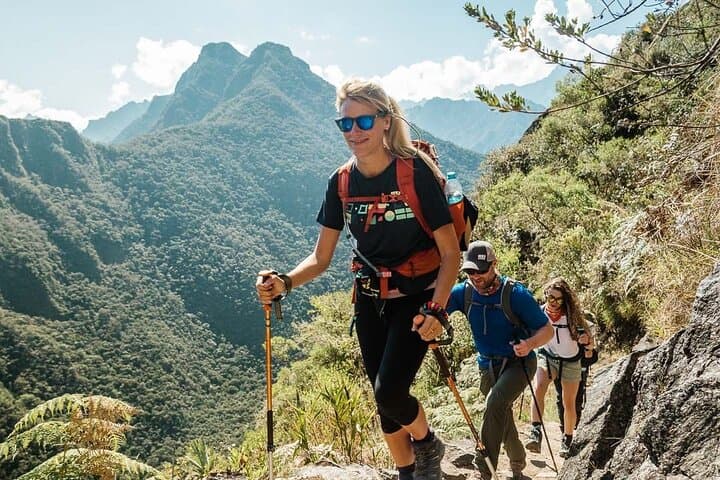
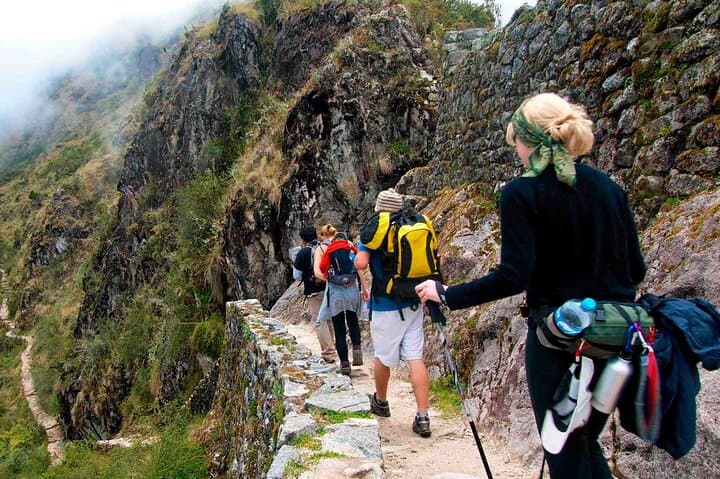
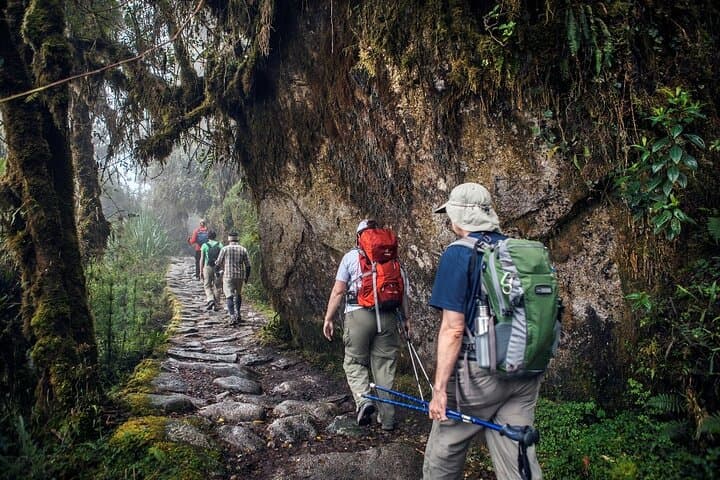
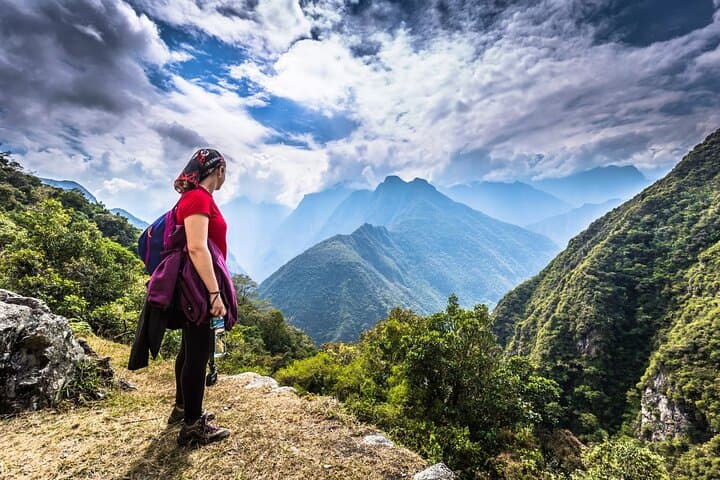
Dawn on the Inca Trail feels immediate: mist lifts off the Urubamba, stone steps appear like teeth in the hillside, and the trail pulls you forward toward the first view of Machu Picchu. On this short 2-day route you’ll move from the Sacred Valley’s cultivated terraces into cloud forest, passing narrow switchbacks and ancient stonework that still channels mountain rains.
Verified experiences and guided adventures in the surrounding area.
Operated by Cosmo Expeditions · Aguas Calientes, Cusco
Dawn on the Inca Trail feels immediate: mist lifts off the Urubamba, stone steps appear like teeth in the hillside, and the trail pulls you forward toward the first view of Machu Picchu. On this short 2-day route you’ll move from the Sacred Valley’s cultivated terraces into cloud forest, passing narrow switchbacks and ancient stonework that still channels mountain rains.
The route uses the classic Km 104 entrance, covering roughly 10 km of trail with a net elevation change of several hundred meters — peaks at Intipunku (the Sun Gate) around 2,745 m and visits Wiñay Wayna at about 2,650 m. Geologically the trail sits on steep Andean slopes carved by glacial retreat and river incision; the paths are often stone-set and can be steep, with stair sections built by Inca masons centuries ago. Culturally, the climb traces Inca pilgrimage routes where astronomy and mountain worship guided settlement patterns — your guide will point out terraces, shrines, and living Quechua traditions in nearby villages.
Expect cloud forest wildlife like hummingbirds and a chorus of frogs, and weather that can shift from bright sun to heavy mist in minutes. Practical essentials: allow 2–3 days in Cusco beforehand to acclimatize, carry 2 liters of water, wear ankle-supporting boots, and pack a lightweight rain layer. Permits and entrance tickets to Machu Picchu are restricted and included on organized itineraries, so book early. Start early on day two to catch morning light at the citadel; the trail rewards steady pacing and respect for altitude with one of South America’s most immediate archaeological encounters.
moderate.
2 days (approx 48 hours).
Moderate fitness; able to hike 10 km over uneven stone steps with sustained climbs and short steep sections.
Yes. Entry to the Inca Trail and Machu Picchu is limited; the short Km 104 route requires permits and Machu Picchu tickets, usually handled by tour operators.
It is moderate: the distance is short but involves stone steps, some steep sections, and altitude; prepare with cardio and time in Cusco to acclimatize.
Most include transport from Cusco area, train to/from Km 104 or Aguas Calientes, guided trek, park entrance, some meals, and one night lodging in Aguas Calientes.
Yes, but these require separate permits that must be booked well in advance and may not be included by default in short-trail packages.
The Inca Trail is part of a larger network of pre-Hispanic roads used for pilgrimage, administration, and communication across the Andean highlands.
Machu Picchu and the Inca Trail are managed with strict permit limits to protect fragile archaeological and ecological zones; practice pack-in/pack-out and follow your guide’s route instructions.
Cosmo Expeditions operates guided outdoor trips and adventures with an emphasis on safety, stewardship, and memorable experiences.
Dawn on the Inca Trail feels immediate: mist lifts off the Urubamba, stone steps appear like teeth in the hillside, and the trail pulls you forward toward the first view of Machu Picchu. On this short 2-day route you’ll move from the Sacred Valley’s cultivated terraces into cloud forest, passing narrow switchbacks and ancient stonework that still channels mountain rains.
Dawn on the Inca Trail feels immediate: mist lifts off the Urubamba, stone steps appear like teeth in the hillside, and the trail pulls you forward toward the first view of Machu Picchu. On this short 2-day route you’ll move from the Sacred Valley’s cultivated terraces into cloud forest, passing narrow switchbacks and ancient stonework that still channels mountain rains.
The route uses the classic Km 104 entrance, covering roughly 10 km of trail with a net elevation change of several hundred meters — peaks at Intipunku (the Sun Gate) around 2,745 m and visits Wiñay Wayna at about 2,650 m. Geologically the trail sits on steep Andean slopes carved by glacial retreat and river incision; the paths are often stone-set and can be steep, with stair sections built by Inca masons centuries ago. Culturally, the climb traces Inca pilgrimage routes where astronomy and mountain worship guided settlement patterns — your guide will point out terraces, shrines, and living Quechua traditions in nearby villages.
Expect cloud forest wildlife like hummingbirds and a chorus of frogs, and weather that can shift from bright sun to heavy mist in minutes. Practical essentials: allow 2–3 days in Cusco beforehand to acclimatize, carry 2 liters of water, wear ankle-supporting boots, and pack a lightweight rain layer. Permits and entrance tickets to Machu Picchu are restricted and included on organized itineraries, so book early. Start early on day two to catch morning light at the citadel; the trail rewards steady pacing and respect for altitude with one of South America’s most immediate archaeological encounters.