THE ADVENTURE COLLECTIVE® · Independent discovery and booking for outdoor travel

Explore Shoreditch with a private local guide who decodes the neighborhood’s constantly changing murals, stencils and paste‑ups. This two‑hour walking tour pairs insider history with practical tips for photographing and navigating East London’s best street art.
Explore Shoreditch with a private local guide who decodes the neighborhood’s constantly changing murals, stencils and paste‑ups. This two‑hour walking tour pairs insider history with practical tips for photographing and navigating East London’s best street art.
You step off the high street into a tight east‑London lane and the walls begin to speak—layered stencils, paste‑ups and massive painted panels crowding brick and metal shutters. A local guide moves through the crowd, pointing out tags that mark years of conversation: political pieces, commercial commissions and quick-fire hand styles stacked on top of one another.
Verified experiences and guided adventures in the surrounding area.
Operated by London With A Local · Shoreditch, Greater London
You step off the high street into a tight east‑London lane and the walls begin to speak—layered stencils, paste‑ups and massive painted panels crowding brick and metal shutters. A local guide moves through the crowd, pointing out tags that mark years of conversation: political pieces, commercial commissions and quick-fire hand styles stacked on top of one another.
Shoreditch’s graffiti culture grew from post‑industrial warehouses and rail arches in the late 20th century. Former factories and Victorian brickwork provide the canvas; Brick Lane and the Old Truman Brewery anchor the neighborhood’s evolution from market district to creative quarter. The area’s visual vocabulary reflects migration, club culture and changing real‑estate pressures as much as artistic technique.
Walking here is urban geology—layers of paint and patched walls over London stock brick—where the architecture is as much a subject as the art. Guides add context: who the recurrent artists are, how street practice adapts to private commissions, and where to spot pieces unlikely to last a week.
Practical details are simple: the private 2‑hour route covers roughly 1.5–3 km on mostly flat pavement with short stops for photos and explanations. Wear comfortable shoes, keep a weatherproof layer, and plan for mornings or late afternoons to avoid peak crowds. Photography is welcomed, but ask before photographing people and respect works in progress. Public transport access is excellent—Aldgate East, Shoreditch High Street and Liverpool Street links are all within easy walking distance.
Expect a brisk, sensory walk that balances insider history with pragmatic tips for exploring a living outdoor gallery.
easy.
2 hours.
Suitable for a wide range of fitness levels; mostly standing and short walks between stops.
Yes—this private tour notes wheelchair accessibility and is planned on mostly paved routes; notify the operator of requirements when booking.
Private bookings typically accommodate small groups—confirm maximum capacity with the operator when reserving to ensure availability.
Guides are local experts and will tailor commentary to your interests when possible; request preferences when you book.
Full refunds are available if you cancel at least 24 hours before the scheduled departure time per the operator’s standard policy.
Shoreditch evolved from 17th‑century suburban hamlet to industrial hub; late 20th‑century deindustrialization opened walls and rail arches to artists and markets.
Street art is ephemeral; support local galleries and commissioned mural projects that fund legal walls and maintenance to reduce illegal tagging and preserve notable works.
London With A Local operates guided outdoor trips and adventures with an emphasis on safety, stewardship, and memorable experiences.
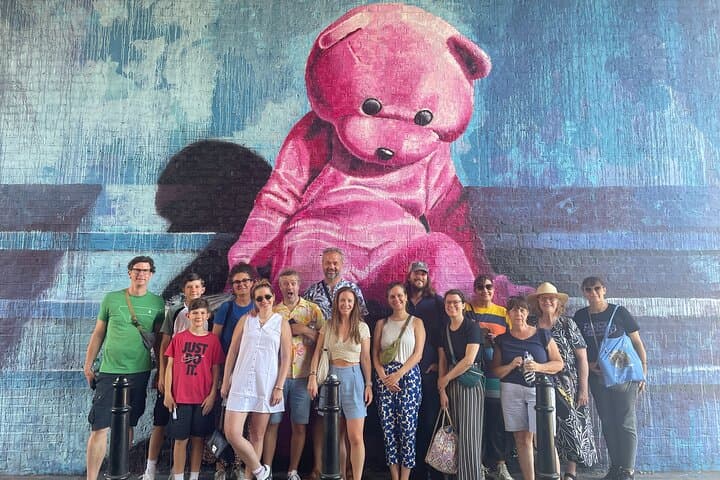
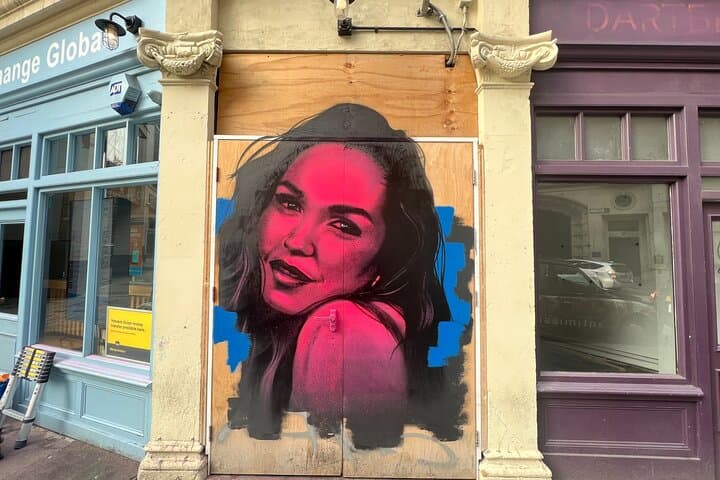
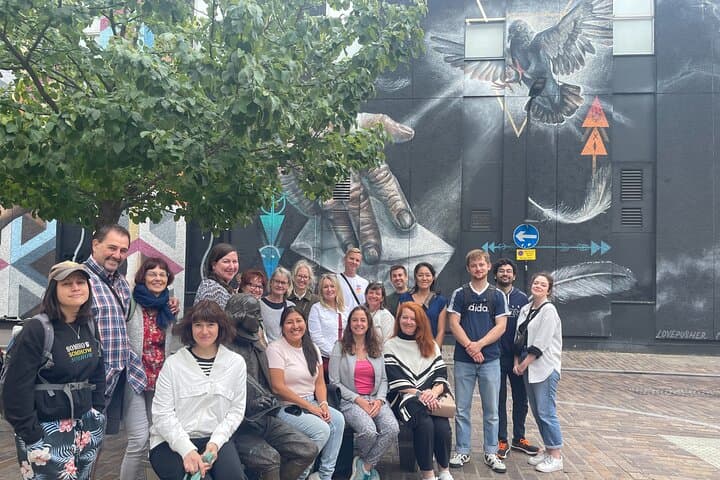
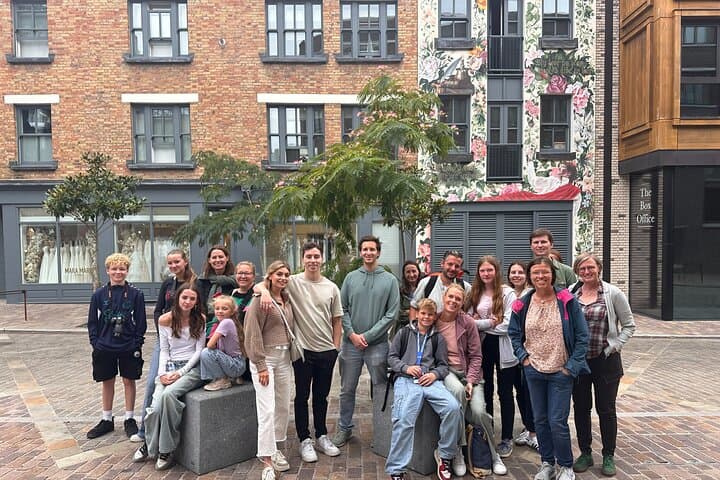
You step off the high street into a tight east‑London lane and the walls begin to speak—layered stencils, paste‑ups and massive painted panels crowding brick and metal shutters. A local guide moves through the crowd, pointing out tags that mark years of conversation: political pieces, commercial commissions and quick-fire hand styles stacked on top of one another.
You step off the high street into a tight east‑London lane and the walls begin to speak—layered stencils, paste‑ups and massive painted panels crowding brick and metal shutters. A local guide moves through the crowd, pointing out tags that mark years of conversation: political pieces, commercial commissions and quick-fire hand styles stacked on top of one another.
Shoreditch’s graffiti culture grew from post‑industrial warehouses and rail arches in the late 20th century. Former factories and Victorian brickwork provide the canvas; Brick Lane and the Old Truman Brewery anchor the neighborhood’s evolution from market district to creative quarter. The area’s visual vocabulary reflects migration, club culture and changing real‑estate pressures as much as artistic technique.
Walking here is urban geology—layers of paint and patched walls over London stock brick—where the architecture is as much a subject as the art. Guides add context: who the recurrent artists are, how street practice adapts to private commissions, and where to spot pieces unlikely to last a week.
Practical details are simple: the private 2‑hour route covers roughly 1.5–3 km on mostly flat pavement with short stops for photos and explanations. Wear comfortable shoes, keep a weatherproof layer, and plan for mornings or late afternoons to avoid peak crowds. Photography is welcomed, but ask before photographing people and respect works in progress. Public transport access is excellent—Aldgate East, Shoreditch High Street and Liverpool Street links are all within easy walking distance.
Expect a brisk, sensory walk that balances insider history with pragmatic tips for exploring a living outdoor gallery.