THE ADVENTURE COLLECTIVE® · Independent discovery and booking for outdoor travel

Explore Shoreditch and Brick Lane with a private guide who uncovers large murals and hidden stencils while tracing the East End’s immigrant and industrial history. This 2–2.5 hour walking tour pairs local insight with the best times and practical tips for photographing urban art.
Explore Shoreditch and Brick Lane with a private guide who uncovers large murals and hidden stencils while tracing the East End’s immigrant and industrial history. This 2–2.5 hour walking tour pairs local insight with the best times and practical tips for photographing urban art.
Autumn light pours down a narrow Shoreditch lane, painting brick and spray-painted metal in hard, electric color. You step off the busier thoroughfares and into an alley where a mural unfurls across a warehouse wall; the paint feels fresh and deliberate, and the guide leans in to point out a hidden stencil that most passersby miss.
Verified experiences and guided adventures in the surrounding area.
Operated by The Great Weekender · London, England
Autumn light pours down a narrow Shoreditch lane, painting brick and spray-painted metal in hard, electric color. You step off the busier thoroughfares and into an alley where a mural unfurls across a warehouse wall; the paint feels fresh and deliberate, and the guide leans in to point out a hidden stencil that most passersby miss.
The East End has always been a place of reinvention — from 19th-century factories and immigrant sweatshops to postwar markets and, more recently, a world-class street-art scene. Brick Lane and Shoreditch are written in brick and mortar: Victorian warehouses, exposed chimneys and cobbled backstreets that gave artists large, public canvases and a gritty backdrop for experimentation.
Culturally, the area is a palimpsest of Bengali markets, Jewish delis, and creative startups; each wave of residents has left marks that artists now riff off. While there’s no geology to admire per se, the built environment — layers of clay bricks and reclaimed industrial facades — charts the neighborhood’s evolution.
Practical guide: expect 2–2.5 hours of urban walking, mostly flat but with occasional cobbles and uneven pavement. Wear supportive shoes, bring a compact umbrella for sudden showers, and carry a charged phone for photo light. The tour's strength is insider knowledge — guides know which pieces are ephemeral and which are long-standing, and they’ll explain artist intent, techniques, and the neighborhood’s social history.
Timing: late afternoon light is best for photos; weekdays are quieter. Respect private property and avoid touching works — street art lives on permission and conversation.
moderate.
2–2.5 hours.
Should be comfortable walking and standing for up to three hours on city streets with occasional uphill or cobbled stretches.
This private walking tour typically runs 2 to 2.5 hours, covering Shoreditch and Brick Lane at a relaxed pace.
Many areas are wheelchair accessible, but some alleys and cobblestone sections may be uneven—check with the operator about specific accessibility needs.
Banksy pieces have appeared historically in the East End; the guide will point out known locations and discuss the artist’s local influence, but specific works can be removed or altered over time.
Yes—photography is allowed for personal use; avoid touching or altering artworks and respect any private property restrictions.
Shoreditch and Brick Lane shifted from 19th-century manufacturing and immigrant enclaves to a post-industrial creative hub; many buildings retain industrial brickwork and warehouse layouts.
Street art is ephemeral; supporting local galleries, buying prints from artists, and following ‘no-touch’ etiquette help sustain the scene and reduce pressure on private property owners.
The Great Weekender operates guided outdoor trips and adventures with an emphasis on safety, stewardship, and memorable experiences.
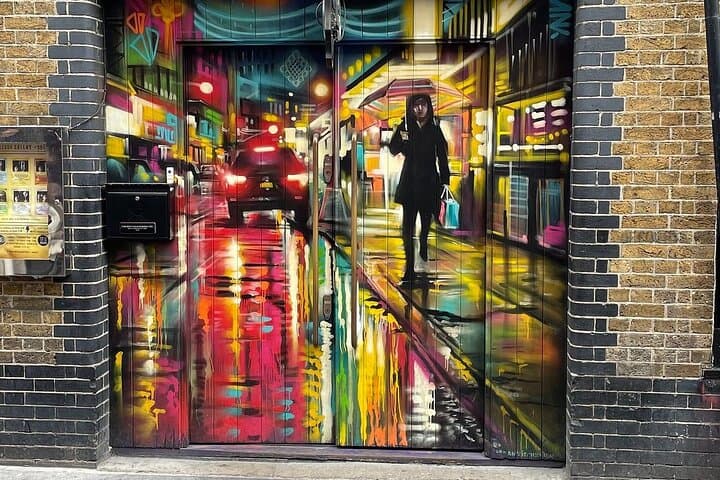
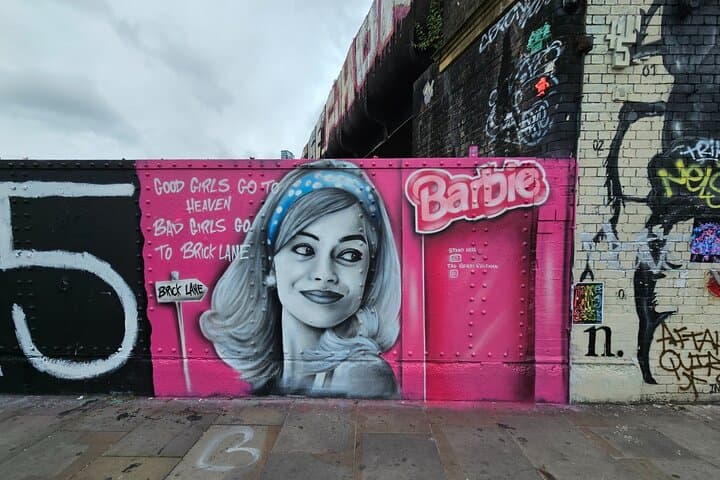
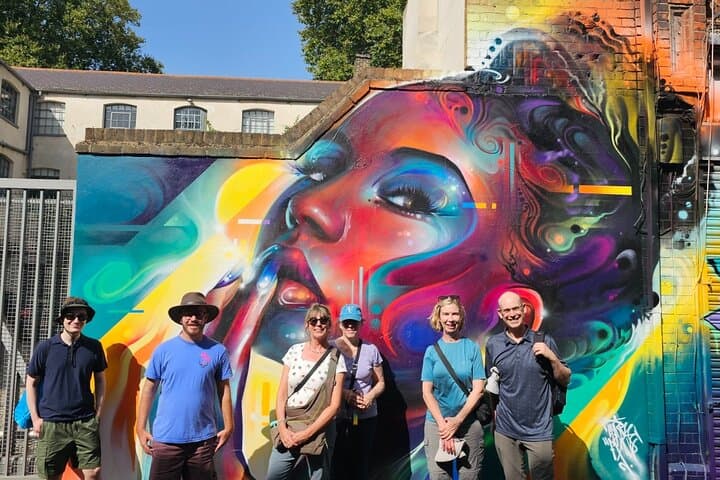
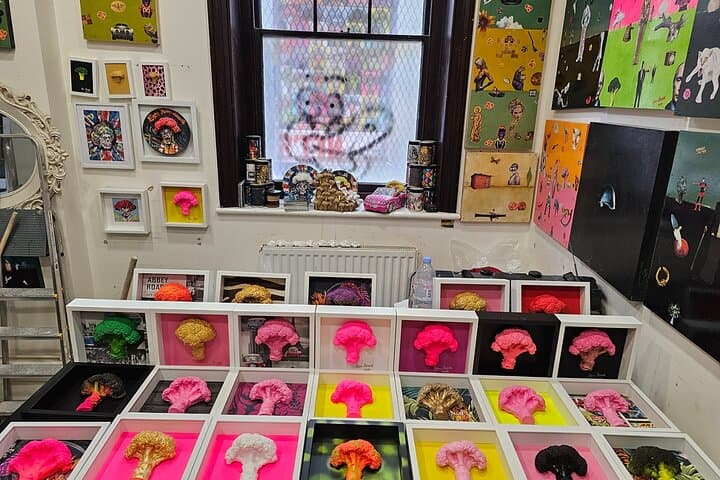
Autumn light pours down a narrow Shoreditch lane, painting brick and spray-painted metal in hard, electric color. You step off the busier thoroughfares and into an alley where a mural unfurls across a warehouse wall; the paint feels fresh and deliberate, and the guide leans in to point out a hidden stencil that most passersby miss.
Autumn light pours down a narrow Shoreditch lane, painting brick and spray-painted metal in hard, electric color. You step off the busier thoroughfares and into an alley where a mural unfurls across a warehouse wall; the paint feels fresh and deliberate, and the guide leans in to point out a hidden stencil that most passersby miss.
The East End has always been a place of reinvention — from 19th-century factories and immigrant sweatshops to postwar markets and, more recently, a world-class street-art scene. Brick Lane and Shoreditch are written in brick and mortar: Victorian warehouses, exposed chimneys and cobbled backstreets that gave artists large, public canvases and a gritty backdrop for experimentation.
Culturally, the area is a palimpsest of Bengali markets, Jewish delis, and creative startups; each wave of residents has left marks that artists now riff off. While there’s no geology to admire per se, the built environment — layers of clay bricks and reclaimed industrial facades — charts the neighborhood’s evolution.
Practical guide: expect 2–2.5 hours of urban walking, mostly flat but with occasional cobbles and uneven pavement. Wear supportive shoes, bring a compact umbrella for sudden showers, and carry a charged phone for photo light. The tour's strength is insider knowledge — guides know which pieces are ephemeral and which are long-standing, and they’ll explain artist intent, techniques, and the neighborhood’s social history.
Timing: late afternoon light is best for photos; weekdays are quieter. Respect private property and avoid touching works — street art lives on permission and conversation.