THE ADVENTURE COLLECTIVE® · Independent discovery and booking for outdoor travel

Walk Shoreditch with an expert guide and see the dynamic street art that redraws Brick Lane and surrounding alleys. This three‑hour tour explains techniques, artists and the East End context behind London’s most talked‑about murals.
Walk Shoreditch with an expert guide and see the dynamic street art that redraws Brick Lane and surrounding alleys. This three‑hour tour explains techniques, artists and the East End context behind London’s most talked‑about murals.
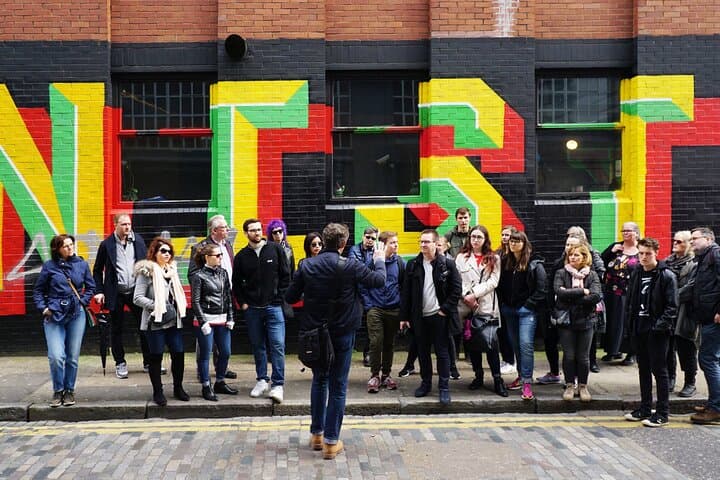
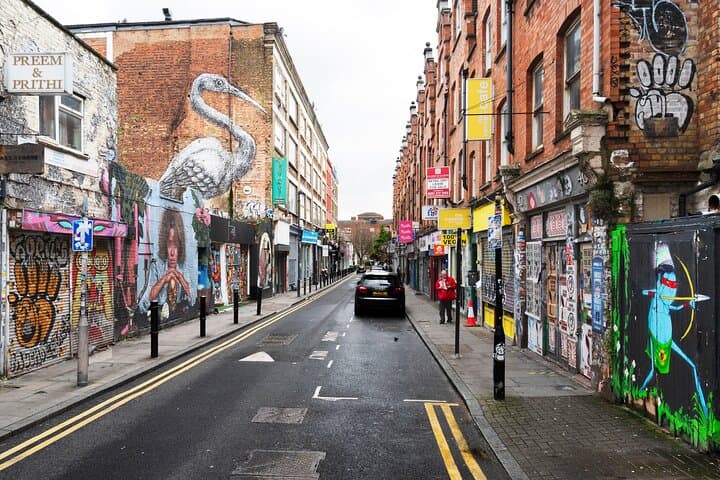
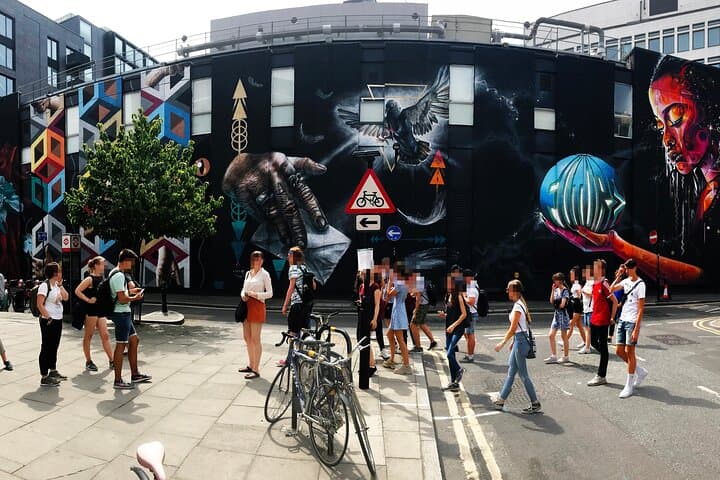
A damp morning light slides along brick arches and alleyways as you meet your guide near Shoreditch High Street. The neighbourhood smells of fresh coffee and frying spices; walls elsewhere hum with color. On a three-hour walk the guide threads you through side streets toward Brick Lane, pausing at stencils, paste-ups and three‑storey murals that change as fast as the tide.
Verified experiences and guided adventures in the surrounding area.
Operated by Shoreditch Street Art Tours · London, England
A damp morning light slides along brick arches and alleyways as you meet your guide near Shoreditch High Street. The neighbourhood smells of fresh coffee and frying spices; walls elsewhere hum with color. On a three-hour walk the guide threads you through side streets toward Brick Lane, pausing at stencils, paste-ups and three‑storey murals that change as fast as the tide.
Shoreditch sits on layered East End history: Victorian warehouses and railway viaducts repurposed into galleries and markets. The area’s built fabric — red brick, ironwork and painted hoardings — frames the street art and explains why artists have used it for two decades. The tour cuts through cultural threads: immigrant foodways on Brick Lane, the emergence of graffiti as public conversation, and the local gallery scene that now coexists with ephemeral, illegal pieces.
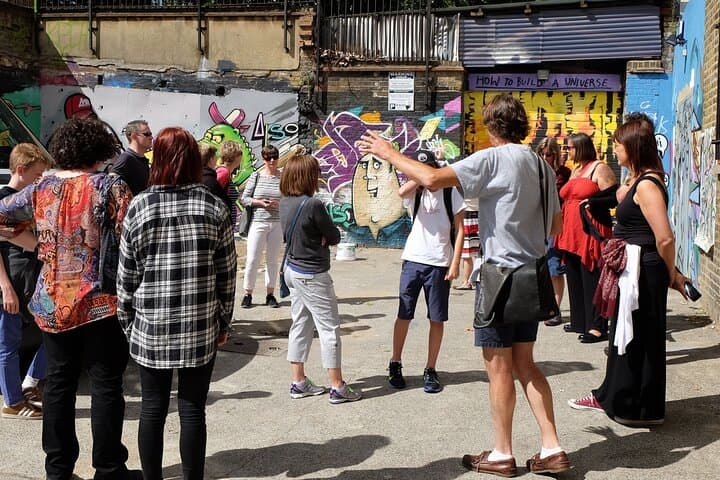
Expect close-up views and context: your guide identifies techniques (stencil, wheatpaste, mural), points out artist signatures, and explains the economics of commissioned work versus illegal tagging. The pace is urban and stop‑frequent; surfaces are mostly paved but can be uneven near market stalls.
Practical guidance: wear grippy shoes, bring a charged phone or camera, and plan to travel by Underground or bus — Shoreditch is well served. The tour is accessible for many mobility levels; check with the operator if you require step-free routes. Go early on weekends to avoid markets; keep an open mind about the temporary nature of the work and support local cafés and independent shops you’ll pass.
easy.
3 hours.
Suitable for most fitness levels; involves standing and walking on paved and cobbled streets for up to three hours.
Meeting is usually close to Shoreditch High Street/Brick Lane — the operator will confirm the exact spot in your booking email. Arrive 10 minutes early.
Yes — the tour information notes wheelchair accessibility, but guests with mobility needs should contact the operator in advance to confirm step‑free routing.
Yes, photography is allowed; be respectful of surrounding businesses and people, and avoid touching or removing artwork.
Full refunds are available if canceled at least 24 hours before the scheduled departure time; check your booking for specifics.
Shoreditch evolved from Victorian industrial yards to a creative hub; its warehouses and rail viaducts provided the canvases that drew artists in the 2000s.
Street art here is often ephemeral; treat walls respectfully, avoid defacement, and support local cafés and galleries that commission and preserve legal murals.
Shoreditch Street Art Tours operates guided outdoor trips and adventures with an emphasis on safety, stewardship, and memorable experiences.
A damp morning light slides along brick arches and alleyways as you meet your guide near Shoreditch High Street. The neighbourhood smells of fresh coffee and frying spices; walls elsewhere hum with color. On a three-hour walk the guide threads you through side streets toward Brick Lane, pausing at stencils, paste-ups and three‑storey murals that change as fast as the tide.
A damp morning light slides along brick arches and alleyways as you meet your guide near Shoreditch High Street. The neighbourhood smells of fresh coffee and frying spices; walls elsewhere hum with color. On a three-hour walk the guide threads you through side streets toward Brick Lane, pausing at stencils, paste-ups and three‑storey murals that change as fast as the tide.
Shoreditch sits on layered East End history: Victorian warehouses and railway viaducts repurposed into galleries and markets. The area’s built fabric — red brick, ironwork and painted hoardings — frames the street art and explains why artists have used it for two decades. The tour cuts through cultural threads: immigrant foodways on Brick Lane, the emergence of graffiti as public conversation, and the local gallery scene that now coexists with ephemeral, illegal pieces.
Expect close-up views and context: your guide identifies techniques (stencil, wheatpaste, mural), points out artist signatures, and explains the economics of commissioned work versus illegal tagging. The pace is urban and stop‑frequent; surfaces are mostly paved but can be uneven near market stalls.
Practical guidance: wear grippy shoes, bring a charged phone or camera, and plan to travel by Underground or bus — Shoreditch is well served. The tour is accessible for many mobility levels; check with the operator if you require step-free routes. Go early on weekends to avoid markets; keep an open mind about the temporary nature of the work and support local cafés and independent shops you’ll pass.