THE ADVENTURE COLLECTIVE® · Independent discovery and booking for outdoor travel

Walk the evolving canvases of Shoreditch and Brick Lane with a private guide. This three‑hour tour pairs art history and local stories with practical tips for photographing and navigating East London’s changing murals.
Walk the evolving canvases of Shoreditch and Brick Lane with a private guide. This three‑hour tour pairs art history and local stories with practical tips for photographing and navigating East London’s changing murals.
You step out of Shoreditch High Street and the city changes tempo: brick and corrugated iron trade in industrial grit for color, while the alleys seem to argue with each other in paint. A guide leads you through narrow lanes where a retired warehouse wall wears a new mural like a flag, and shipping containers have been pressed into pop-up galleries that invite close inspection.
Verified experiences and guided adventures in the surrounding area.
Operated by Travel Curious · London, Greater London
You step out of Shoreditch High Street and the city changes tempo: brick and corrugated iron trade in industrial grit for color, while the alleys seem to argue with each other in paint. A guide leads you through narrow lanes where a retired warehouse wall wears a new mural like a flag, and shipping containers have been pressed into pop-up galleries that invite close inspection.
East London’s street art sits on layers of history—Victorian factories, World War II rebuilding, and post‑industrial reuse—so the walls tell stories as much as they display styles. Banksy’s early interventions and the burst of international crews in the 2000s made Shoreditch and Brick Lane a global canvas; today pieces by Mr Cenz, Roa and Camille Walala appear alongside ever-evolving local tags.
Geology and urban fabric play their part: exposed brick, patched concrete and flaking plaster give murals texture and affect how pigment weathers. The area’s cultural mix—immigrant-run shops, curry houses, markets and independent cafés—creates scenes where art, commerce and community collide.
Practical notes: this private 3‑hour walk covers uneven pavements, short staircases and occasional cobbles—expect 2–3 miles of gentle walking, frequent stops for photos, and walls that can change between visits. Go early to avoid crowds and shifting light, carry a compact rain jacket and a charged phone for high-res shots, and respect private property and active works in progress. Guides will point out legal murals versus illegal tagging and suggest nearby cafés and vintage shops for after the tour.
moderate.
3 hours.
Moderate fitness; mainly walking with several standing stops and short staircases.
The tour listing notes wheelchair accessibility, but some lanes and passageways can be narrow—confirm accessibility needs when booking so the guide can plan an appropriate route.
Most tours meet near Shoreditch High Street or a nearby landmark; the guide will confirm the exact meeting point and may finish near Brick Lane for food and shopping options.
Yes—photography is encouraged, though avoid touching fresh paint and respect artists’ wishes; guides point out sensitive or private works to skip.
Full refunds are available if you cancel at least 24 hours before the scheduled departure; check the booking confirmation for details.
Shoreditch evolved from 19th-century manufacturing and wartime repair yards into a creative district after factories closed; street art became prominent in the early 2000s as artists repurposed public surfaces.
Walls are ephemeral—artists and locals monitor changes, and guides emphasize respecting property and not contributing to illegal tagging; avoid leaving litter and support nearby independent businesses.
Travel Curious operates guided outdoor trips and adventures with an emphasis on safety, stewardship, and memorable experiences.
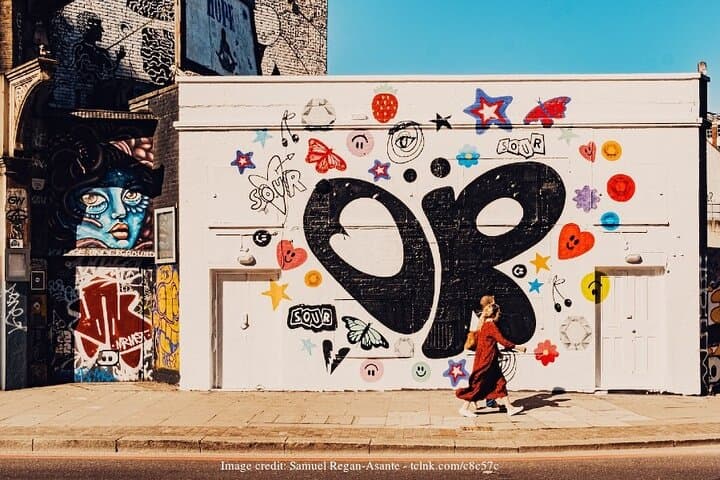
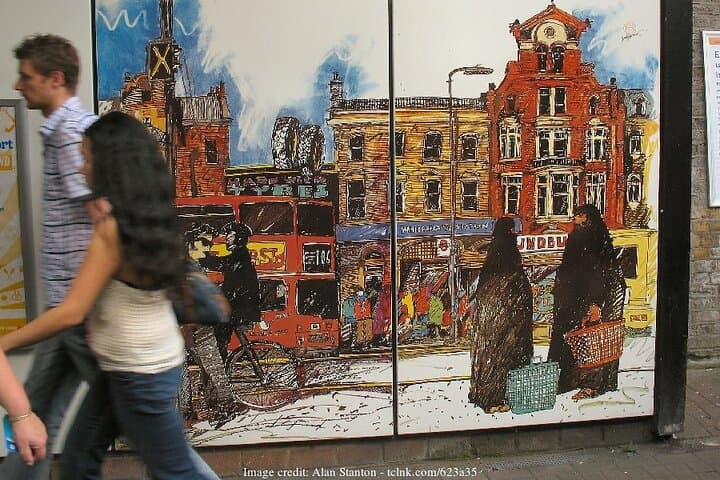
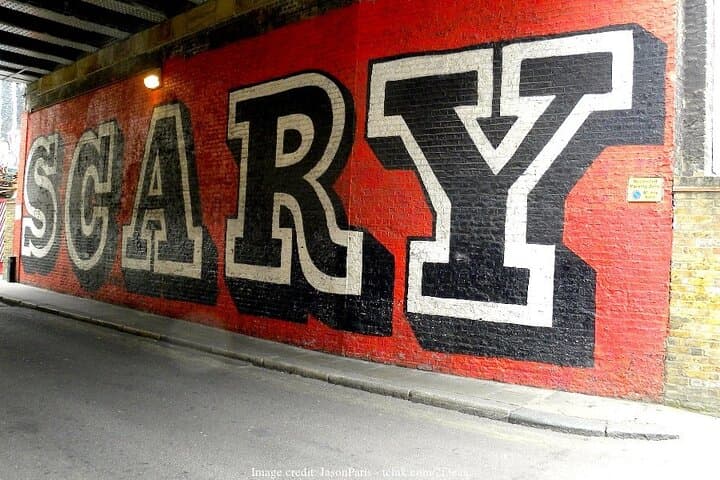
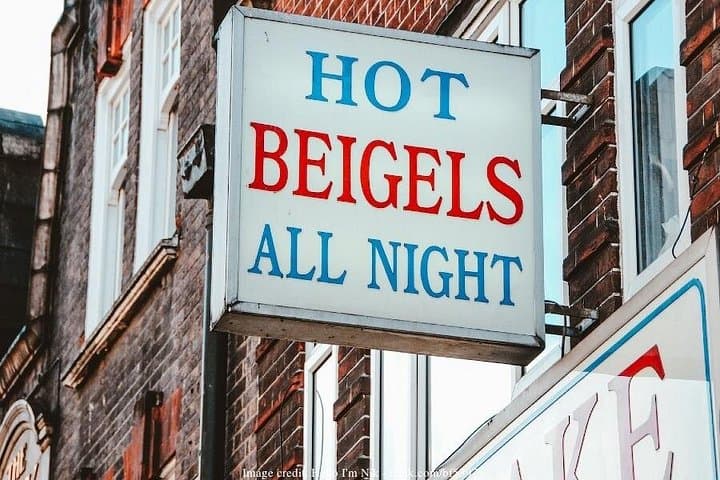
You step out of Shoreditch High Street and the city changes tempo: brick and corrugated iron trade in industrial grit for color, while the alleys seem to argue with each other in paint. A guide leads you through narrow lanes where a retired warehouse wall wears a new mural like a flag, and shipping containers have been pressed into pop-up galleries that invite close inspection.
You step out of Shoreditch High Street and the city changes tempo: brick and corrugated iron trade in industrial grit for color, while the alleys seem to argue with each other in paint. A guide leads you through narrow lanes where a retired warehouse wall wears a new mural like a flag, and shipping containers have been pressed into pop-up galleries that invite close inspection.
East London’s street art sits on layers of history—Victorian factories, World War II rebuilding, and post‑industrial reuse—so the walls tell stories as much as they display styles. Banksy’s early interventions and the burst of international crews in the 2000s made Shoreditch and Brick Lane a global canvas; today pieces by Mr Cenz, Roa and Camille Walala appear alongside ever-evolving local tags.
Geology and urban fabric play their part: exposed brick, patched concrete and flaking plaster give murals texture and affect how pigment weathers. The area’s cultural mix—immigrant-run shops, curry houses, markets and independent cafés—creates scenes where art, commerce and community collide.
Practical notes: this private 3‑hour walk covers uneven pavements, short staircases and occasional cobbles—expect 2–3 miles of gentle walking, frequent stops for photos, and walls that can change between visits. Go early to avoid crowds and shifting light, carry a compact rain jacket and a charged phone for high-res shots, and respect private property and active works in progress. Guides will point out legal murals versus illegal tagging and suggest nearby cafés and vintage shops for after the tour.