THE ADVENTURE COLLECTIVE® · Independent discovery and booking for outdoor travel

Navigate Marrakech’s ancient souks with a private guide and learn to shop like a local. This 3–4 hour walking tour covers spices, leatherwork and bargaining etiquette in the old medina.
Navigate Marrakech’s ancient souks with a private guide and learn to shop like a local. This 3–4 hour walking tour covers spices, leatherwork and bargaining etiquette in the old medina.
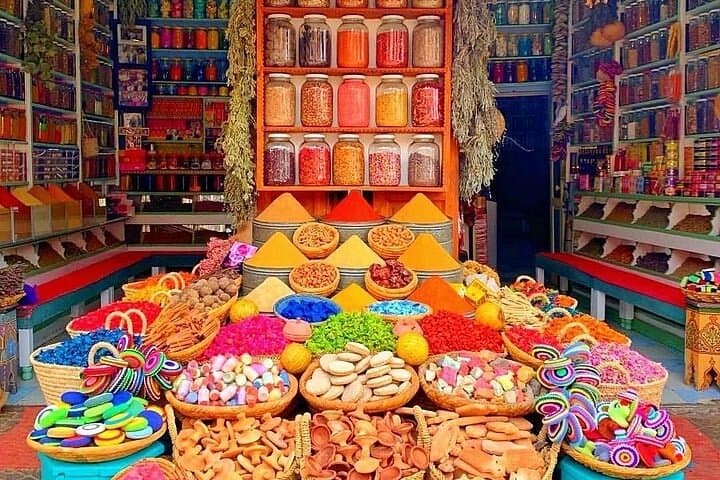
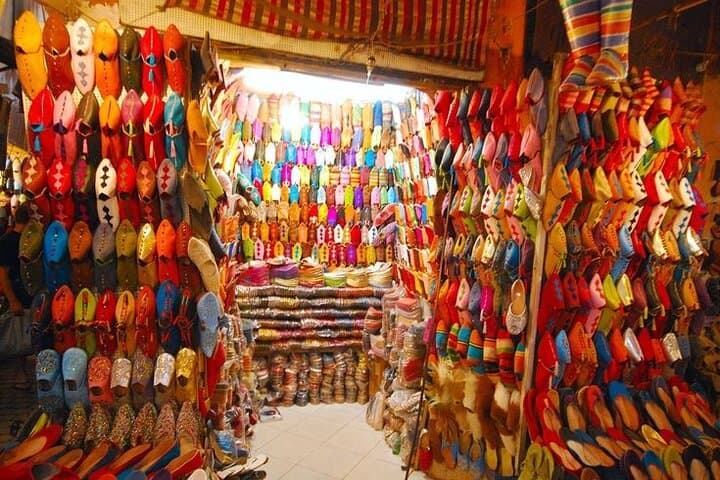
You step from the ochre-light of Marrakech's streets into a maze where voices, spices and cloth collide. A guide threads you through covered alleys, the sunlight slit by woven awnings, while cardamom, cumin and orange flower perfume the air and vendors call out in practiced rhythms.
Verified experiences and guided adventures in the surrounding area.
Operated by Musée Tiskiwin Marrakech · Marrakech, Marrakesh-Safi
You step from the ochre-light of Marrakech's streets into a maze where voices, spices and cloth collide. A guide threads you through covered alleys, the sunlight slit by woven awnings, while cardamom, cumin and orange flower perfume the air and vendors call out in practiced rhythms.
The souks grew around the old medina over centuries as caravan routes funneled goods across North Africa; today the same lanes still link leatherworkers, dyers and metal smiths. The city’s red walls are made from local clay—rammed earth and ochre pigments that echo the Atlas foothills to the south—giving the market its distinctive warm tint.
This private half-day tour balances cultural context and practical navigation: learn how bargaining works in Morocco, why mint tea signals hospitality, and how guild-based crafts evolved into family-run stalls. Expect focused stops at spice merchants, a leather workshop, and a cooperative where artisans explain techniques like hand-knotting rugs or zellij tile cutting.
Practical guidance: plan for 3–4 hours on foot in narrow, sometimes crowded lanes; wear supportive shoes and bring small-denomination Moroccan dirhams for purchases and tips. Morning and late afternoon are cooler and less frenetic; midday brings heat and heavier traffic. A local guide significantly reduces haggling stress, points out genuine workshops versus tourist stalls, and can arrange accessible routing for those who need it.
The experience is sensory, social and instructive—part walking tour, part retail education—ideal for travelers who want to shop thoughtfully, learn local craft traditions, and leave with a clearer sense of how Marrakech’s markets operate.
easy.
3–4 hours.
Suitable for most fitness levels; requires comfortable walking and standing for several hours.
Yes—transport and many market areas can be routed to be accessible, and the operator notes wheelchair-accessible options; notify on booking.
Budget depends on tastes, but set aside small purchases (5–50 MAD) for snacks and souvenirs, and 200–1,000+ MAD for higher-quality leather or textiles depending on bargaining.
Haggling is common; expect to negotiate on non-cooperative stalls—your guide can advise on fair starting offers and proper etiquette.
The tour may include authentic mint tea; other food is typically not included unless specified—bring cash for market snacks or a café break.
The Marrakech medina developed around caravan trade routes; many artisan guilds in the souk trace their craft methods back several centuries and the market culture remains rooted in family-run workshops.
Support local craftsmen by buying directly from workshops and cooperatives; minimize plastic and ask for minimal packaging to reduce waste in the medina.
Musée Tiskiwin Marrakech operates guided outdoor trips and adventures with an emphasis on safety, stewardship, and memorable experiences.

You step from the ochre-light of Marrakech's streets into a maze where voices, spices and cloth collide. A guide threads you through covered alleys, the sunlight slit by woven awnings, while cardamom, cumin and orange flower perfume the air and vendors call out in practiced rhythms.
You step from the ochre-light of Marrakech's streets into a maze where voices, spices and cloth collide. A guide threads you through covered alleys, the sunlight slit by woven awnings, while cardamom, cumin and orange flower perfume the air and vendors call out in practiced rhythms.
The souks grew around the old medina over centuries as caravan routes funneled goods across North Africa; today the same lanes still link leatherworkers, dyers and metal smiths. The city’s red walls are made from local clay—rammed earth and ochre pigments that echo the Atlas foothills to the south—giving the market its distinctive warm tint.
This private half-day tour balances cultural context and practical navigation: learn how bargaining works in Morocco, why mint tea signals hospitality, and how guild-based crafts evolved into family-run stalls. Expect focused stops at spice merchants, a leather workshop, and a cooperative where artisans explain techniques like hand-knotting rugs or zellij tile cutting.
Practical guidance: plan for 3–4 hours on foot in narrow, sometimes crowded lanes; wear supportive shoes and bring small-denomination Moroccan dirhams for purchases and tips. Morning and late afternoon are cooler and less frenetic; midday brings heat and heavier traffic. A local guide significantly reduces haggling stress, points out genuine workshops versus tourist stalls, and can arrange accessible routing for those who need it.
The experience is sensory, social and instructive—part walking tour, part retail education—ideal for travelers who want to shop thoughtfully, learn local craft traditions, and leave with a clearer sense of how Marrakech’s markets operate.