THE ADVENTURE COLLECTIVE® · Independent discovery and booking for outdoor travel

Wander three hours through Tangier’s medina with a local guide who opens hidden workshops and teaches the art of bargaining. Expect narrow alleys, artisan goods, a tea break, and practical tips for authentic shopping.
Wander three hours through Tangier’s medina with a local guide who opens hidden workshops and teaches the art of bargaining. Expect narrow alleys, artisan goods, a tea break, and practical tips for authentic shopping.
You step off the street and into an alley that narrows until sounds and smells press close: cumin, orange blossom, leather, a vendor calling the day closed to no one in particular. The medina of Tangier moves around you — alleys slope, doors open onto sunlit courtyards, and the market feels less like a place and more like a living room for a city that trades in color and craft.
Verified experiences and guided adventures in the surrounding area.
Operated by Travel With Moroccans · Tangier, Tanger-Tétouan-Al Hoceïma
You step off the street and into an alley that narrows until sounds and smells press close: cumin, orange blossom, leather, a vendor calling the day closed to no one in particular. The medina of Tangier moves around you — alleys slope, doors open onto sunlit courtyards, and the market feels less like a place and more like a living room for a city that trades in color and craft.
The souks here grew from Tangier’s strategic role between Africa and Europe; centuries of trade left visible layers — Moorish tile, Andalusian fabrics, French-era signage. Craftspeople still turn raw hides into leather, spin wool into striped blankets, and prepare spice blends that carry the coast’s salt in their sweetness. The kasbah above watches the commerce below, a reminder that this quarter has been shaped by maritime routes and a long, porous border of cultures.
This three-hour, guide-led walk gives practical access to hidden workshops and non-touristy sellers, plus a mid-tour mint tea break to regroup and strategize bargains. Expect cobbled alleys and occasional steps; many points are accessible, but the route can be uneven underfoot. Your guide will introduce artisans, explain materials, and coach you through polite bargaining.
Practical tips: carry small bills in Moroccan dirham, wear closed-toe shoes for cobbles, and leave large backpacks at your accommodation to move easily through crowds. Respect local customs when photographing people and accept that the best finds often come from conversation, not from the main thoroughfares. In three hours you’ll leave with more than purchases — you’ll carry a clearer map of how Tangier’s culture and commerce intersect.
easy.
3 hours.
Suitable for most fitness levels; requires mobility to navigate uneven cobbled streets and short stair sections
Many areas on this private route are wheelchair accessible and the operator lists accessibility options, but some alleys include cobbles or short steps—confirm specifics with the provider before booking.
Guides in Tangier commonly speak Arabic and French; many also speak English—check the tour listing for language options when booking.
Most small artisan stalls accept cash (Moroccan dirham); some larger shops may accept cards but it’s best to carry cash for bargaining and small purchases.
Tipping the guide is customary—around 10–15% of the tour price or a local-appropriate amount in dirhams; small tips to artisans for demonstrations are appreciated but not obligatory.
Tangier’s medina reflects centuries of trade and an international past where North African craft met European demand, preserving techniques in leather, textiles, and ceramics.
Support sustainability by buying directly from artisans, avoiding single-use plastics, and asking about materials—many workshops use traditional, low-impact methods.
Travel With Moroccans operates guided outdoor trips and adventures with an emphasis on safety, stewardship, and memorable experiences.
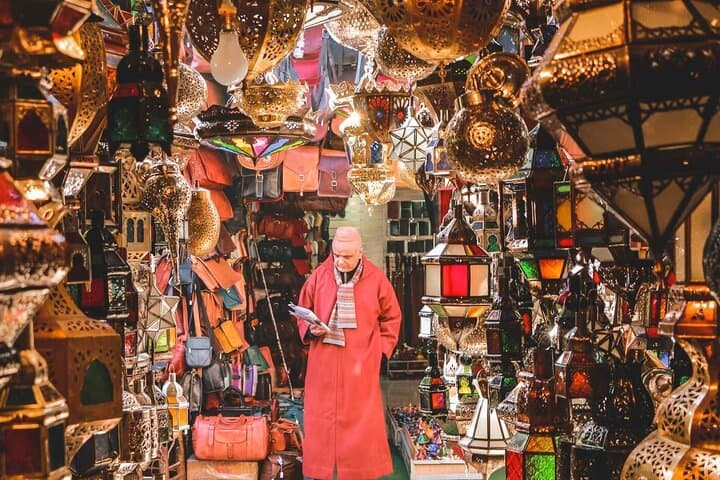
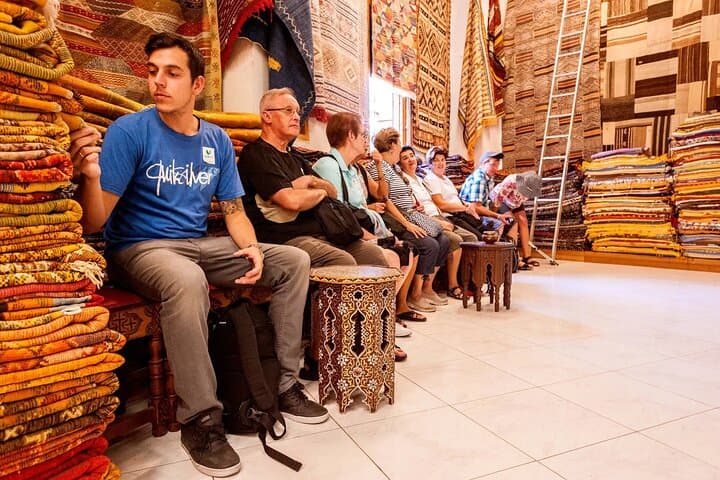
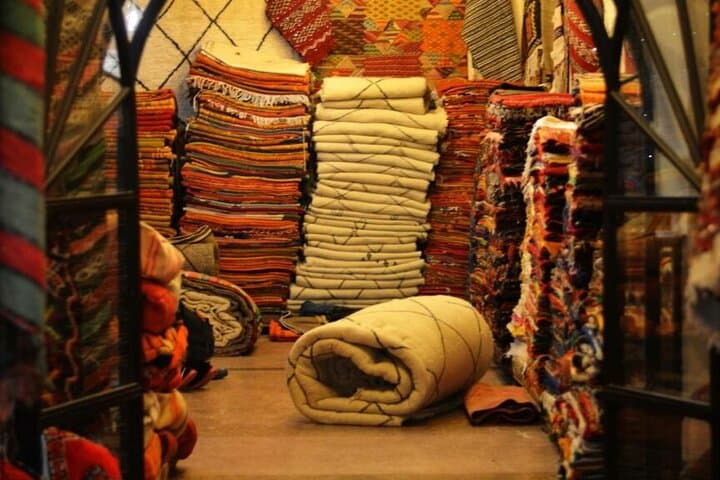
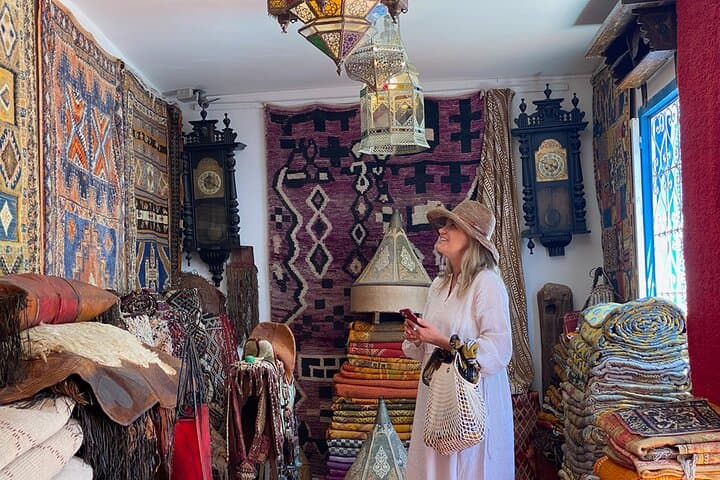
You step off the street and into an alley that narrows until sounds and smells press close: cumin, orange blossom, leather, a vendor calling the day closed to no one in particular. The medina of Tangier moves around you — alleys slope, doors open onto sunlit courtyards, and the market feels less like a place and more like a living room for a city that trades in color and craft.
You step off the street and into an alley that narrows until sounds and smells press close: cumin, orange blossom, leather, a vendor calling the day closed to no one in particular. The medina of Tangier moves around you — alleys slope, doors open onto sunlit courtyards, and the market feels less like a place and more like a living room for a city that trades in color and craft.
The souks here grew from Tangier’s strategic role between Africa and Europe; centuries of trade left visible layers — Moorish tile, Andalusian fabrics, French-era signage. Craftspeople still turn raw hides into leather, spin wool into striped blankets, and prepare spice blends that carry the coast’s salt in their sweetness. The kasbah above watches the commerce below, a reminder that this quarter has been shaped by maritime routes and a long, porous border of cultures.
This three-hour, guide-led walk gives practical access to hidden workshops and non-touristy sellers, plus a mid-tour mint tea break to regroup and strategize bargains. Expect cobbled alleys and occasional steps; many points are accessible, but the route can be uneven underfoot. Your guide will introduce artisans, explain materials, and coach you through polite bargaining.
Practical tips: carry small bills in Moroccan dirham, wear closed-toe shoes for cobbles, and leave large backpacks at your accommodation to move easily through crowds. Respect local customs when photographing people and accept that the best finds often come from conversation, not from the main thoroughfares. In three hours you’ll leave with more than purchases — you’ll carry a clearer map of how Tangier’s culture and commerce intersect.