THE ADVENTURE COLLECTIVE® · Independent discovery and booking for outdoor travel

Explore the layered history of Rozafa Castle and the lively streets of Shkodra on a private day tour. This itinerary pairs sweeping viewpoints with cultural stops like the Marubi Photo Collection, all with a dedicated car and driver.
Explore the layered history of Rozafa Castle and the lively streets of Shkodra on a private day tour. This itinerary pairs sweeping viewpoints with cultural stops like the Marubi Photo Collection, all with a dedicated car and driver.
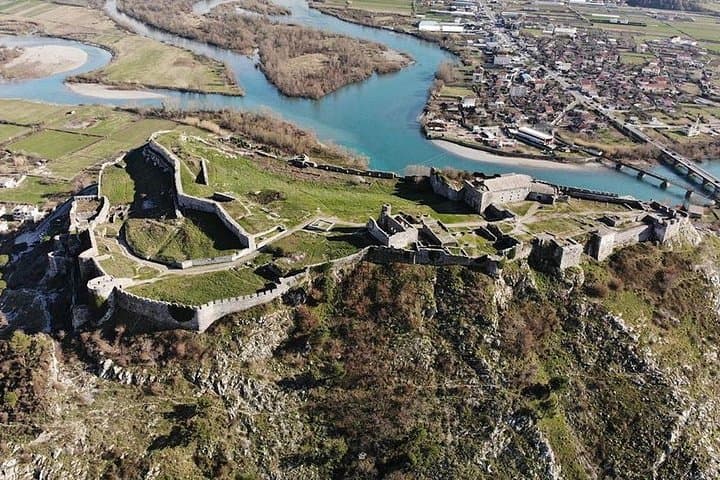
You arrive as the road unwinds from Tirana’s lowlands into green foothills, and Shkodra opens up across the valley—flat lakewater catching light, a compact city pressed against distant mountains. The first climb to Rozafa Castle gives a wide, immediate panorama: rooftops, river channels, and the sweep of Lake Shkodra below. Wind tugs at your jacket; the castle stones seem to hold the weather’s stories.
Verified experiences and guided adventures in the surrounding area.
Operated by Albanian Eagle Tours · Shkoder, Shkoder County
You arrive as the road unwinds from Tirana’s lowlands into green foothills, and Shkodra opens up across the valley—flat lakewater catching light, a compact city pressed against distant mountains. The first climb to Rozafa Castle gives a wide, immediate panorama: rooftops, river channels, and the sweep of Lake Shkodra below. Wind tugs at your jacket; the castle stones seem to hold the weather’s stories.
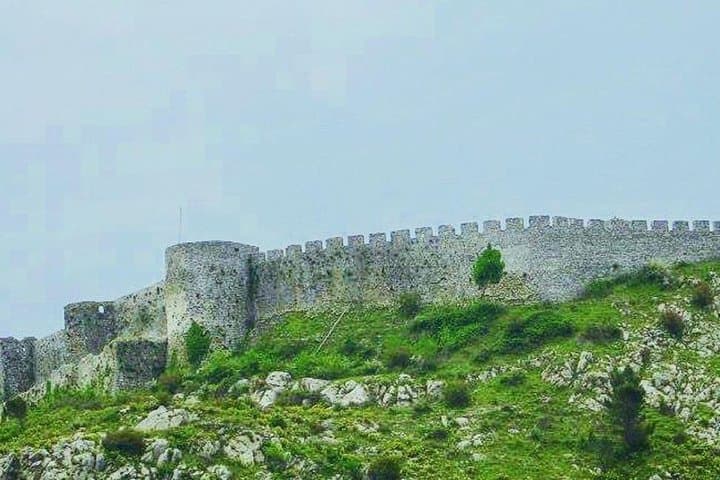
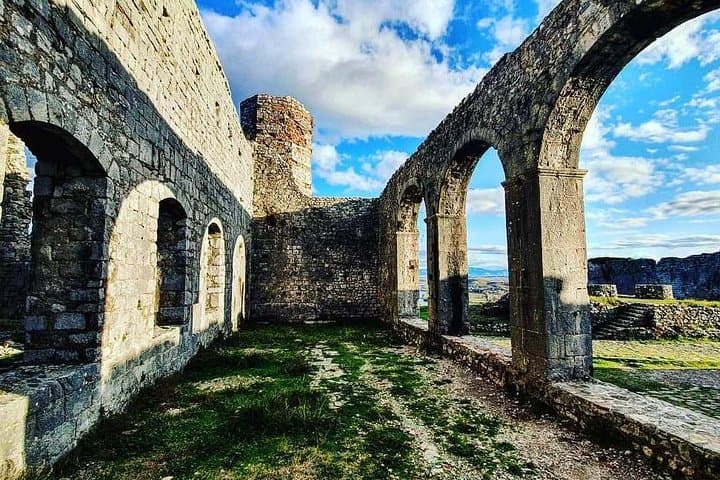
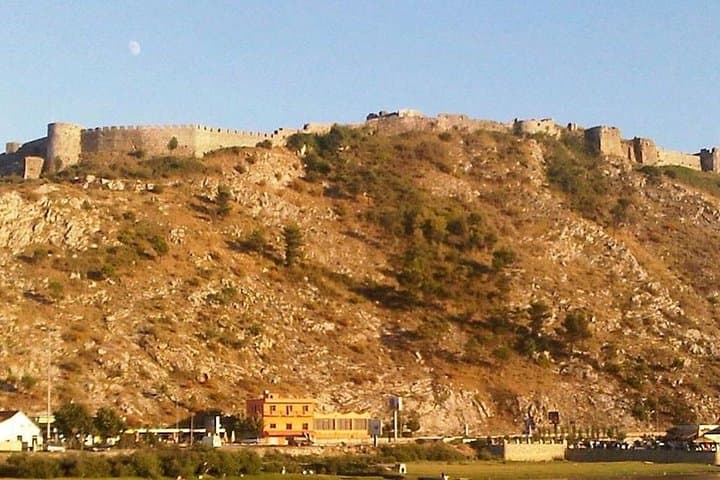
Rozafa sits on a limestone promontory that has been fortified since Illyrian times. Archaeological layers inside the fortress show Roman work, medieval rebuilding and Ottoman repairs—the walls are a palimpsest of regional conflict and cultural exchange. Shkodra itself has long been a cultural hub on the Adriatic edge, shaped by trade, photography (see the Marubi collection) and the rhythms of lake and mountain life.
On a private day tour with driver, expect a 7–10 hour rhythm: a morning drive through countryside, a focused 60–90 minute castle exploration, then a relaxed city promenade with time for coffee, local treats, and optional museum visits. The terrain at Rozafa is uneven flagstone and short steep ramps; steps are frequent but never technical. History is the focus, not a hard climb, so bring steady shoes, sun protection and a light layer for wind on the ramparts.
Plan for small fees at museums, limited signage in English at some spots, and variable midday heat in summer. A private vehicle gives flexibility to linger by the lake or detour to nearby Mes Bridge or Shiroka village. Travel lightly, stay respectful of fragile sites, and you'll leave with a clear sense of why this city has endured as a cultural crossroads.
easy.
7–10 hours.
Suitable for anyone comfortable with several hours of walking and short stair climbs; no sustained fitness required.
Admission to the castle is typically not included in the base tour price; confirm with the operator and bring payment for site fees.
This booking provides a private car and driver but not a licensed guide—your driver can handle logistics, while local guides can be arranged separately if you want in-depth historical interpretation.
Driving time from Tirana to Shkodra is roughly 1.5–2 hours each way, depending on traffic and stops chosen along the route.
Yes—routes are low-impact, but expect some stair climbing at the castle; consider mobility limitations for guests who need step-free access.
Rozafa Castle occupies a strategic limestone outcrop with layers of Illyrian, Roman, Byzantine and Ottoman construction; local legend about a sacrificial foundation stone ties the fortress to regional folklore.
Lake Shkodra’s wetlands are ecologically sensitive—avoid disturbing shoreline habitats, use marked paths, and minimize plastic waste to protect bird and fish populations.
Albanian Eagle Tours operates guided outdoor trips and adventures with an emphasis on safety, stewardship, and memorable experiences.
You arrive as the road unwinds from Tirana’s lowlands into green foothills, and Shkodra opens up across the valley—flat lakewater catching light, a compact city pressed against distant mountains. The first climb to Rozafa Castle gives a wide, immediate panorama: rooftops, river channels, and the sweep of Lake Shkodra below. Wind tugs at your jacket; the castle stones seem to hold the weather’s stories.
You arrive as the road unwinds from Tirana’s lowlands into green foothills, and Shkodra opens up across the valley—flat lakewater catching light, a compact city pressed against distant mountains. The first climb to Rozafa Castle gives a wide, immediate panorama: rooftops, river channels, and the sweep of Lake Shkodra below. Wind tugs at your jacket; the castle stones seem to hold the weather’s stories.
Rozafa sits on a limestone promontory that has been fortified since Illyrian times. Archaeological layers inside the fortress show Roman work, medieval rebuilding and Ottoman repairs—the walls are a palimpsest of regional conflict and cultural exchange. Shkodra itself has long been a cultural hub on the Adriatic edge, shaped by trade, photography (see the Marubi collection) and the rhythms of lake and mountain life.
On a private day tour with driver, expect a 7–10 hour rhythm: a morning drive through countryside, a focused 60–90 minute castle exploration, then a relaxed city promenade with time for coffee, local treats, and optional museum visits. The terrain at Rozafa is uneven flagstone and short steep ramps; steps are frequent but never technical. History is the focus, not a hard climb, so bring steady shoes, sun protection and a light layer for wind on the ramparts.
Plan for small fees at museums, limited signage in English at some spots, and variable midday heat in summer. A private vehicle gives flexibility to linger by the lake or detour to nearby Mes Bridge or Shiroka village. Travel lightly, stay respectful of fragile sites, and you'll leave with a clear sense of why this city has endured as a cultural crossroads.