THE ADVENTURE COLLECTIVE® · Independent discovery and booking for outdoor travel

A compact private tour around Shizuoka’s tea farms and viewpoints, this three-hour loop pairs a temple tea ceremony with panoramic views from Nihondaira Yume Terrace and a photogenic torii approach at Minowa Inari. Expect easy walks, short drives, and stunning Fuji-day rewards.
A compact private tour around Shizuoka’s tea farms and viewpoints, this three-hour loop pairs a temple tea ceremony with panoramic views from Nihondaira Yume Terrace and a photogenic torii approach at Minowa Inari. Expect easy walks, short drives, and stunning Fuji-day rewards.
A cool sea breeze from Suruga Bay meets the warmth of steamed tea leaves as the van climbs toward Nihondaira. You step off the vehicle into a rim of viewpoints where tea fields fan out like green waves and, on a clear day, Mount Fuji rises beyond them—sharp, patient, and unreadable.
Verified experiences and guided adventures in the surrounding area.
Operated by Shizuoka TaaS · Shizuoka, Shizuoka
A cool sea breeze from Suruga Bay meets the warmth of steamed tea leaves as the van climbs toward Nihondaira. You step off the vehicle into a rim of viewpoints where tea fields fan out like green waves and, on a clear day, Mount Fuji rises beyond them—sharp, patient, and unreadable.
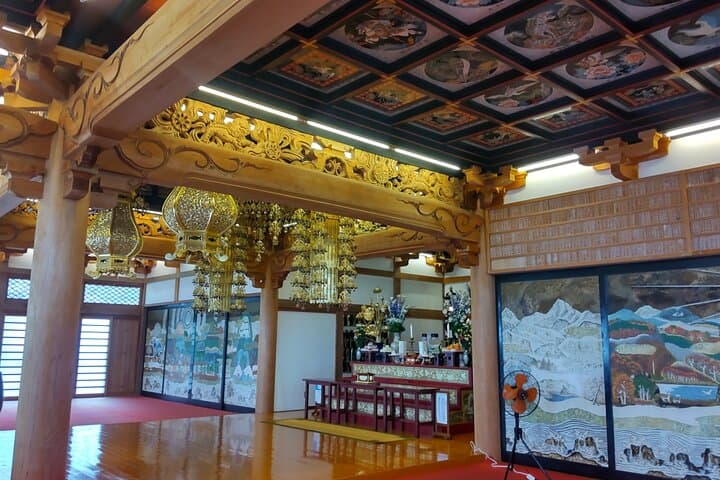
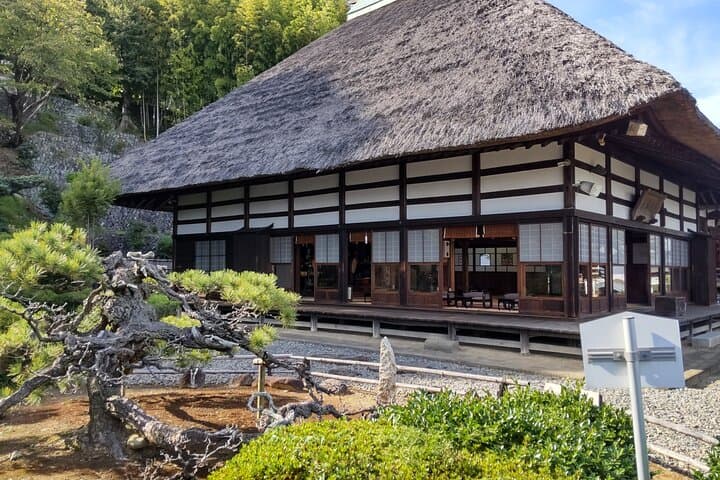
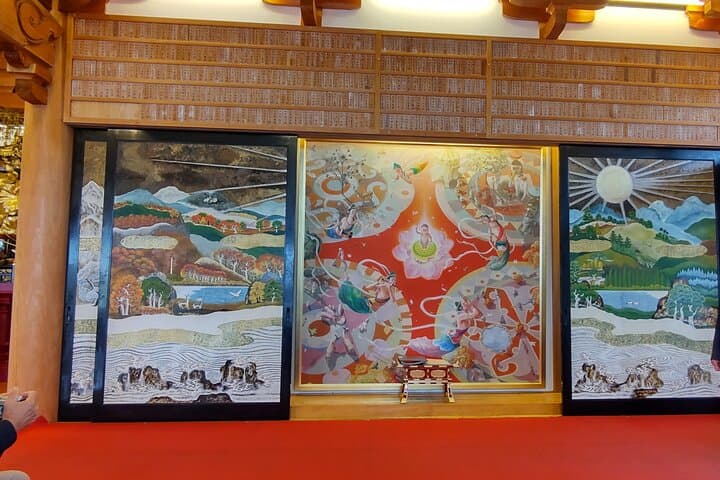
Ryuge-ji opens the tour with a compact shrine complex and Edo-period halls where painted ceilings and sliding-door art hold quiet stories of the Tokai region. The local tea house (Ocha Kaikan) sits amid plantation rows; here you can taste Shizuoka matcha while the shrubs seem to nudge you into slowing down. Nihondaira Yume Terrace, an octagonal wooden viewing pavilion by Kengo Kuma’s studio, gives a 360° vantage over Suruga Bay and the Izu Peninsula. The approach of Minowa Inari Shrine—its torii gates like a red corridor—ties the day with a local ritual focus on prosperity and family wellbeing.
Geology and culture intersect: Nihondaira’s ridge sits above deep Suruga Trough sediments, creating dramatic, abrupt slopes and long sea views that shaped trade and tea cultivation here. Expect short walks, many steps, and mostly paved trails; the tour is physically easy but sensory-rich.
Practical guidance: the tour lasts about three hours including travel; bring ~1,400 JPY cash for the optional tea-ceremony at Ryuge-ji, a camera, layered clothing, and patience for visibility-dependent Fuji views. Respect shrine etiquette—quiet, no flash photography at sacred spaces—and plan mornings for the clearest vistas.
easy.
3 hours.
Suitable for most travelers; involves short walks, steps, and standing at viewpoints—no strenuous hiking.
No—Ryuge-ji’s optional tea-ceremony and temple entrance are paid on-site (around ¥1,400 in cash).
Yes, the tour includes an English-speaking guide (informal/local guide, not a certified interpreter).
No—the itinerary notes it is not wheelchair accessible and includes steps at temple and shrine sites.
Early mornings on clear, cool days offer the best visibility; avoid hazy summer afternoons and plan for seasonal variability.
Ryuge-ji dates to the early Edo period and holds traditional painted interiors; Shizuoka’s tea culture has shaped local economy and landscape for centuries.
Stay on designated paths to protect terraced tea plots and avoid picking leaves; local farms favor careful pruning and water management to sustain long-term yields.
Shizuoka TaaS operates guided outdoor trips and adventures with an emphasis on safety, stewardship, and memorable experiences.

A cool sea breeze from Suruga Bay meets the warmth of steamed tea leaves as the van climbs toward Nihondaira. You step off the vehicle into a rim of viewpoints where tea fields fan out like green waves and, on a clear day, Mount Fuji rises beyond them—sharp, patient, and unreadable.
A cool sea breeze from Suruga Bay meets the warmth of steamed tea leaves as the van climbs toward Nihondaira. You step off the vehicle into a rim of viewpoints where tea fields fan out like green waves and, on a clear day, Mount Fuji rises beyond them—sharp, patient, and unreadable.
Ryuge-ji opens the tour with a compact shrine complex and Edo-period halls where painted ceilings and sliding-door art hold quiet stories of the Tokai region. The local tea house (Ocha Kaikan) sits amid plantation rows; here you can taste Shizuoka matcha while the shrubs seem to nudge you into slowing down. Nihondaira Yume Terrace, an octagonal wooden viewing pavilion by Kengo Kuma’s studio, gives a 360° vantage over Suruga Bay and the Izu Peninsula. The approach of Minowa Inari Shrine—its torii gates like a red corridor—ties the day with a local ritual focus on prosperity and family wellbeing.
Geology and culture intersect: Nihondaira’s ridge sits above deep Suruga Trough sediments, creating dramatic, abrupt slopes and long sea views that shaped trade and tea cultivation here. Expect short walks, many steps, and mostly paved trails; the tour is physically easy but sensory-rich.
Practical guidance: the tour lasts about three hours including travel; bring ~1,400 JPY cash for the optional tea-ceremony at Ryuge-ji, a camera, layered clothing, and patience for visibility-dependent Fuji views. Respect shrine etiquette—quiet, no flash photography at sacred spaces—and plan mornings for the clearest vistas.