THE ADVENTURE COLLECTIVE® · Independent discovery and booking for outdoor travel

Three days on camelback and under desert stars outside Jaisalmer—experience guided camel rides, wood‑fire meals, and two nights sleeping beneath the Milky Way. Practical rhythm, local stories, and quiet dunes make this an accessible overnight desert escape.
Three days on camelback and under desert stars outside Jaisalmer—experience guided camel rides, wood‑fire meals, and two nights sleeping beneath the Milky Way. Practical rhythm, local stories, and quiet dunes make this an accessible overnight desert escape.
The sun leans low and the dunes around Jaisalmer take on bronze and shadow as your jeep drops you at the desert’s shoulder. You trade the bump of paved road for the slow rhythm of a camel’s stride; wind chisels the ridgelines of sand and the sky opens, raw and enormous.
Verified experiences and guided adventures in the surrounding area.
Operated by Shiva's Desert Safari · Jaisalmer, Rajasthan
The sun leans low and the dunes around Jaisalmer take on bronze and shadow as your jeep drops you at the desert’s shoulder. You trade the bump of paved road for the slow rhythm of a camel’s stride; wind chisels the ridgelines of sand and the sky opens, raw and enormous.
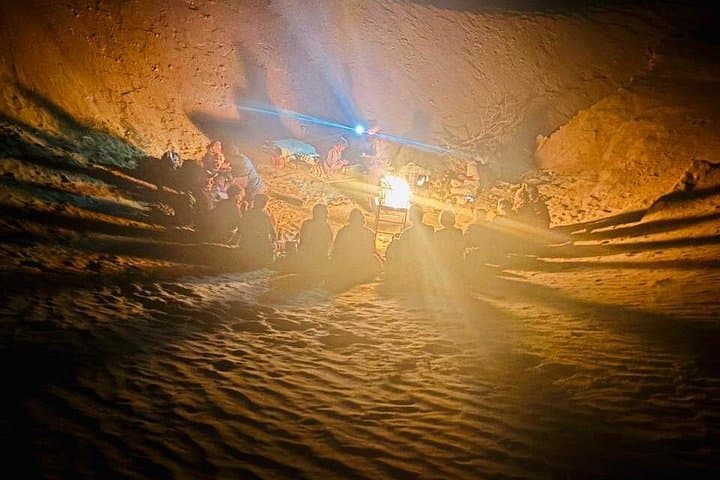
This three-day, two-night route threads through the western reaches of the Thar Desert. Geologically recent wind-sculpted dunes sit atop largely flat, low-elevation terrain (roughly 100–200 m above sea level). Historically the region was part of old caravan routes; camel men still pass on oral histories and songs that map human life to scarce water and shifting sand. Culturally the trip centers on Rajasthani hospitality: chai at sunset, wood-fired meals and campfire stories while the Milky Way brightens with little light pollution.
Expect practical rhythms: a morning 8:00 jeep transfer from Jaisalmer, roughly 60 km drive into dune country, three-hour camel rides on day one, longer exploration on day two and a final one-hour ride back to the jeep on day three, arriving Jaisalmer around 11:00. Wildlife sightings are discreet—lizards, chinkara and desert birds more likely than large mammals. Nights are cold relative to daytime heat, and sand drives the schedule: sunrise and sunset are the best photo windows.
Bring layered clothing, sun protection, and a refillable water bottle; sleep is usually on beds laid out in the open or simple camp setups. Carry passport copies for bookings and be prepared for basic facilities. The trip rewards slow attention: the sound of a camel’s foot, a cup of masala chai, and a sky that keeps you awake with stars.
easy.
2–3 days.
Suitable for travelers in average fitness; requires ability to mount/dismount camels and tolerate long jeep transfers
Camel rides are gentle but require balance and willingness to mount/dismount—rides last several hours broken by rest stops and lunches.
Facilities are basic at desert camps; some guesthouses in Jaisalmer allow you to shower after return—ask your operator about access.
Bring a warm layer, a small sleeping liner or lightweight sleeping bag if you prefer extra warmth, and a headlamp for camp tasks.
The tour is marketed as suitable for most fitness levels but is not recommended for people with severe back problems or pregnant travelers; children should be supervised by adults.
The Thar was a crossroads of caravan trade; many camel handlers still preserve oral songs and crafts tied to trans‑desert life.
The region is ecologically fragile—stay on established routes, leave no trace, and avoid disturbing wildlife or local water sources.
Shiva's Desert Safari operates guided outdoor trips and adventures with an emphasis on safety, stewardship, and memorable experiences.
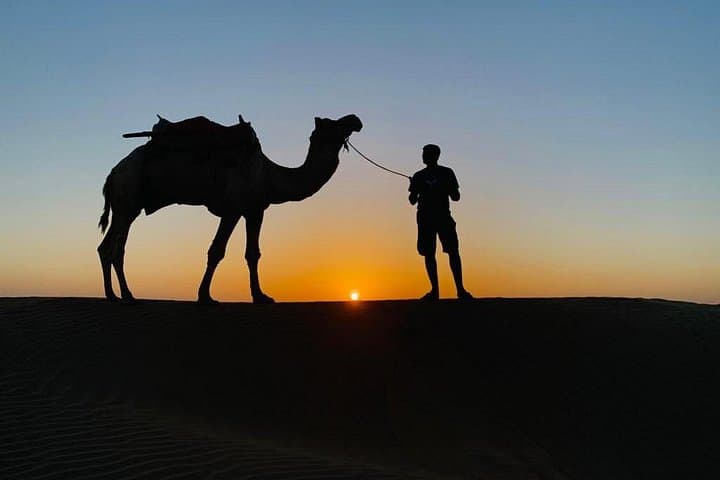
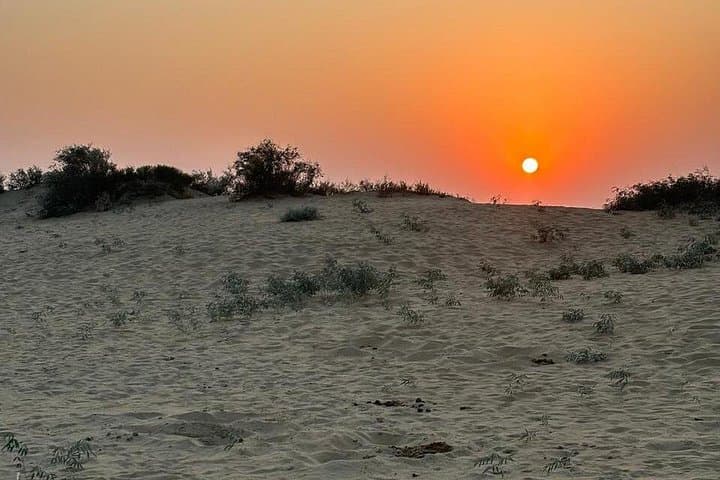
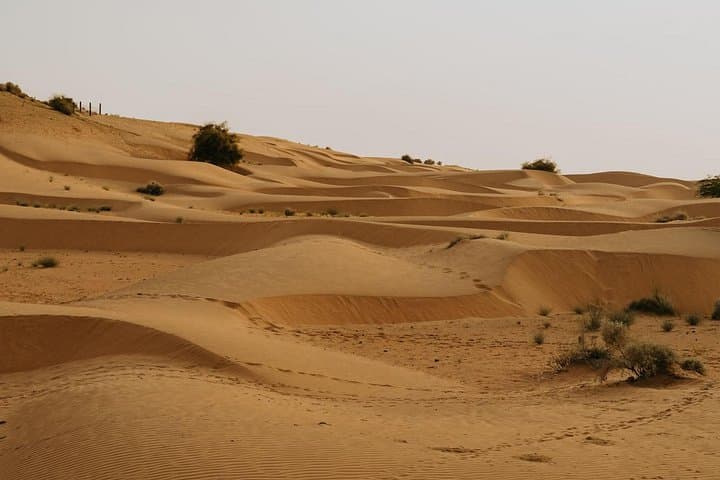
The sun leans low and the dunes around Jaisalmer take on bronze and shadow as your jeep drops you at the desert’s shoulder. You trade the bump of paved road for the slow rhythm of a camel’s stride; wind chisels the ridgelines of sand and the sky opens, raw and enormous.
The sun leans low and the dunes around Jaisalmer take on bronze and shadow as your jeep drops you at the desert’s shoulder. You trade the bump of paved road for the slow rhythm of a camel’s stride; wind chisels the ridgelines of sand and the sky opens, raw and enormous.
This three-day, two-night route threads through the western reaches of the Thar Desert. Geologically recent wind-sculpted dunes sit atop largely flat, low-elevation terrain (roughly 100–200 m above sea level). Historically the region was part of old caravan routes; camel men still pass on oral histories and songs that map human life to scarce water and shifting sand. Culturally the trip centers on Rajasthani hospitality: chai at sunset, wood-fired meals and campfire stories while the Milky Way brightens with little light pollution.
Expect practical rhythms: a morning 8:00 jeep transfer from Jaisalmer, roughly 60 km drive into dune country, three-hour camel rides on day one, longer exploration on day two and a final one-hour ride back to the jeep on day three, arriving Jaisalmer around 11:00. Wildlife sightings are discreet—lizards, chinkara and desert birds more likely than large mammals. Nights are cold relative to daytime heat, and sand drives the schedule: sunrise and sunset are the best photo windows.
Bring layered clothing, sun protection, and a refillable water bottle; sleep is usually on beds laid out in the open or simple camp setups. Carry passport copies for bookings and be prepared for basic facilities. The trip rewards slow attention: the sound of a camel’s foot, a cup of masala chai, and a sky that keeps you awake with stars.